
Reinstating After Uninsured Suspension With Vehicle Impounded
Get My Reinstatement SR-22 QuoteWhy the impound and suspension are separate problems
The state suspended your license because you drove without insurance. The police or sheriff impounded your vehicle because you were driving on a suspended license, or because the uninsured violation itself triggered an immediate impound under local ordinance. These are parallel enforcement actions with different resolution paths.
Your license reinstatement requires SR-22 proof-of-insurance filing, payment of a reinstatement fee (typically $50 to $250 depending on state), and often a hard suspension waiting period before you can apply. Your vehicle release requires impound lot fees (storage accrues daily, often $30 to $75/day), towing fees ($150 to $400), proof of ownership, and in most states proof of current insurance on that specific vehicle.
The critical insight: most states do not require you to own or insure a specific vehicle to reinstate your license. You can file SR-22 under a non-owner policy, satisfy the state's reinstatement requirements, and get your license back while the impounded vehicle sits in the lot or is sold for scrap. The impound is a separate financial problem you can solve later or not at all.
What non-owner SR-22 actually covers and why the state accepts it
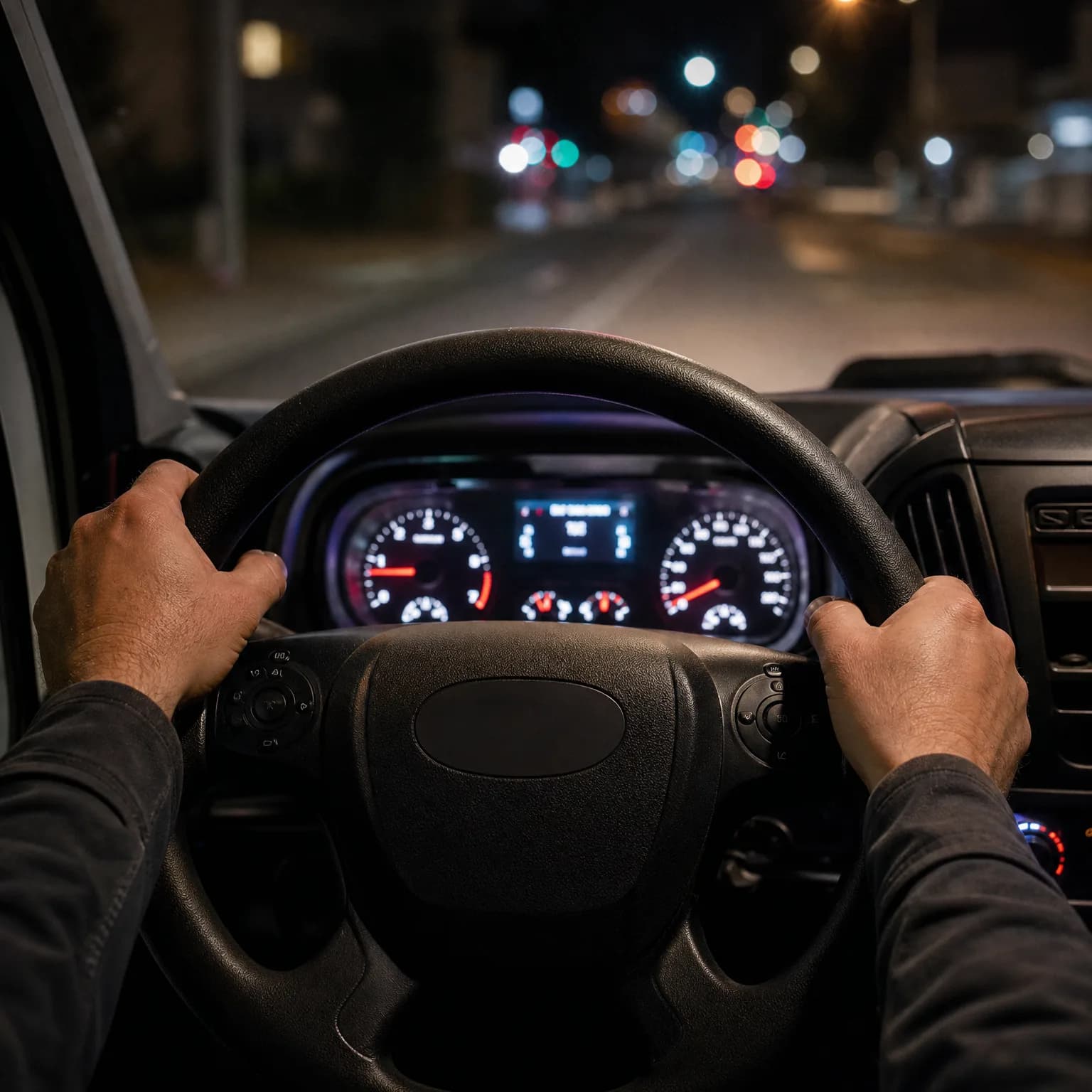
A non-owner SR-22 policy provides liability coverage when you drive a vehicle you do not own. It does not cover a specific car; it follows you as a driver. The SR-22 certificate attached to that policy proves to the state that you carry the minimum required liability limits continuously.
The state's reinstatement requirement is proof of financial responsibility, not proof of vehicle ownership. When your SR-22 certificate lands at the DMV or state insurance verification unit, the filing satisfies the reinstatement condition whether the underlying policy is standard auto, high-risk auto, or non-owner. The policy type does not appear on the certificate.
Non-owner policies cost substantially less than standard policies because they exclude collision, comprehensive, and the vehicle-specific risk factors that drive premiums. Expect $25 to $60/month for non-owner SR-22 in most states after an uninsured suspension, compared to $140 to $250/month for a standard SR-22 policy on an owned vehicle. The coverage is narrower, but the reinstatement value is identical.

The reinstatement sequence when you do not own a car
Call a carrier or broker that writes non-owner SR-22 policies in your state. Not all carriers offer this product; start with Bristol West, The General, or a local high-risk specialist. Request a non-owner policy with SR-22 filing. The carrier will file the SR-22 certificate electronically with your state DMV within 24 to 48 hours in most states.
Wait for the state to process the SR-22 filing. Processing takes 3 to 10 business days depending on state workload and whether the filing is electronic or paper. Some states show filing status online; others require a phone call to the reinstatement unit.
Pay your reinstatement fee and any outstanding fines or administrative fees tied to the suspension. The state will not lift the suspension until all financial obligations are cleared, even if the SR-22 is on file. Reinstatement fees range from $50 in states like Iowa to $250 in California.
If your state imposes a hard suspension period for uninsured driving (common range: 30 to 90 days for first offense, 6 months to 1 year for repeat offense), the clock starts from the suspension effective date, not from the date you file SR-22. You cannot accelerate this waiting period by filing early, but filing early ensures you are eligible to reinstate the moment the hard suspension lifts.
Whether you should retrieve the impounded vehicle at all
Run the financial comparison before deciding. Impound storage fees accrue daily from the date of impound. If your car has been sitting for two weeks at $50/day, you owe $700 in storage plus the initial tow ($200 to $400). Add proof-of-insurance requirements: most impound lots require current insurance on the specific VIN before release, which means buying a standard policy on a car you may not want.
If the vehicle's market value is less than total impound fees plus the cost of insuring it for the SR-22 filing period, abandon the vehicle and file non-owner SR-22 instead. The impound lot will eventually auction the car to recover fees. You walk away from the debt in most states (verify local statute—some jurisdictions pursue impound debt as a civil judgment).
If the vehicle is worth retrieving, you must purchase a standard SR-22 policy on that VIN, pay all impound fees, and provide proof of ownership and insurance to the lot operator before release. This approach makes sense only when the car's value exceeds total recovery cost by a comfortable margin or when you need that specific vehicle immediately for work.

Fix the Lapse That Cost You Your License
Get My Reinstatement SR-22 Quote
How long you must maintain the non-owner SR-22 policy
SR-22 filing duration after an uninsured suspension varies by state. Most states require 1 to 3 years of continuous coverage. California, Texas, and Florida typically require 3 years. Illinois and Michigan require 3 years for repeat offenses, sometimes 1 year for first offense. A handful of states require 5 years for aggravated uninsured violations or accidents while uninsured.
The filing period clock starts the day the SR-22 certificate is processed by the state, not the day you purchase the policy. If your policy lapses for any reason during the filing period—missed payment, voluntary cancellation, carrier non-renewal without replacement—the carrier must notify the state within 10 to 30 days depending on state law. The state will re-suspend your license immediately and in many states reset the filing period clock to zero.
You can switch carriers during the filing period as long as there is no coverage gap. The new carrier files a new SR-22 certificate; the old carrier files an SR-26 cancellation notice. As long as the new filing is processed before the old policy terminates, the state sees continuous coverage and the clock keeps running.

What happens if you buy a car later during the SR-22 filing period
When you purchase a vehicle while carrying a non-owner SR-22 policy, call your carrier immediately. You cannot drive the newly purchased car under a non-owner policy—non-owner coverage excludes vehicles owned by the named insured or registered household members.
Your carrier will convert your non-owner policy to a standard auto policy covering the new vehicle, or you will need to purchase a new standard policy from a different carrier. The new policy must include SR-22 filing. Your carrier will file an updated SR-22 certificate reflecting the vehicle change. The state filing period continues uninterrupted as long as there is no gap in SR-22 coverage.
Expect your premium to increase substantially when you add a vehicle. Non-owner policies cost $25 to $60/month; standard SR-22 policies on an owned vehicle typically cost $140 to $250/month after an uninsured suspension, depending on the vehicle, your age, and your state. The increase reflects the addition of collision risk, comprehensive risk, and the vehicle's specific rating factors.
Why some states close the hardship license option entirely for uninsured-cause drivers
New Jersey, Pennsylvania, and Washington prohibit hardship or occupational licenses for drivers suspended due to uninsured driving or insurance lapse. State statute in these jurisdictions treats financial responsibility violations as categorical bars to restricted driving privileges during the suspension period.
If you live in one of these three states and your suspension is uninsured-cause, you have no hardship pathway. Your only option is to wait out the full hard suspension period, file SR-22, pay reinstatement fees, and apply for full license reinstatement. Some drivers relocate temporarily to stay with family in a different state to avoid the employment consequences, but this does not shorten the suspension—the home state's suspension follows you and most states will not issue a new license while another state shows an active suspension.
In states where hardship licenses are available to uninsured-cause drivers (most states outside NJ, PA, WA), eligibility rules vary. Some states require a waiting period before you can apply (30 to 90 days into the suspension). Some restrict approved purposes to employment and medical appointments only. All require proof of SR-22 filing and payment of application fees before issuing the restricted license.
Frequently Asked Questions
Can I get my license back without getting my impounded car back?
Yes, in most states. You can file SR-22 under a non-owner policy, pay your reinstatement fee, satisfy any hard suspension waiting period, and reinstate your license without retrieving the impounded vehicle. The state requires proof of financial responsibility, not proof of vehicle ownership.
How much does non-owner SR-22 insurance cost after an uninsured suspension?
Typically $25 to $60 per month in most states, compared to $140 to $250/month for a standard SR-22 policy on an owned vehicle. Non-owner policies cost less because they exclude collision, comprehensive, and vehicle-specific risk factors.
What happens if I let my non-owner SR-22 policy lapse during the filing period?
The carrier notifies the state within 10 to 30 days. The state re-suspends your license immediately, and in many states the SR-22 filing period clock resets to zero. You must purchase a new policy, file a new SR-22 certificate, and potentially restart the entire filing period.
Do impound lots require insurance before they release my car?
Yes, most impound facilities require proof of current insurance on the specific vehicle VIN before release, along with proof of ownership and payment of all towing and storage fees. You cannot use a non-owner policy to retrieve an impounded vehicle you own.
Can I switch from non-owner SR-22 to a standard policy if I buy a car later?
Yes. Contact your carrier when you purchase a vehicle. They will convert your policy to a standard auto policy or you will buy a new standard policy with SR-22 filing from another carrier. The SR-22 filing period continues as long as there is no coverage gap.
How long does SR-22 filing last after an uninsured suspension?
Typically 1 to 3 years depending on your state. California, Texas, and Florida require 3 years. Some states require 5 years for repeat uninsured violations or accidents while uninsured. The clock starts when the state processes your SR-22 certificate.
Which states do not allow hardship licenses for uninsured-cause suspensions?
New Jersey, Pennsylvania, and Washington prohibit hardship or occupational licenses for drivers suspended due to uninsured driving or insurance lapse. In these states you must wait out the full suspension period before applying for reinstatement.
Related Articles

Non-Owner SR-22 After Vehicle Impound for No Insurance
5/17/2026
Reinstate With No Car: Non-Owner SR-22 After Suspension
5/17/2026

Non-Owner SR-22 Illinois Uninsured Suspension No Car
5/17/2026
Insurance Compliance After Uninsured Suspension
5/17/2026

Non-Owner SR-22 After Uninsured Suspension Explained
5/17/2026
Non-Owner SR-22 After Selling Your Car | No Vehicle Required
5/17/2026