
Reinstatement Blocked by Unpaid Fees After Uninsured Suspension
Get My Reinstatement SR-22 QuoteWhy Your Reinstatement Is Blocked Even Though You Filed SR-22
You completed your suspension period. You secured SR-22 insurance. You paid the reinstatement fee at the DMV. The clerk still denied your license because unpaid fines from the original uninsured driving citation appear in the system.
Most states operate separate accounting systems for traffic court fines, DMV administrative fees, and license reinstatement charges. Paying the reinstatement fee does not satisfy the underlying ticket fine. The original citation for driving without insurance typically carries its own penalty, often $300 to $1,500 depending on the state and whether it was a first or repeat offense. That fine was assessed by the court, not the DMV.
Until the court marks the citation as paid in full, the DMV's system flags your record as ineligible for reinstatement. The SR-22 filing proves insurance. The reinstatement fee covers administrative processing. Neither clears the underlying citation debt. You must resolve all three separately before the reinstatement office will release your license.
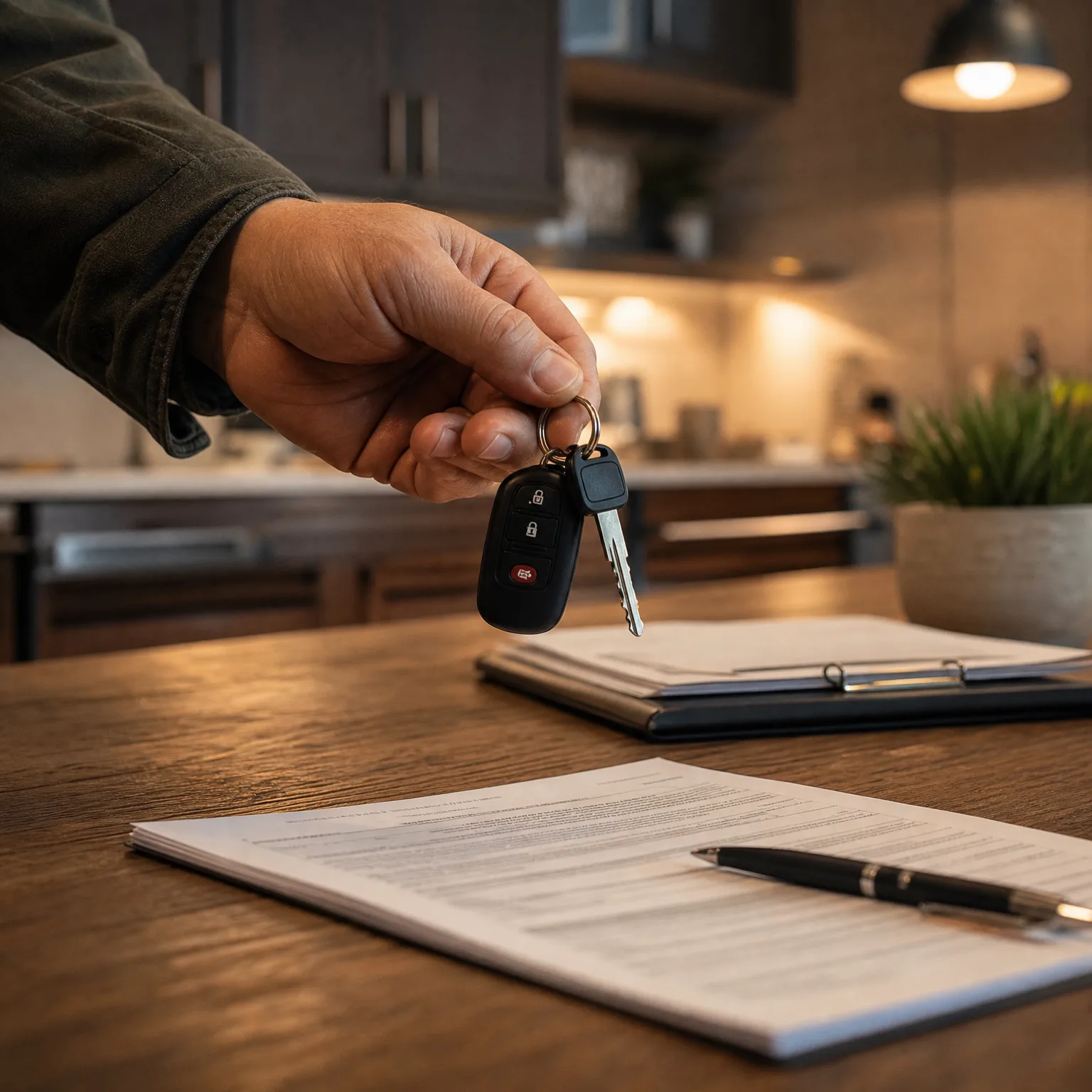
The Fee Stack: What You Actually Owe Before Reinstatement
The total cost to clear a blocked reinstatement after an uninsured suspension includes the original traffic citation fine, court costs, the state's administrative reinstatement fee, and the SR-22 filing fee charged by your insurer.
Traffic citation fines for driving without insurance range from $150 in states with minimal first-offense penalties to $1,500 in states with aggressive uninsured motorist enforcement. Court costs add another $50 to $200 depending on the jurisdiction. The DMV reinstatement fee typically runs $50 to $250. The SR-22 filing fee charged by your insurance carrier is usually $15 to $50, though some states do not permit separate filing fees.
If you missed the court date for the original citation, an additional failure-to-appear fine may be stacked on top. Some states add late payment penalties if the ticket fine goes unpaid beyond the court's payment deadline. The total owed can easily exceed $2,000 before the DMV will process reinstatement. Many drivers assume the reinstatement fee covers everything and are surprised when the clerk blocks them for unpaid court debt.


How to Identify What Is Blocking Your Reinstatement
Request a complete driving record abstract from your state DMV. Most states offer online access through the licensing portal. The abstract shows active suspensions, holds, and outstanding obligations linked to your driver's license number.
Look for entries labeled "financial responsibility hold," "citation unpaid," "court debt," or similar flags. The abstract does not always list exact dollar amounts owed, but it will reference the citation number and issuing court. Note the citation number and the court name.
Contact the court directly using the citation number from your abstract. Court clerks can pull your case file and provide a current balance including fines, court costs, and any late fees. Ask whether payment plans are available if you cannot pay the full amount immediately. Some courts allow installment agreements, but the DMV will not lift the reinstatement hold until the court confirms the debt is satisfied or the payment plan is approved and current.

Fix the Lapse That Cost You Your License
Get My Reinstatement SR-22 QuoteThe Payment Sequence That Actually Works
Pay the traffic court citation first. Obtain a receipt showing the case number, payment amount, and zero balance. Courts typically update their records within 2 to 5 business days, but the update to the DMV's system can take an additional 7 to 14 days depending on the state's inter-agency data sync schedule.
Once the court confirms payment and the hold is lifted in the DMV system, pay the reinstatement fee. Some states require in-person payment at a DMV office or licensing bureau. Others accept online payment through the state's driver services portal. Confirm the SR-22 filing is already on file with the state before you pay the reinstatement fee. The DMV cannot process reinstatement until the SR-22 appears in their system, even if you already paid for the policy.
After paying the reinstatement fee, allow 3 to 7 business days for processing. Some states issue a temporary driving permit immediately upon reinstatement. Others mail the permanent license within 10 to 14 days. Do not drive until the DMV confirms reinstatement is complete and you have proof of valid insurance in the vehicle.

What Happens If You Can't Pay the Full Amount Now
Most traffic courts offer payment plans for fines exceeding $500. Contact the court clerk's office and request an installment agreement. The court will typically require a down payment of 10% to 25% of the total balance, then allow monthly payments over 3 to 12 months.
The DMV reinstatement hold remains in place until the payment plan is approved and current. Some states lift the hold once the payment plan is formalized and the first payment clears. Others require the full balance to be paid before reinstatement is permitted. Ask the court clerk explicitly whether a payment plan will satisfy the DMV hold or whether full payment is required for license reinstatement.
If your state allows hardship license eligibility for uninsured-cause suspensions, you may be able to obtain restricted driving privileges while making payments. Not all states permit hardship licenses for insurance-lapse suspensions. New Jersey, Pennsylvania, and Washington close hardship programs to uninsured-cause drivers entirely. Check your state's specific eligibility rules before assuming restricted driving is available during the payment period.

Insurance Requirements During and After Blocked Reinstatement
You must maintain continuous SR-22 insurance coverage from the date the state requires filing through the end of the mandated filing period, even if your reinstatement is blocked by unpaid fees. Allowing the SR-22 policy to lapse during this period triggers a new suspension in most states and resets the filing clock.
SR-22 filing periods for uninsured driving suspensions typically range from 1 to 3 years depending on the state and whether this is a first or repeat offense. The filing period starts when the SR-22 is submitted to the state, not when reinstatement is granted. If you let the policy lapse before reinstatement is processed, the state issues a new suspension notice, and you must start over with a new SR-22 filing and a new suspension period.
If you do not currently own a vehicle, non-owner SR-22 insurance satisfies the state's filing requirement. Non-owner policies provide liability coverage when you drive a vehicle you do not own. Premiums for non-owner SR-22 are typically $30 to $70 per month, significantly lower than standard auto policies with SR-22 filing. Once reinstatement is complete and you purchase a vehicle, you must transfer the SR-22 to a standard auto policy covering that vehicle.
Frequently Asked Questions
Can I get my license back if I still owe money on the original ticket?
No. Most states will not process reinstatement until the traffic court confirms the citation is paid in full or enrolled in an approved payment plan. The DMV's system flags unpaid court debt as a reinstatement hold. Paying the reinstatement fee alone does not clear the citation.
How long does it take for the court payment to show up in the DMV system?
Courts typically update their records within 2 to 5 business days after receiving payment. The update to the DMV's system can take an additional 7 to 14 days depending on the state's inter-agency data sync schedule. Confirm the hold is lifted before paying the reinstatement fee to avoid processing delays.
What happens if I let my SR-22 lapse while waiting to pay off the ticket?
The state issues a new suspension notice and resets the SR-22 filing period. You must obtain a new SR-22 certificate and serve the new suspension period from the beginning. Continuous coverage is required from the date the state mandates filing through the end of the filing period, regardless of reinstatement status.
Can I get a hardship license while I'm paying off the ticket on a payment plan?
It depends on your state. Some states allow hardship licenses for uninsured-cause suspensions once a payment plan is approved. New Jersey, Pennsylvania, and Washington do not permit hardship licenses for insurance-lapse suspensions at all. Contact your state's licensing office to confirm eligibility before applying.
Does non-owner SR-22 insurance satisfy the filing requirement if I don't have a car?
Yes. Non-owner SR-22 provides liability coverage when you drive a vehicle you do not own and satisfies the state's proof-of-financial-responsibility requirement. Premiums typically run $30 to $70 per month, lower than standard auto policies with SR-22 filing. Once you purchase a vehicle, transfer the SR-22 to a standard policy covering that vehicle.
Will paying the reinstatement fee automatically clear the unpaid ticket?
No. The reinstatement fee and the traffic citation fine are processed by separate agencies. The reinstatement fee covers DMV administrative costs. The citation fine was assessed by the court and must be paid to the court directly. Neither payment clears the other.
Related Articles

Insurance Compliance After Uninsured Suspension
5/17/2026

How to File SR-22 After Uninsured Suspension
5/17/2026
Hidden Costs of Uninsured Suspension: Fees & Premiums
5/17/2026
Full 3-Year SR-22 Cost Stack After Uninsured Suspension
5/17/2026

Reinstatement Fee Stack After Insurance Lapse by State
5/17/2026

Uninsured Suspension Reinstatement Costs Breakdown
5/17/2026