
Reinstatement After Uninsured Suspension: Application-to-License Wait
Get My Reinstatement SR-22 QuoteWhat Happens Between Reinstatement Application and License Receipt
You submit your reinstatement application, pay the fee, and receive a confirmation number or receipt. Your license is not reinstated yet. Most state DMV systems process reinstatement applications in 7 to 14 business days from the date all requirements are satisfied, including proof of SR-22 filing, payment of reinstatement fees, and completion of any court-ordered programs. Processing time begins when the DMV receives all documents, not when you mail them.
Your driving privilege is not legally restored until the DMV updates your record and issues a valid license. In most states, you cannot legally drive on a confirmation number, receipt, or pending application status. Some states mail a new physical license automatically after reinstatement. Others require you to visit a DMV office to have a new license card printed. Until you hold that card or receive explicit written confirmation that your privilege is restored, you are still driving under suspension if you get behind the wheel.
This gap creates a planning problem for drivers who need to work, attend school, or meet other obligations immediately after applying for reinstatement. The application window is predictable. The approval and issuance window is not. Budget at least two weeks from application to legal driving authority in most states.
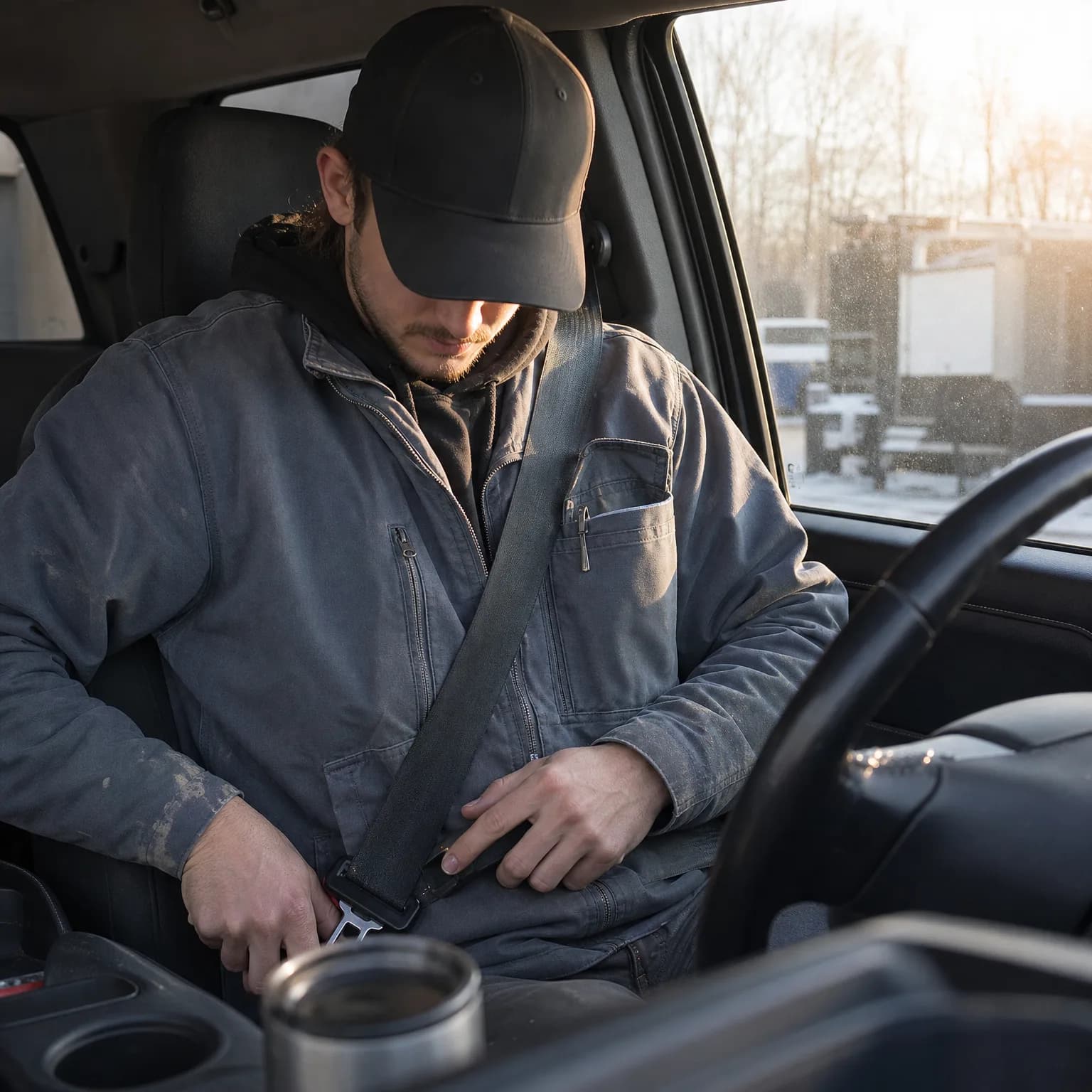
Why Driving on a Confirmation Number Triggers a New Charge
A confirmation number proves you submitted an application. It does not prove your driving privilege was restored. If you are stopped during the processing window and your record still shows suspended status, the officer will cite you for driving under suspension. The citation is valid even if your reinstatement was approved internally but not yet reflected in the roadside lookup system.
Most states update their enforcement databases within 24 to 48 hours of approving a reinstatement, but license card issuance lags further behind. Officers check the real-time enforcement database during traffic stops, not your paper receipt. If the database shows suspended, you will be cited. Contesting the citation later by showing your application date or confirmation number rarely succeeds because the legal standard is the status of your privilege at the moment you were driving, not your intent to comply.
The new charge compounds your situation. Driving under suspension while a prior suspension is still active carries higher fines, longer suspension extensions, and in some states mandatory jail time for repeat offenses. The confirmation number does not create a safe harbor.


How Long Between Application Approval and License Card Issuance
Processing time and issuance time are separate. After the DMV approves your reinstatement, most states mail a new license card within 7 to 10 business days. A few states issue cards on-site if you apply in person at a DMV office, but many now require you to wait for mail delivery even if you apply in person. Add processing time and mail time together to estimate the total wait.
If you applied by mail, expect 10 to 21 days total from the date the DMV receives your complete application to the date you receive your new card. If you applied in person and the state issues cards on-site, expect 7 to 14 days for processing before you are cleared to visit the office for card pickup. Check your state DMV website for current issuance procedures. Some states moved to centralized card production after security upgrades and no longer issue cards at local offices.
You cannot expedite this timeline in most states. Reinstatement applications do not qualify for rush processing. Plan your work schedule, childcare, and other obligations around the two-week minimum wait.

Fix the Lapse That Cost You Your License
Get My Reinstatement SR-22 QuoteTemporary Permits and Interim Driving Authority
A small number of states issue temporary driving permits valid for 30 to 60 days while your permanent license card is produced. These permits are printed on-site at the DMV office after your reinstatement is approved. If your state offers this option, it eliminates the gap between approval and legal driving authority. Most states do not offer temporary permits for reinstatement cases, only for new applicants or renewals.
If you need interim driving authority immediately after reinstatement and your state does not issue temporary permits, your only option is a restricted or hardship license filed before reinstatement. Hardship licenses allow limited driving for work, school, and medical purposes during the suspension period. Approval timelines for hardship licenses vary widely by state, from 7 days to 90 days depending on court dockets and DMV processing backlogs. Hardship eligibility for uninsured-cause suspensions is closed entirely in New Jersey, Pennsylvania, and Washington.
Do not assume a hardship license will bridge the gap. Apply for hardship driving authority early in your suspension period, not the week you plan to apply for full reinstatement.

What to Do While Waiting for Your License Card
Use public transportation, rideshare services, or arrange rides with licensed drivers. Driving during the wait period is illegal and expensive. A new driving-under-suspension charge will extend your suspension by 90 days to 12 months depending on your state and prior offense count. It will also trigger a new SR-22 filing requirement in states where the original uninsured suspension did not require SR-22, or extend your existing SR-22 filing period in states where it did.
If you must drive for work, apply for a hardship license before you submit your reinstatement application. Hardship licenses remain valid during the reinstatement processing window in most states. Once your full license is reinstated, the hardship license expires automatically. This sequence keeps you legal throughout the entire process.
If you already submitted your reinstatement application and did not apply for hardship driving authority, wait for the card. Two weeks of inconvenience costs less than a new suspension.

How to Confirm Your License Is Reinstated Before the Card Arrives
Call your state DMV's automated license status line or check the online driver record lookup tool. Most states update these systems within 24 to 48 hours of approving a reinstatement. If the automated system shows your status as valid or clear, your driving privilege is legally restored even if you have not received the physical card yet. Print or screenshot the status confirmation and carry it with you when driving.
Some states explicitly authorize driving on a valid status confirmation while waiting for the card. Others require the physical card in your possession. Check your state's DMV website or call the reinstatement unit to confirm the rule. If the physical card is required and you are stopped without it, you may be cited for failure to carry a license, which is a separate infraction from driving under suspension but still results in a fine.
If the automated system still shows suspended status more than 14 business days after you submitted your complete application, call the DMV reinstatement unit directly. Missing documents, unpaid fees, or incorrect SR-22 filing details are the most common causes of processing delays.
Frequently Asked Questions
Can I drive with a reinstatement confirmation number while waiting for my license?
No. A confirmation number proves you submitted an application, not that your driving privilege was restored. If you are stopped and the enforcement database still shows suspended status, you will be cited for driving under suspension even if your reinstatement was approved internally.
How long does it take to get my license back after I apply for reinstatement?
Most states process reinstatement applications in 7 to 14 business days, then mail a new license card within another 7 to 10 days. Total wait time from application to card receipt is typically 10 to 21 days depending on mail speed and whether you applied in person or by mail.
Does every state mail a new license after reinstatement?
Most states mail a new license card automatically or require you to visit a DMV office for on-site issuance after approval. A few states issue temporary permits valid for 30 to 60 days while your permanent card is produced, but this option is not available in most states for reinstatement cases.
What happens if I get stopped before my license card arrives?
If the DMV's enforcement database still shows your license as suspended, you will be cited for driving under suspension. The citation is valid even if your reinstatement was approved but not yet reflected in the system. Officers check the real-time database, not your paper receipt.
Can I check my license status online before the card arrives?
Yes. Most states update their automated license status line and online driver record lookup within 24 to 48 hours of approving a reinstatement. If the system shows your status as valid, your privilege is legally restored in most states even if the physical card has not arrived yet.
Will a hardship license let me drive while waiting for reinstatement?
Yes, if you apply for the hardship license before or during your suspension period and your state allows hardship driving for uninsured-cause suspensions. Hardship licenses remain valid during the reinstatement processing window in most states. New Jersey, Pennsylvania, and Washington do not allow hardship licenses for uninsured-cause drivers.
Related Articles

When to Apply for Reinstatement After Uninsured Suspension
5/17/2026

Steps After Insurance Lapse Suspension Notice
5/17/2026
Reinstatement Documents After Insurance Lapse
5/17/2026

Week 1 After Uninsured Suspension: Cut Reinstate Time
5/17/2026

30 Days Into Uninsured Suspension: Reinstatement Path
5/17/2026

Reinstating After Uninsured Suspension: Step Sequence
5/17/2026