
Non-Owner SR-22 vs Standard SR-22 After Insurance Lapse Suspension
Get My Reinstatement SR-22 QuoteWhy Your Vehicle Ownership Status Changes the SR-22 Filing Type
SR-22 is not a policy. It is a certificate of financial responsibility your insurer files electronically with your state's DMV on your behalf. The filing itself comes in two forms: owner SR-22 (attached to a standard auto policy covering a specific vehicle you own or regularly drive) and non-owner SR-22 (attached to a non-owner liability policy covering you as a driver across any vehicle you operate, with no specific VIN listed).
Most states process these filings identically once submitted, but the insurer must select the correct form code at transmission. If you sold your car after the suspension, moved to public transit, or never owned a vehicle when cited for driving uninsured, a standard owner SR-22 attached to a friend's policy or a vehicle you no longer possess will be rejected by the state system. The rejection notice arrives 10 to 20 days after filing in most states, restarting your reinstatement timeline from zero.
The distinction matters because reinstatement departments verify the VIN listed on an owner SR-22 matches current vehicle registration records tied to your license number. A non-owner SR-22 bypasses VIN verification entirely and clears faster in processing queues. If you do not own a car and file owner SR-22 anyway, your state sees a mismatch and flags the submission as incomplete.

What Non-Owner SR-22 Actually Covers After a Lapse Suspension
A non-owner SR-22 policy provides liability coverage when you drive a vehicle you do not own: borrowed cars, rental vehicles, employer-owned vehicles for personal errands, or cars owned by household members if you are explicitly excluded from their policy. Coverage follows you, not a specific vehicle. Minimum limits match your state's liability requirements—typically $25,000 bodily injury per person, $50,000 per accident, and $25,000 property damage in states with 25/50/25 structures.
Non-owner SR-22 does not cover collision damage to the vehicle you are driving, comprehensive losses, or any physical damage. It does not cover vehicles you own, lease, or have regular access to as a listed driver. If you buy a car during the SR-22 filing period, you must notify your insurer within 30 days and convert to an owner policy with owner SR-22, or your filing will lapse and trigger a new suspension.
Cost runs $300 to $600 annually for the non-owner policy itself, plus a one-time SR-22 filing fee of $15 to $50 depending on the carrier and state. This is 40% to 60% cheaper than insuring an owned vehicle with SR-22 after an uninsured-driving suspension, because the insurer assumes lower risk when you do not have daily access to a specific car.

When Standard Owner SR-22 Is Required Even If You Sold the Car
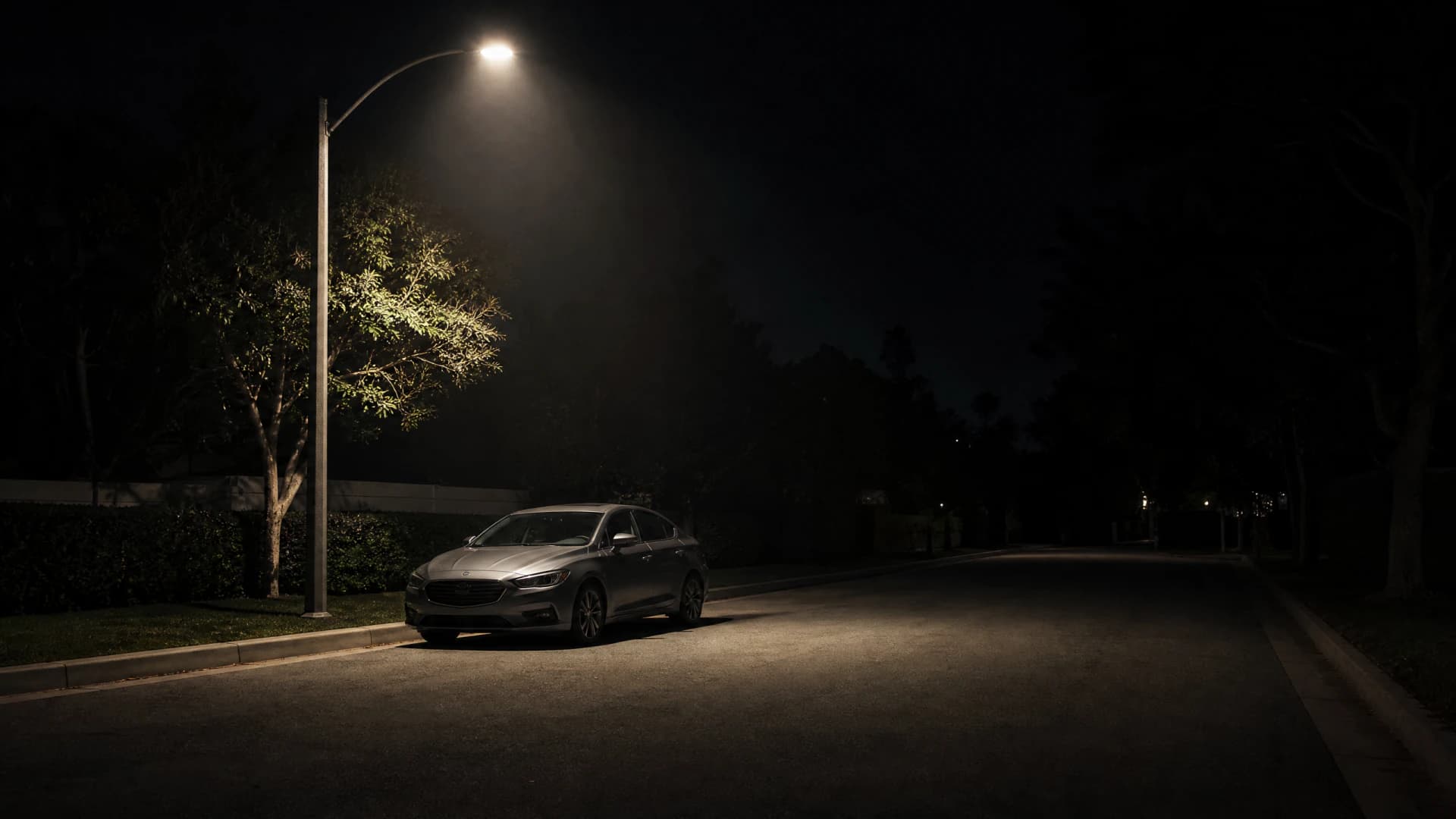
If your state's DMV records show a vehicle registered in your name at any point during the suspension period, most reinstatement departments will not accept a non-owner SR-22 filing. The system expects owner SR-22 tied to that VIN, even if you no longer possess the car. You must either surrender the registration officially through your state's vehicle services division or register the car in someone else's name before the non-owner filing will clear.
California, Texas, and Florida enforce this strictly. If the vehicle shows active registration under your license number, the SR-22 filing is rejected as incomplete regardless of actual possession. The workaround: file a Planned Non-Operation (PNO) notice in California, a vehicle transfer affidavit in Texas, or a registration cancellation in Florida before submitting the non-owner SR-22. Processing these cancellations takes 5 to 15 business days, delaying reinstatement further.
Some drivers attempt to add themselves as a listed driver on a family member's policy and file owner SR-22 through that vehicle. This works only if you live at the same address and the primary policyholder agrees to the rate increase. The SR-22 filing will list that vehicle's VIN, and any lapse on the family member's policy triggers your suspension again. Non-owner SR-22 avoids this dependency entirely.

Fix the Lapse That Cost You Your License
Get My Reinstatement SR-22 QuoteHow Filing Duration and Lapse Penalties Differ Between the Two Types
SR-22 filing duration is set by state law based on the violation that caused the suspension, not the type of SR-22 filed. Uninsured-driving suspensions typically require 1 to 3 years of continuous SR-22 filing, measured from the date your state receives the first compliant filing. Both owner and non-owner SR-22 satisfy this requirement equally, as long as the policy remains active and paid.
The difference appears when the policy lapses. If a non-owner SR-22 policy cancels for non-payment, the insurer notifies the state within 10 days, your license is re-suspended immediately, and the filing clock resets to day zero. You lose credit for all months already filed. Owner SR-22 policies have the same lapse consequence, but they also trigger vehicle registration suspension in 38 states, compounding the reinstatement cost.
Re-lapsing during the SR-22 period after an uninsured suspension adds a second-offense penalty in Arizona, Michigan, and Virginia: the filing period extends from 3 years to 5 years automatically. Non-owner SR-22 does not protect you from this extension, but it does eliminate the risk of forgetting to renew because the vehicle was sold and you assumed the requirement disappeared.

State-Specific Restrictions on Non-Owner SR-22 After Uninsured Suspensions
New Jersey, Pennsylvania, and Washington do not offer restricted or hardship driving privileges to drivers suspended for uninsured operation. In these states, SR-22 filing is part of full reinstatement only, not an interim step. Non-owner SR-22 is available and accepted, but it does not unlock driving privileges during the hard suspension period. You file the SR-22, pay the reinstatement fee, and wait out the suspension term before the license is restored.
North Carolina requires non-owner SR-22 filers to submit proof of vehicle disposal if DMV records show a registered vehicle under the suspended driver's name within the past 12 months. Acceptable proof includes a bill of sale, junkyard receipt, or insurance cancellation notice showing the vehicle was totaled. Without this documentation, the non-owner SR-22 filing is held in pending status indefinitely.
Florida allows non-owner SR-22 only if the driver explicitly states in a signed affidavit submitted with the reinstatement application that they do not own, lease, or have regular access to any vehicle. If the state later discovers vehicle ownership or registration activity during the filing period, the SR-22 filing is voided retroactively and the suspension is reinstated with added penalties.

How to Choose the Right Filing Type and Avoid Rejection
If you currently own a vehicle, have a car registered in your name, or live with someone whose car you drive regularly, you need owner SR-22 attached to a standard auto liability policy covering that specific vehicle. The policy must list you as a named insured or listed driver, and the SR-22 filing must reference the vehicle's VIN.
If you do not own a vehicle, have no car registered in your name, do not live with a vehicle owner, and will only drive borrowed or rental cars occasionally, you need non-owner SR-22 attached to a non-owner liability policy. Confirm with your state's reinstatement department that no vehicle registration conflicts exist in their system before purchasing the policy. If a conflict exists, resolve it first by canceling or transferring the registration, then file the non-owner SR-22.
Carriers that write non-owner SR-22 widely include Progressive, The General, Acceptance Insurance, Bristol West, Dairyland, and National General. Not all carriers offer non-owner policies in all states—availability is narrowest in no-fault states like Michigan and New York. Request the SR-22 filing at the time you bind the policy, not afterward. Adding SR-22 to an existing non-owner policy can trigger a new effective date, restarting your filing clock.
Frequently Asked Questions
Can I switch from owner SR-22 to non-owner SR-22 mid-filing if I sell my car?
Yes, but you must notify your insurer immediately and request the switch before the owner policy cancels. If the owner SR-22 lapses before the non-owner SR-22 is filed, the state sees a gap and re-suspends your license. Most states allow same-day filing transfers if the insurer processes both cancellations and new filings on the same business day.
Does non-owner SR-22 cost more than owner SR-22 because it is high-risk?
No. Non-owner SR-22 policies cost 40% to 60% less than owner SR-22 policies because the insurer assumes lower risk when you do not have daily access to a vehicle. Annual premiums for non-owner SR-22 after an uninsured suspension typically run $300 to $600, compared to $900 to $2,400 for owner SR-22 covering an owned vehicle.
What happens if I file non-owner SR-22 but then buy a car during the filing period?
You must notify your insurer within 30 days of purchasing or registering the vehicle and convert to an owner SR-22 policy covering that car. If you do not notify the insurer and the state discovers the vehicle registration, your SR-22 filing is voided and your license is re-suspended. The filing period clock does not reset if the conversion happens without a coverage gap.
Will my state accept non-owner SR-22 if I live with someone who owns a car?
It depends. If you are listed as a driver on the household member's policy, most states require owner SR-22 filed through that vehicle. If you are explicitly excluded from their policy in writing, non-owner SR-22 is accepted in most states. Confirm exclusion documentation with your state's reinstatement department before filing.
Can I use the same non-owner SR-22 policy in multiple states if I move?
No. SR-22 filings are state-specific and tied to the state that issued your license and imposed the suspension. If you move to a new state and transfer your license, you must cancel the old SR-22 and file a new one in the new state through an insurer licensed there. The filing period does not transfer—check whether your new state recognizes time already served under the original SR-22.
Does non-owner SR-22 cover rental cars if I am suspended and reinstated?
Yes, once your license is reinstated and the SR-22 filing is active. Non-owner liability policies cover rental vehicles as long as you rent under your own name and the rental is for personal use, not business. Rental companies may still refuse to rent to drivers with recent suspensions, regardless of insurance coverage.
How long does it take for a non-owner SR-22 filing to clear with the state after purchase?
Most states process SR-22 filings electronically within 1 to 3 business days. Non-owner SR-22 filings clear slightly faster in some states because they skip VIN verification steps. Confirm filing receipt by checking your state's online reinstatement portal or calling the DMV directly 5 business days after purchase.
Related Articles
Non-Owner SR-22 After Vehicle Impound for No Insurance
5/17/2026

Reinstate With No Car: Non-Owner SR-22 After Suspension
5/17/2026
Non-Owner SR-22 After Selling Your Car | No Vehicle Required
5/17/2026

Non-Owner SR-22 Filing Period After Uninsured Suspension
5/17/2026

Non-Owner SR-22 After Uninsured Suspension Guide
5/17/2026
Non-Owner SR-22 for Drivers Who Never Owned a Car
5/17/2026