
Non-Owner SR-22 in Wisconsin After Uninsured Suspension Without a Car
Get My Reinstatement SR-22 QuoteWhy Wisconsin Requires SR-22 After an Uninsured Suspension Even When You Sold Your Car
Wisconsin suspended your license because you were caught driving without insurance, had a lapse the state detected through its electronic verification system, or had an accident while uninsured. The suspension is active now. Your car may have been impounded, sold to pay fines, or you simply stopped owning one after the suspension hit.
Wisconsin still requires SR-22 proof of financial responsibility before reinstatement under Wis. Stat. § 344.62–344.65. The SR-22 filing is not tied to a specific vehicle—it's tied to you as a driver. The state's position: you demonstrated financial irresponsibility by driving uninsured, so you must now prove continuous coverage for a set filing period, typically 3 years in Wisconsin for uninsured-cause suspensions.
Standard auto insurance policies require you to list a vehicle you own. If you don't own a car, carriers won't issue a standard policy. Non-owner SR-22 insurance fills this procedural gap. It provides liability coverage when you drive vehicles you don't own—borrowed cars, rental vehicles, employer vehicles for personal errands—and attaches the SR-22 certificate Wisconsin's DMV requires to process your reinstatement.
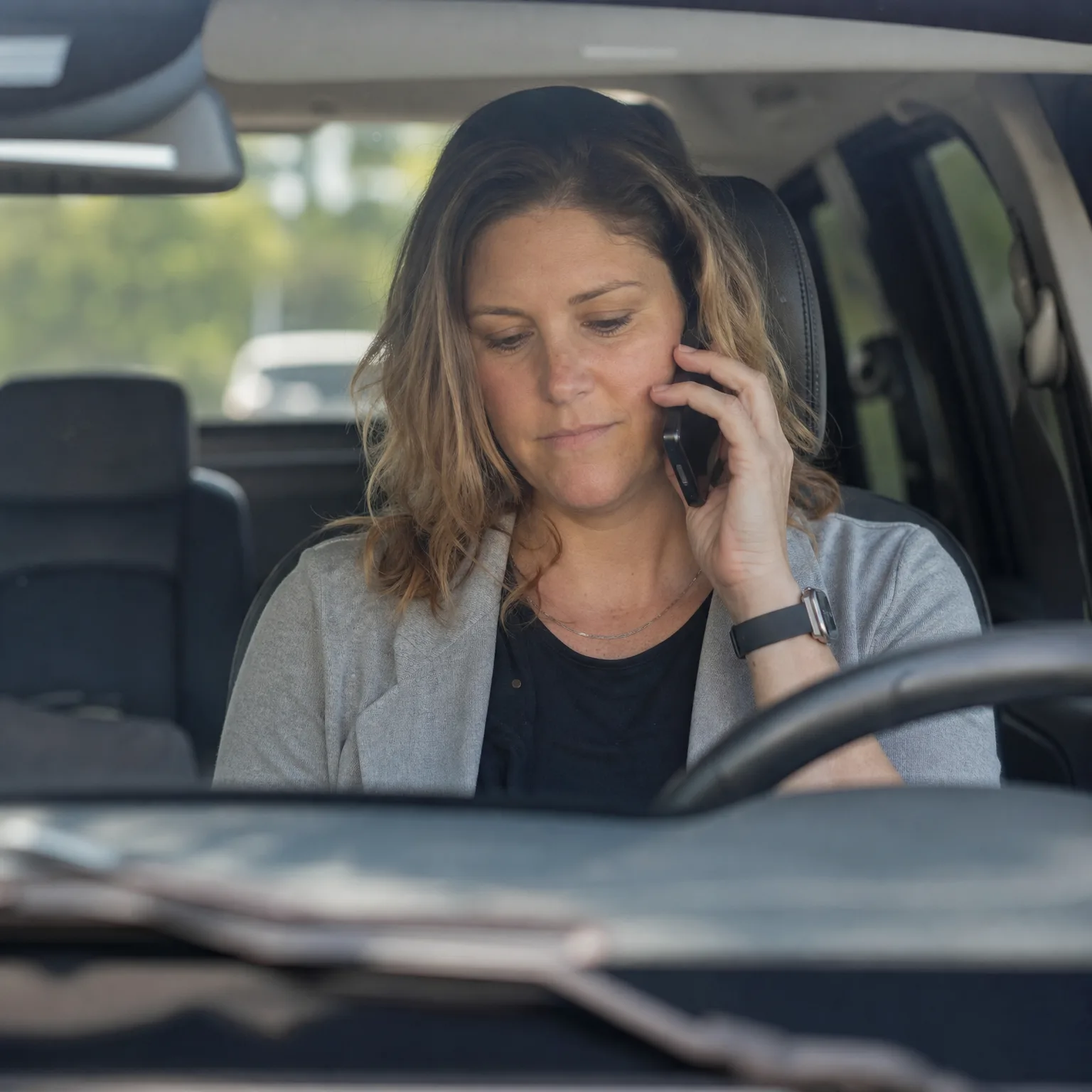
How Non-Owner SR-22 Coverage Works in Wisconsin and What It Actually Covers
A non-owner SR-22 policy in Wisconsin meets the state's minimum liability requirements: $25,000 bodily injury per person, $50,000 bodily injury per accident, and $10,000 property damage. The policy does not cover a specific vehicle. Instead, it follows you as a driver across any vehicle you operate that you do not own.
The policy covers liability only—damage you cause to others. It does not cover damage to the vehicle you're driving, your own injuries, or comprehensive/collision losses. If you borrow your friend's car and cause an accident, your non-owner policy pays the other driver's medical bills and property damage up to your policy limits after the vehicle owner's policy is exhausted. The vehicle owner's insurance is primary; your non-owner policy is secondary excess coverage.
Wisconsin carriers write the SR-22 certificate into the policy at issue. The carrier electronically files the SR-22 with Wisconsin DOT immediately. The state receives confirmation that you now carry continuous liability coverage and updates your driving record accordingly. If your policy cancels or lapses for any reason—missed payment, non-renewal, voluntary cancellation—the carrier must notify Wisconsin DOT within 10 days. The state will re-suspend your license, restart your suspension clock, and require a new reinstatement application with additional fees.
Wisconsin Occupational License Availability for Uninsured-Cause Drivers Without Vehicles
Wisconsin allows drivers suspended for uninsured violations to apply for an Occupational License under Wis. Stat. § 343.10. The occupational license is a court-issued restricted driving privilege available during your suspension period. You petition the circuit court in the county where you reside. The court evaluates your need—employment, education, medical appointments, alcohol/drug treatment, or religious activities—and decides whether to grant restricted driving privileges.
SR-22 proof of insurance is a universal requirement for obtaining an occupational license in Wisconsin, regardless of the underlying suspension cause. You must present proof of SR-22 filing to the court as part of your petition. If you do not own a vehicle, a non-owner SR-22 policy satisfies this requirement. The court does not care whether you own a car—it cares that you carry continuous liability coverage meeting state minimums.
The court sets your driving schedule: maximum 12 hours per day, no more than 60 hours per week, limited to approved purposes and routes. After the court issues the occupational license order, you take the signed order to a Wisconsin DMV office along with your SR-22 proof of insurance and pay the $60 reinstatement fee. The DMV then issues the physical occupational license document. Your non-owner SR-22 policy must remain active for the entire duration of your occupational license period and through your full license reinstatement. Letting the policy lapse during this time triggers automatic revocation of your occupational license and re-suspension of your regular driving privilege.
Reinstatement Sequence After Wisconsin Uninsured Suspension: Court, DMV, and Continuous Coverage
Wisconsin's reinstatement process after an uninsured suspension follows a strict sequence. First, you must serve any hard suspension period imposed by the court or DMV. For first-time uninsured violations, there is typically no mandatory hard suspension before occupational license eligibility, but repeat violations or accident-while-uninsured cases may carry waiting periods.
Second, you purchase a non-owner SR-22 policy from a carrier licensed to write SR-22 in Wisconsin. The carrier files the SR-22 electronically with Wisconsin DOT. You receive a copy of the SR-22 certificate—bring this document to court when you petition for an occupational license, and to the DMV when you apply for full reinstatement.
Third, you petition the circuit court for an occupational license if you need to drive during the suspension period. You present proof of employment or other essential need, proof of SR-22 filing, and pay the court's petition fee. If the court grants the occupational license, it issues a signed order specifying your approved driving hours, purposes, and any additional restrictions such as ignition interlock device installation.
Fourth, you take the court order, your SR-22 certificate, and payment for the $60 reinstatement fee to a Wisconsin DMV office. The DMV issues the physical occupational license. You may now drive within the court-defined restrictions. Your non-owner SR-22 policy must remain active continuously.
Fifth, after completing your full suspension period, you return to the DMV with proof that your SR-22 filing remains active. You pay any additional reinstatement fees if applicable and apply for full license restoration. Wisconsin will not restore your unrestricted driving privilege until the suspension period ends and continuous SR-22 coverage is verified. The SR-22 filing requirement continues for the full filing period—typically 3 years from the date of reinstatement.
Fix the Lapse That Cost You Your License
Get My Reinstatement SR-22 Quote
Cost Breakdown: Non-Owner SR-22 Premiums, Filing Fees, and Reinstatement Costs in Wisconsin
Non-owner SR-22 insurance in Wisconsin typically costs $30–$60 per month, depending on your driving history, age, county, and the carrier. This is the liability premium plus the SR-22 filing service. The SR-22 filing fee itself is usually a one-time charge of $15–$50, included in your first month's premium or billed separately at policy inception. Estimates based on available industry data; individual rates vary by driving history, coverage selections, and location.
Wisconsin's base reinstatement fee is $60. This fee applies to each separate suspension action on your record. If you have multiple concurrent suspensions—for example, an uninsured suspension stacked with unpaid ticket suspensions—Wisconsin assesses a separate $60 fee for each underlying cause. Total reinstatement fees can exceed $120 if multiple violations are unresolved.
If the court requires an ignition interlock device as a condition of your occupational license, installation costs approximately $75–$150, with monthly monitoring fees of $60–$90. Ignition interlock is mandatory for OWI-related suspensions in Wisconsin but is not typically required for uninsured-cause suspensions unless other violations are present.
Over a 3-year SR-22 filing period, expect to pay approximately $1,080–$2,160 in non-owner SR-22 premiums ($30–$60/month × 36 months), plus the one-time $15–$50 filing fee, plus the $60 reinstatement fee, plus any court petition fees. If your non-owner SR-22 policy lapses and you must refile, you will pay a new filing fee and potentially a new reinstatement fee to restore your occupational or full license.

What Happens If Your Non-Owner SR-22 Policy Lapses During the Filing Period in Wisconsin
Wisconsin law requires carriers to notify the state electronically within 10 days of any policy cancellation, non-renewal, or lapse. If your non-owner SR-22 policy lapses for any reason—missed payment, non-renewal, voluntary cancellation—Wisconsin DOT receives notification and immediately re-suspends your driving privilege. Your occupational license is revoked if you hold one. Your full license reinstatement is voided if you had completed the suspension period but were still within the 3-year SR-22 filing requirement.
The SR-22 filing clock resets. Wisconsin does not credit you for time already served under the previous SR-22 filing. You must purchase a new non-owner SR-22 policy, pay a new filing fee, and restart the 3-year filing period from the date of the new SR-22 filing. You must also pay another $60 reinstatement fee to lift the re-suspension and restore either your occupational license or your full license.
If you hold an occupational license and your SR-22 lapses, you may not legally drive even within the court-approved restrictions. Driving on a revoked occupational license is treated as driving after suspension in Wisconsin, which carries criminal penalties, additional license revocation time, and possible jail time for repeat offenses. The court may refuse to grant a second occupational license if you violated the terms of the first by allowing your SR-22 to lapse.
Maintain continuous coverage. Set up automatic payments. Monitor your policy renewal dates closely. If you need to switch carriers, arrange for the new carrier to file the SR-22 before canceling your old policy. Do not allow any gap in coverage—even a single day triggers state notification and re-suspension.
Switching to Standard Auto Insurance After You Buy a Car During the Filing Period
Many drivers purchase a vehicle months or years into their SR-22 filing period. When you buy a car, you must switch from non-owner SR-22 coverage to a standard auto insurance policy with SR-22 attached. The SR-22 filing requirement does not end when you buy a car—it continues for the full 3-year period Wisconsin imposed.
Contact your current non-owner SR-22 carrier first. Some carriers will convert your non-owner policy to a standard auto policy, add the vehicle, and transfer your SR-22 filing without interruption. Others do not write standard auto policies and will require you to move to a different carrier.
If you must change carriers, purchase the new standard auto policy with SR-22 before canceling your non-owner policy. The new carrier files an SR-22 with Wisconsin DOT electronically. Wisconsin's system receives the new SR-22 filing and updates your record. Only after you confirm the new SR-22 is active in the state's system should you cancel the old non-owner policy. Do not create a coverage gap.
Your SR-22 filing clock does not reset when you switch from non-owner to standard coverage, as long as there is no lapse. Wisconsin tracks continuous SR-22 filing from the original start date. If you had 18 months of non-owner SR-22 coverage and then switch to standard auto SR-22, you have 18 months remaining in your 3-year filing period.
Frequently Asked Questions
Can I get a non-owner SR-22 policy in Wisconsin if I never owned a car?
Yes. Non-owner SR-22 policies do not require prior vehicle ownership. Carriers issue non-owner policies to any licensed driver who does not own a car but needs liability coverage and SR-22 filing. Wisconsin DMV and courts accept non-owner SR-22 as valid proof of financial responsibility for occupational license petitions and full license reinstatement.
How long does Wisconsin require SR-22 filing after an uninsured driving suspension?
Wisconsin typically requires 3 years of continuous SR-22 filing after an uninsured-cause suspension, measured from the date your driving privilege is reinstated. If your SR-22 policy lapses during this period, the 3-year clock resets from the date you file a new SR-22. Repeat uninsured violations or accident-while-uninsured cases may carry longer filing periods.
Does non-owner SR-22 cover me if I borrow a friend's car in Wisconsin?
Yes, as secondary excess liability coverage. If you borrow a car and cause an accident, the vehicle owner's insurance pays first up to their policy limits. Your non-owner SR-22 policy covers damages beyond the owner's limits, up to your own liability limits. Non-owner policies do not cover damage to the vehicle you're driving or your own injuries.
What happens to my Wisconsin occupational license if my non-owner SR-22 lapses?
Wisconsin DOT revokes your occupational license immediately when your carrier reports an SR-22 lapse. You may not legally drive even within court-approved restrictions. To restore your occupational license, you must purchase a new non-owner SR-22 policy, pay a new $60 reinstatement fee, and petition the court again. The SR-22 filing clock resets to 3 years from the new filing date.
Can I cancel my non-owner SR-22 policy once I buy a car in Wisconsin?
No, not immediately. You must first purchase a standard auto insurance policy with SR-22 attached to your new vehicle, confirm the new SR-22 is filed with Wisconsin DOT, and only then cancel the non-owner policy. Any gap in SR-22 coverage triggers re-suspension and resets your 3-year filing clock. Coordinate with your carrier to avoid lapses during the transition.
Which Wisconsin carriers write non-owner SR-22 policies for uninsured suspension cases?
Do I need ignition interlock for a Wisconsin occupational license after an uninsured suspension?
Not typically. Ignition interlock device installation is mandatory for OWI-related occupational licenses in Wisconsin under Wis. Stat. § 343.301, but uninsured-cause suspensions do not trigger IID requirements unless other violations are present. The court has discretion to impose IID as a condition of any occupational license, so review your court order carefully.
Related Articles

WI Uninsured Suspension: Occupational License & SR-22
5/17/2026

Reinstate With No Car: Non-Owner SR-22 After Suspension
5/17/2026
Non-Owner SR-22 Illinois Uninsured Suspension No Car
5/17/2026
WI License Reinstatement Cost After Uninsured Driving
5/17/2026

Non-Owner SR-22 Hawaii Uninsured Suspension No Vehicle
5/17/2026
Non-Owner SR-22 MN After Uninsured Suspension
5/17/2026