
Non-Owner SR-22 in Vermont After Uninsured Suspension
Get My Reinstatement SR-22 QuoteWhy Vermont's Civil Suspension License Process Blocks Late SR-22 Filers
Vermont does not grant hardship driving privileges through the DMV. The Vermont Superior Court, Civil Division, controls all Civil Suspension License petitions under 23 V.S.A. § 674. When your suspension stems from driving uninsured or an insurance lapse, the court requires proof of current insurance and SR-22 filing before approving your petition—not after.
Most drivers attempt to file SR-22 on the day they submit their hardship petition. The court views this as insufficient. You must establish continuous insurance coverage, obtain the SR-22 certificate, and demonstrate financial responsibility before the court reviews your case. If you sold your vehicle, had it impounded, or never owned one, non-owner SR-22 satisfies this requirement.
The filing path differs materially from states where DMV grants hardship privileges administratively. Vermont's court-based system adds documentation burden and processing time. Expect 2 to 4 weeks from petition filing to court decision, assuming all documentation is complete. Missing insurance proof triggers automatic denial without prejudice to refile.

What Non-Owner SR-22 Actually Covers in Vermont
Non-owner SR-22 provides liability coverage when you drive a vehicle you do not own. Vermont requires minimum liability limits of $25,000 bodily injury per person, $50,000 bodily injury per accident, and $10,000 property damage. The SR-22 certificate proves to the DMV that a licensed insurer guarantees these minimums on your behalf for 3 years from reinstatement.
Non-owner policies do not cover vehicles you own, lease, or have regular access to. If you live with a family member who owns a car and you drive it regularly, non-owner SR-22 will not cover that vehicle. Most carriers define "regular access" as more than twice monthly. You must disclose household vehicle ownership when applying—misrepresentation voids the policy and resets your filing clock.
The policy follows you, not a specific vehicle. You can drive a rental car, borrow a friend's vehicle for an errand, or drive an employer's car during work hours, and the non-owner policy provides secondary liability coverage. Primary coverage still comes from the vehicle owner's policy. Non-owner SR-22 fills gaps, not primary risk.
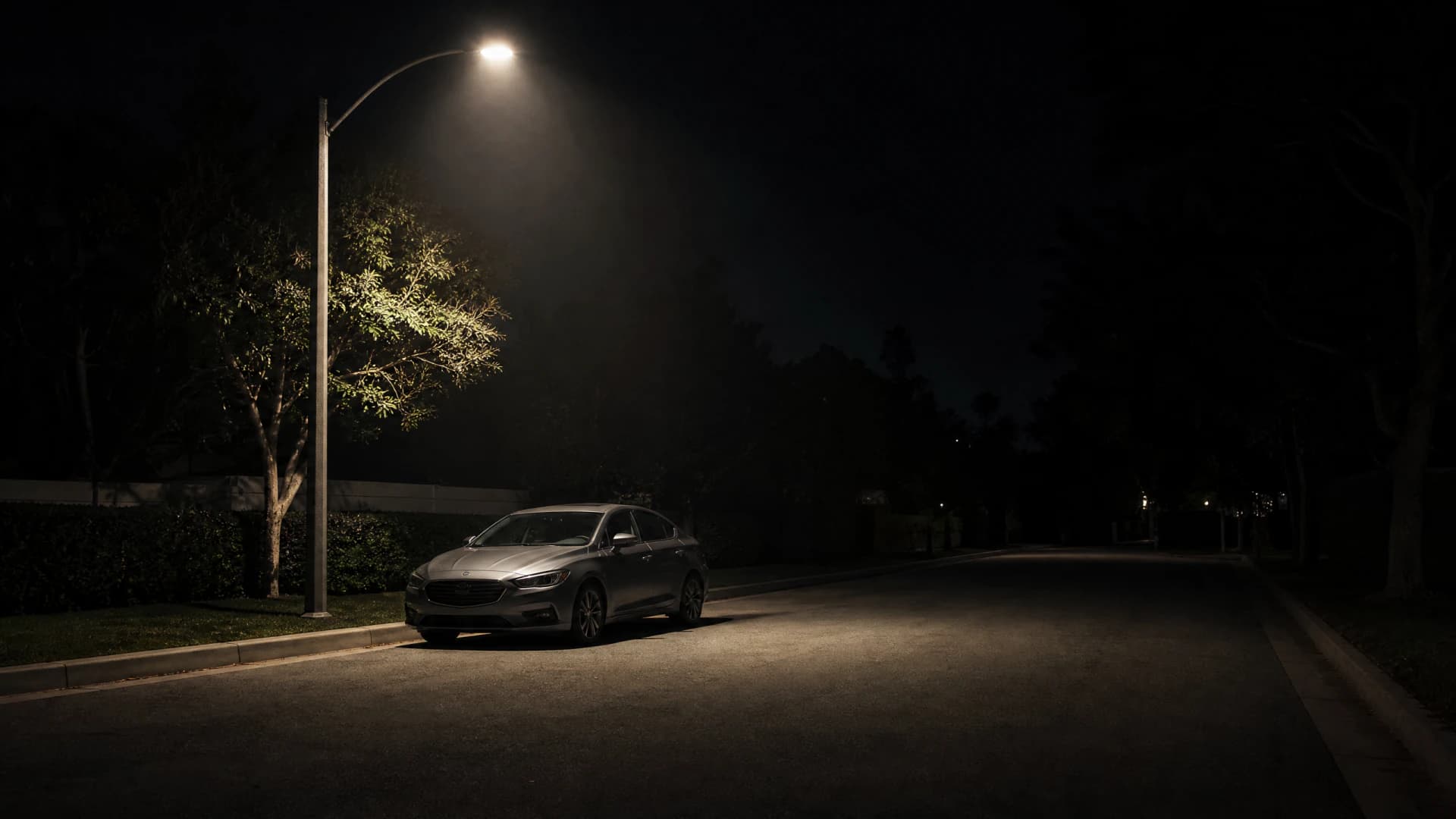

Vermont's 3-Year SR-22 Filing Requirement After Uninsured Suspension
Vermont requires SR-22 filing for 3 years from the date of license reinstatement, not from the date of suspension or conviction. If your suspension lasts 90 days and you reinstate on day 91, the 3-year SR-22 clock starts on day 91. Delays in reinstatement do not shorten the filing period.
The filing period resets if your policy lapses during the 3 years. Vermont's electronic insurance verification system triggers automatic re-suspension when an insurer cancels your SR-22 certificate. Carriers must notify Vermont DMV within 10 days of policy cancellation. DMV suspends your license administratively, typically without additional hearing. You must file a new SR-22, pay a new reinstatement fee, and restart the 3-year clock from the second reinstatement date.
Some drivers attempt to switch carriers mid-filing to save money. This is legal if done correctly: the new carrier must file SR-22 before the old carrier cancels. A single day of SR-22 lapse triggers re-suspension. Coordinate the handoff directly with both carriers and confirm Vermont DMV received the new SR-22 filing before allowing the old policy to cancel.
Court Petition Requirements for Uninsured-Cause Civil Suspension License
Vermont courts require a formal petition to the Civil Division of Vermont Superior Court. The petition must include: proof of hardship (employment letter on company letterhead, medical appointment schedule, or educational enrollment verification), proof of current insurance with SR-22 certificate, payment of all reinstatement fees owed to DMV, and payment of court filing fees.
The court evaluates hardship on a case-by-case basis. Employment hardship requires documentation showing: job title, work address, work schedule, supervisor contact information, and a signed statement from your employer confirming that loss of driving privileges will result in job loss. Self-employment claims require additional documentation: business license, tax filings, client contracts, or invoices showing income dependency on driving.
Medical hardship requires appointment schedules, physician letters confirming the necessity of in-person treatment, and proof that public transit or ride-sharing cannot satisfy the need. Educational hardship requires enrollment verification and a campus map or course schedule showing physical attendance requirements. The court denies petitions based on convenience, errands, or family transportation duties that do not constitute hardship under Vermont law.
Approved Civil Suspension Licenses restrict driving to court-defined purposes and hours. Typical restrictions limit driving to employment, medical appointments, court-ordered obligations, and essential household needs during hours directly tied to those purposes. Deviation from approved routes or hours voids the license and reinstates full suspension without additional hearing.

Fix the Lapse That Cost You Your License
Get My Reinstatement SR-22 Quote
Reinstatement Fee Structure and Total Cost Stack
Vermont charges a $71 reinstatement fee for uninsured-driving suspensions. This fee is paid to Vermont DMV separately from court filing fees. Court filing fees for Civil Suspension License petitions vary by county but typically range $50 to $75. Total upfront cost before insurance: $121 to $146.
Non-owner SR-22 policies in Vermont cost $25 to $50 monthly with carriers like Dairyland, The General, Progressive, and National General. Annual premium: $300 to $600. Over the 3-year SR-22 filing period, total insurance cost ranges $900 to $1,800. Add the reinstatement fee, court filing fee, and initial SR-22 filing fee (typically $25 to $50 depending on carrier), and total cost to regain driving privileges ranges $1,070 to $2,070 over 3 years.
If you lapse during the filing period and trigger re-suspension, add another $71 reinstatement fee, another court petition cycle if hardship privileges are needed again, and restart the 3-year SR-22 clock. Repeat lapses compound cost geometrically. Maintaining continuous coverage from day one is the only cost-effective path.

Ignition Interlock Requirement for Civil Suspension License Holders
Vermont requires ignition interlock device (IID) installation for drivers seeking Civil Suspension License approval, even when the underlying suspension is not DUI-related. This requirement applies to uninsured-driving suspensions when the driver petitions for hardship driving privileges. The IID must be installed in any vehicle the driver operates under the Civil Suspension License.
IID installation costs $75 to $150, monthly monitoring fees range $60 to $90, and removal fees cost $50 to $75. Over a 90-day suspension period with hardship privileges, total IID cost ranges $330 to $510. If your Civil Suspension License extends longer, monthly monitoring fees accumulate proportionally.
Non-owner SR-22 holders face a practical barrier: you cannot install an IID in a vehicle you do not own. Vermont courts typically deny Civil Suspension License petitions from non-owner drivers for this reason. If you plan to petition for hardship privileges, you must either own the vehicle you will drive or secure written permission from the vehicle owner to install an IID in their vehicle. Most vehicle owners refuse due to liability and inconvenience.
The alternative: serve the full suspension period without hardship privileges, then reinstate with non-owner SR-22 once the suspension lifts. This path avoids IID costs entirely but requires alternate transportation during suspension.
How to Buy Non-Owner SR-22 in Vermont Without a Vehicle
Contact carriers licensed to write non-owner SR-22 in Vermont: Dairyland, The General, Progressive, National General, USAA (military-affiliated only), and Geico. Not all carriers write non-owner policies in all states—call directly rather than using online quote tools, which often exclude non-owner options.
Provide your driver's license number, suspension notice or court documentation, and confirmation that you do not own, lease, or have regular access to a vehicle. The carrier runs your driving record, quotes monthly premium, and explains SR-22 filing process. If you accept the quote, the carrier files SR-22 electronically with Vermont DMV within 1 to 3 business days.
Request a copy of the SR-22 certificate for your records and for court petition filing. The certificate is not the policy itself—it is proof that the insurer has guaranteed Vermont's minimum liability limits on your behalf. Vermont DMV updates your record within 5 to 10 business days of receiving the SR-22 filing. Confirm the update before submitting your reinstatement application or court petition.
Pay monthly premiums on time without exception. A single missed payment triggers policy cancellation, SR-22 withdrawal, and automatic re-suspension. Set up autopay or calendar reminders to avoid lapses.
Frequently Asked Questions
Can I get a Civil Suspension License in Vermont without owning a car?
Vermont courts require ignition interlock installation for Civil Suspension License approval, even for uninsured-driving suspensions. You cannot install an IID in a vehicle you do not own without written permission from the vehicle owner. Most non-owner drivers serve the full suspension period, then reinstate with non-owner SR-22 once the suspension lifts.
How long does Vermont require SR-22 filing after an uninsured suspension?
Vermont requires 3 years of continuous SR-22 filing from the date of license reinstatement. The clock starts when you reinstate, not when the suspension began. If your SR-22 lapses during the 3 years, Vermont DMV re-suspends your license and restarts the 3-year clock from the second reinstatement date.
What happens if my non-owner SR-22 policy cancels during the filing period?
Vermont DMV receives electronic notification from your insurer within 10 days of cancellation and suspends your license administratively. You must file a new SR-22, pay another $71 reinstatement fee, and restart the 3-year filing period. Repeat lapses compound cost and extend the total time under SR-22 filing.
Does non-owner SR-22 cover a vehicle I borrow from a family member?
Non-owner SR-22 provides secondary liability coverage when you drive a vehicle you do not own. If you live with a family member and drive their car regularly (more than twice monthly), most carriers classify that as regular access and exclude coverage. You must disclose household vehicle ownership when applying—misrepresentation voids the policy.
How much does non-owner SR-22 cost in Vermont over 3 years?
Non-owner SR-22 policies cost $25 to $50 monthly in Vermont, or $300 to $600 annually. Over the 3-year filing period, total insurance cost ranges $900 to $1,800. Add the $71 reinstatement fee, court filing fees, and SR-22 filing fee, and total cost to regain driving privileges ranges $1,070 to $2,070.
Can I switch non-owner SR-22 carriers mid-filing to save money?
Yes, but the new carrier must file SR-22 with Vermont DMV before the old carrier cancels your policy. A single day of SR-22 lapse triggers automatic re-suspension. Coordinate the handoff directly with both carriers and confirm Vermont DMV received the new SR-22 filing before allowing the old policy to cancel.
What documentation does Vermont's court require for a Civil Suspension License petition?
The petition must include proof of hardship (employer letter, medical appointment schedule, or educational enrollment), proof of current insurance with SR-22 certificate, payment of all reinstatement fees owed to DMV, and payment of court filing fees. Self-employment claims require additional documentation: business license, tax filings, or client contracts showing income dependency on driving.
Related Articles

VT Uninsured Suspension: Civil License Filing Guide
5/17/2026
Drive Without Insurance in Vermont: Penalties & SR-22
5/17/2026

Non-Owner SR-22 in NH After Uninsured Suspension
5/17/2026
Non-Owner SR-22 in CT After Uninsured Suspension
5/17/2026

Non-Owner SR-22 After Uninsured Suspension Guide
5/17/2026

Non-Owner SR-22 Montana Uninsured Suspension Guide
5/17/2026