Non-Owner SR-22 in South Carolina After Uninsured Suspension
Get My Reinstatement SR-22 QuoteWhat Triggers Non-Owner SR-22 Need After an Uninsured Suspension in South Carolina
South Carolina's Insurance Verification System reports policy cancellations electronically to SCDMV. When your carrier notifies the state of a lapse, SCDMV suspends your vehicle registration first under SC Code § 56-10-520. If you're caught driving during that suspension or fail to respond to SCDMV notices, your driver's license is suspended administratively.
If you no longer own the vehicle that triggered the lapse—sold it, totaled it, had it repossessed, or never replaced it—you still need SR-22 to reinstate your license. The lapse was tied to your driver record, not just the car. SC requires SR-22 proof of financial responsibility for 3 years after an uninsured suspension.
Non-owner SR-22 satisfies the filing requirement without insuring a vehicle you don't drive. It covers bodily injury and property damage liability at state minimums ($25,000/$50,000/$25,000) when you drive someone else's car. The filing itself is what SCDMV monitors—the policy just has to stay active without lapse for the full 3-year term.

South Carolina's Dual-Track Suspension: Registration vs. License
Most states suspend either registration or license after a lapse. South Carolina suspends both, and the reinstatement process differs for each.
Registration suspension happens first when SCDMV receives notice of lapse. You cannot legally register or plate a vehicle until you provide proof of current insurance and pay a $200 registration reinstatement fee (separate from license reinstatement). If you sold the car or never owned one, this suspension becomes irrelevant—you have nothing to register.
License suspension is triggered by driving during a registration suspension, ignoring SCDMV notices, or repeat lapses. Reinstatement requires: payment of a $100 license reinstatement fee, proof of current insurance or non-owner SR-22, and 3 years of continuous SR-22 filing. If you own a vehicle again later, you'll need standard SR-22 at that point—non-owner SR-22 does not transfer to owned vehicles.
The critical mistake: assuming non-owner SR-22 alone clears both suspensions. It doesn't. If your registration was also suspended and you later buy a car, you'll need to resolve that separately with proof of insurance on the new vehicle and the registration reinstatement fee.

Cost Stack for Non-Owner SR-22 After Uninsured Suspension
Reinstatement after an uninsured suspension in South Carolina costs more than the ticket. The typical total ranges $600–$1,400 over the first year, depending on your county and carrier.
License reinstatement fee: $100, paid to SCDMV before your license is restored. Registration reinstatement is an additional $200 if you owned the vehicle at the time of lapse and still own it or plan to register another vehicle.
SR-22 filing fee: $15–$50 one-time, paid to your insurance carrier. Most carriers in South Carolina charge $25. This is the administrative fee for submitting the SR-22 certificate to SCDMV electronically.
Non-owner SR-22 premium: $30–$90/month for state-minimum liability coverage. Annual cost is approximately $360–$1,080. High-risk carriers writing non-owner policies in South Carolina include GAINSCO, Dairyland, The General, Progressive, and Bristol West. Rates vary by county—Richland and Charleston counties typically run 15–25% higher than rural counties due to claim frequency.
If you re-lapse during the 3-year SR-22 filing period, the clock resets. You'll pay another reinstatement fee, another filing fee, and potentially higher premiums as a second-offense uninsured driver.
Hardship License Access for Uninsured Suspension in South Carolina
South Carolina offers a Route Restricted License for drivers under administrative suspension, including uninsured-cause suspensions. Eligibility opens immediately after suspension—there is no hard waiting period for uninsured violations specifically (hard suspensions apply to DUI cases, not lapse cases).
The Route Restricted License costs $100 and is issued by SCDMV after you submit an application, proof of SR-22 or non-owner SR-22, and documentation of your qualifying need (employment verification, school enrollment, medical appointment records). Routes are defined on the license and typically limited to work, school, medical care, and court-ordered obligations.
Time restrictions are specified on the license and tied to your documented schedule. You cannot drive outside approved hours or routes. Violations trigger automatic revocation of the restricted license and extend your full suspension period.
If you don't own a vehicle, you can apply for a Route Restricted License using non-owner SR-22. The restriction applies to any vehicle you drive—borrowed, rented, employer-owned. SCDMV does not require vehicle registration proof for non-owner applicants, only the SR-22 filing confirmation.
Fix the Lapse That Cost You Your License
Get My Reinstatement SR-22 Quote
Non-Owner SR-22 Filing Process in South Carolina
Step one: obtain a non-owner SR-22 policy from a carrier licensed in South Carolina. Not all carriers write non-owner policies. GAINSCO, Dairyland, The General, Progressive, Geico, and Bristol West confirm availability. Request quotes from at least three to compare monthly premiums—spread between carriers can exceed $40/month.
The carrier files the SR-22 certificate electronically with SCDMV within 1–3 business days of policy activation. SCDMV processes the filing within 5–10 business days under typical conditions. You can verify filing status by calling SCDMV at (803) 896-5000 or checking your driver record online at scdmvonline.com.
Step two: pay the $100 license reinstatement fee at any SCDMV branch or online. Reinstatement is not automatic once SR-22 is filed—you must initiate it. Bring your SR-22 policy confirmation, photo ID, and payment. SCDMV issues a temporary license immediately if all requirements are met; the permanent license arrives by mail within 10 business days.
The 3-year SR-22 filing period begins the day SCDMV processes your filing, not the day you bought the policy. If your carrier cancels for non-payment, they notify SCDMV electronically within 24 hours. SCDMV re-suspends your license immediately. There is no grace period.
What Happens If You Buy a Vehicle During the SR-22 Filing Period
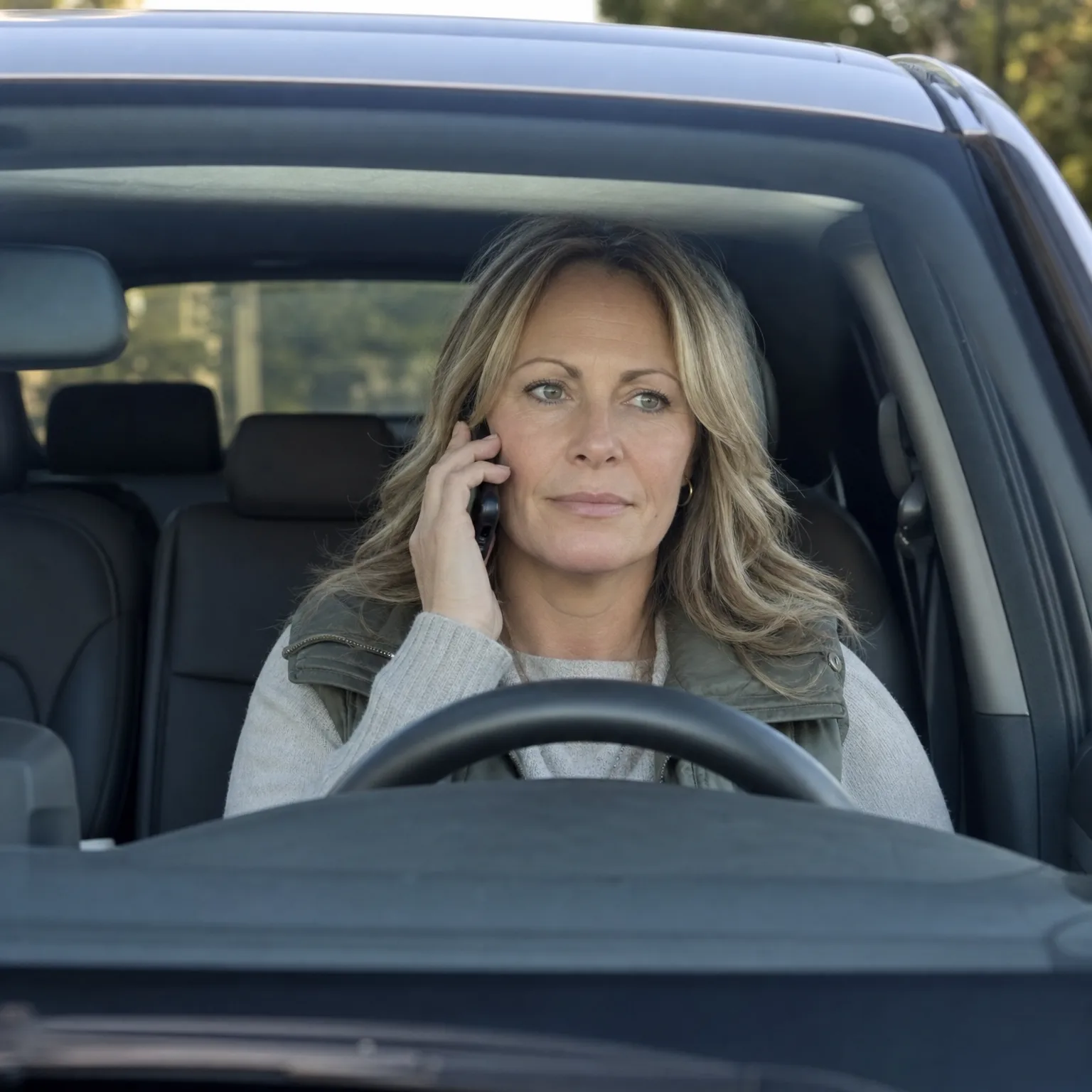
Non-owner SR-22 covers you only when driving vehicles you don't own. If you purchase or lease a vehicle during the 3-year filing period, you must switch to a standard SR-22 policy within 30 days of registration.
SCDMV monitors vehicle registration transactions tied to your driver record. When you register a car, the system flags your SR-22 requirement. If your current SR-22 is non-owner, SCDMV expects a new SR-22 filing from a carrier insuring the newly registered vehicle. Failure to update within 30 days triggers an automatic license suspension for SR-22 non-compliance.
Contact your carrier before buying the car. Most carriers writing non-owner SR-22 can convert your policy to standard SR-22 on the same day if you provide VIN, make, model, and purchase date. The SR-22 filing itself does not lapse during conversion—your carrier submits an updated certificate to SCDMV showing the new policy number and vehicle.
The 3-year clock does not reset. If you filed non-owner SR-22 in January 2025 and bought a car in June 2026, your SR-22 obligation still ends in January 2028. Switching from non-owner to standard SR-22 mid-term is a policy change, not a new filing trigger.
South Carolina's Uninsured Motorist Fee Alternative Does Not Apply Retroactively
South Carolina allows drivers to pay a $550 annual Uninsured Motorist fee instead of carrying liability insurance under SC Code § 56-10-510. This is not insurance—it's a state-authorized opt-out that exempts you from the insurance mandate.
The fee does not satisfy SR-22 filing requirements. SR-22 is proof of insurance, and SCDMV requires an actual liability policy from a licensed carrier. Paying the Uninsured Motorist fee after a lapse-driven suspension does not reinstate your license or clear the SR-22 obligation.
If you had paid the fee before the lapse occurred, the lapse would not have triggered state action—you were legally uninsured under the fee exemption. But once SCDMV suspends your license for an insurance lapse, reinstatement requires SR-22, regardless of whether you now choose to pay the fee going forward.
The fee is an option for drivers who prefer not to carry insurance after reinstatement and the SR-22 period ends. During the 3-year SR-22 filing term, you must maintain continuous coverage. Dropping the policy and switching to the fee mid-term triggers SR-22 non-compliance and re-suspension.
Frequently Asked Questions
Can I get non-owner SR-22 if I never owned the car that caused the lapse?
Yes. South Carolina ties the SR-22 requirement to your driver record, not the vehicle. If you were listed as the policyholder or driver on a lapsed policy—even if the car belonged to someone else—SCDMV requires SR-22 to reinstate your license. Non-owner SR-22 satisfies that filing.
How long does it take SCDMV to process non-owner SR-22 and reinstate my license?
Your carrier files the SR-22 electronically within 1–3 business days of policy activation. SCDMV processes the filing within 5–10 business days under normal conditions. After the filing is processed, you pay the $100 reinstatement fee and receive a temporary license the same day at any SCDMV branch.
What happens if my non-owner SR-22 lapses during the 3-year filing period?
Your carrier notifies SCDMV electronically within 24 hours of cancellation. SCDMV re-suspends your license immediately with no grace period. You must purchase a new non-owner SR-22 policy, file it with SCDMV, and pay another $100 reinstatement fee. The 3-year SR-22 clock resets from the date of the new filing.
Does a Route Restricted License let me drive for work without owning a car?
Yes. You can apply for a Route Restricted License using non-owner SR-22 as proof of insurance. The restriction applies to any vehicle you drive—borrowed, rented, or employer-owned. Routes and hours are defined on the license and limited to employment, school, medical care, and court obligations.
Can I switch from non-owner SR-22 to standard SR-22 if I buy a car later?
Yes, and you must do so within 30 days of registering the vehicle. Contact your carrier before registering the car. They will convert your policy to standard SR-22 and file an updated certificate with SCDMV. The 3-year SR-22 term does not reset—the time you already served under non-owner SR-22 counts toward the total.
Does paying South Carolina's $550 Uninsured Motorist fee clear my SR-22 requirement?
No. The Uninsured Motorist fee is an opt-out from the insurance mandate, not insurance itself. SR-22 requires proof of actual liability coverage from a licensed carrier. The fee does not satisfy SCDMV's SR-22 filing requirement and will not reinstate your license after an uninsured suspension.
Which carriers in South Carolina write non-owner SR-22 policies?
GAINSCO, Dairyland, The General, Progressive, Geico, and Bristol West confirm non-owner SR-22 availability in South Carolina. Premiums range $30–$90/month depending on county and violation history. Request quotes from at least three carriers—monthly rate spread can exceed $40.
Related Articles
SC First-Offense Uninsured Suspension: SR-22 & Reinstatement
5/17/2026
SC License Reinstatement After Insurance Lapse
5/17/2026

SC License Reinstatement Costs After Insurance Lapse
5/17/2026

Cheapest SC Insurance After Suspension
5/29/2026
Non-Owner SR-22 in SD After Uninsured Suspension
5/17/2026
Non-Owner SR-22 in NC After Uninsured Suspension
5/17/2026