
Non-Owner SR-22 in Nevada After Uninsured Suspension (No Car)
Get My Reinstatement SR-22 QuoteWhy Nevada Accepts Non-Owner SR-22 After Uninsured Driving Violations
Nevada requires SR-22 filing for uninsured driving suspensions under NRS 485.187, regardless of whether you currently own a vehicle. The filing proves future financial responsibility, not vehicle ownership. Non-owner SR-22 policies satisfy this requirement because they provide the same liability minimums ($25,000 per person, $50,000 per accident, $20,000 property damage) required by Nevada law.
The Nevada DMV's electronic insurance verification system (NIVS) receives non-owner SR-22 filings the same way it receives standard filings. When your insurer submits the SR-22 electronically, NIVS flags your license for compliance tracking. The system doesn't distinguish between owner and non-owner policies.
Most drivers hit this path after their vehicle was impounded following the uninsured stop, sold during the suspension period, or never owned in the first place. If you were driving a friend's car, a rental, or a borrowed vehicle when caught uninsured, non-owner SR-22 is your only reinstatement option.

The Reinstatement Fee Must Be Paid Before SR-22 Filing
Nevada DMV will not process your SR-22 filing until the $35 base reinstatement fee is paid. This creates a sequencing problem most drivers miss: you cannot get quotes, purchase a policy, or have your insurer file the SR-22 until DMV shows your account eligible for reinstatement.
The process works this way: pay the reinstatement fee online at dmvnv.com or in person at a Nevada DMV office, wait 1-3 business days for the payment to post to your driver record, then contact insurers for non-owner SR-22 quotes. Carriers verify your license status before issuing coverage. If DMV shows an outstanding fee balance, the application is rejected.
Many drivers waste weeks shopping for SR-22 quotes before paying the fee, then discover no carrier will bind coverage. Pay the reinstatement fee first. Verify payment posted to your DMV record by calling the Driver Control Section at 775-684-4590. Only then start the insurance search.


Which Nevada Carriers Write Non-Owner SR-22 Policies
Geico, Progressive, The General, and Dairyland all write non-owner SR-22 policies in Nevada and file electronically with NIVS. Bristol West requires broker contact but covers non-owner cases. State Farm writes SR-22 but does not consistently offer non-owner policies in Nevada; verify availability before applying.
Typical non-owner SR-22 premiums in Nevada run $35-$65 per month for the policy itself, plus a one-time SR-22 filing fee of $15-$50 depending on carrier. Total first-month cost including the filing fee and first premium payment usually falls between $70 and $130. The policy renews monthly as long as you maintain payment.
Do not apply with multiple carriers simultaneously. Each application creates a credit inquiry, and some carriers interpret multiple recent inquiries as desperation or fraud risk, raising your quoted rate. Get one quote, evaluate it, then move to the next carrier if the rate is unacceptable.

Fix the Lapse That Cost You Your License
Get My Reinstatement SR-22 QuoteHow Long You Must Maintain the Non-Owner SR-22 Filing
Nevada requires SR-22 filing for uninsured driving violations for a minimum of 3 years from the date of reinstatement, not the date of suspension. If your license was suspended January 2024 but you don't reinstate until June 2024, the 3-year SR-22 clock starts in June 2024 and runs through June 2027.
If your non-owner policy lapses or is cancelled at any point during the 3-year filing period, your insurer must notify NIVS electronically within 24 hours. Nevada DMV will suspend your license again immediately, often before you receive notice. Re-lapsing restarts the entire 3-year SR-22 clock from the new reinstatement date.
Set up automatic payment for your non-owner SR-22 policy. A missed $50 monthly payment can trigger a suspension that costs another $35 reinstatement fee plus restart the 3-year filing requirement. Over the full filing period, maintaining continuous non-owner SR-22 coverage costs approximately $1,260-$2,340 total ($35-$65/month × 36 months), not counting the initial reinstatement fee.
What Happens If You Buy a Car During the SR-22 Filing Period
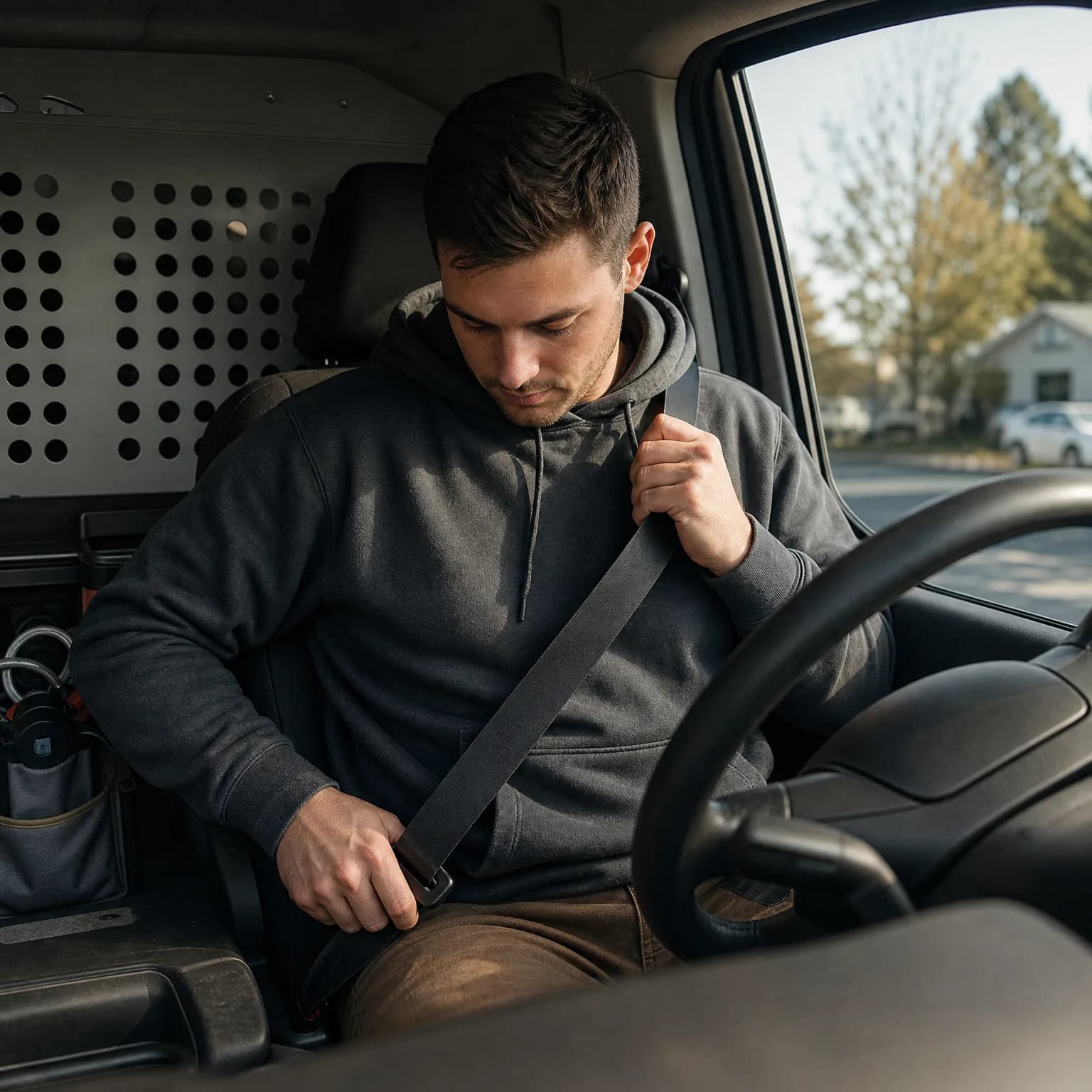
If you purchase a vehicle while carrying non-owner SR-22 coverage, you must convert to a standard owner SR-22 policy within 30 days. Contact your insurer immediately after vehicle purchase. Most carriers will convert your existing non-owner policy to an owner policy without restarting the SR-22 filing clock, as long as coverage remains continuous.
The premium will increase when you add a vehicle. A non-owner policy that cost $50/month may jump to $140-$220/month once you insure an actual car, depending on the vehicle's year, make, and value. The SR-22 filing itself does not change; the underlying policy type changes from non-owner to owner.
If you fail to notify your insurer within 30 days of vehicle purchase, the non-owner policy may be voided retroactively. NIVS receives a cancellation notice, your license suspends again, and you must restart reinstatement from the beginning. Register the vehicle and convert the policy in the same week to avoid this gap.
Nevada Restricted License Eligibility After Uninsured Suspension
Nevada does not offer restricted licenses for uninsured driving suspensions. Restricted licenses in Nevada are available only for DUI-related suspensions and require ignition interlock device installation under NRS 483.490. If your suspension is insurance-related under NRS 485.187, you must complete full reinstatement before driving legally again.
Some drivers confuse administrative per se DUI suspensions (which do qualify for restricted licenses after a 45-day hard suspension) with insurance lapse suspensions (which do not). If your suspension letter references NRS 485, financial responsibility, or uninsured driving, the restricted license path is closed. You must pay the reinstatement fee, file SR-22, and wait for full license restoration.
The DMV will not issue a restricted license simply because you need to drive to work. Nevada treats uninsured driving as a compliance violation, not a criminal offense, and applies a strict reinstatement-only remedy. Budget for rideshare, carpooling, or public transit until reinstatement clears.
Frequently Asked Questions
Can I get a non-owner SR-22 in Nevada if my car was impounded?
Yes. Non-owner SR-22 policies are specifically designed for drivers who do not own a vehicle, whether the car was impounded, sold, or never owned. Nevada DMV accepts non-owner SR-22 filings under NRS 485.187 as long as the policy meets state liability minimums.
How much does non-owner SR-22 insurance cost in Nevada per month?
Typical non-owner SR-22 premiums in Nevada run $35-$65 per month, plus a one-time filing fee of $15-$50. First-month total cost including the filing fee usually falls between $70 and $130. Rates vary by age, violation history, and carrier.
What happens if I miss a payment on my non-owner SR-22 policy in Nevada?
Your insurer will notify Nevada NIVS within 24 hours of the lapse, and DMV will suspend your license again immediately. You must pay another $35 reinstatement fee and restart the 3-year SR-22 filing period from the new reinstatement date.
Do I need to notify my insurer if I buy a car while carrying non-owner SR-22?
Yes. You must convert your non-owner SR-22 policy to a standard owner policy within 30 days of vehicle purchase. Most carriers will convert the policy without restarting the SR-22 clock, but failing to notify them within 30 days can void the non-owner policy retroactively and trigger a new suspension.
Can I get a restricted license in Nevada for an uninsured driving suspension?
No. Nevada restricted licenses under NRS 483.490 are available only for DUI-related suspensions and require ignition interlock installation. Uninsured driving suspensions under NRS 485.187 require full reinstatement; no restricted driving privileges are available.
How long does the Nevada DMV take to process SR-22 filings?
NIVS receives electronic SR-22 filings from insurers within 24-48 hours. Once the filing posts to your driver record and the reinstatement fee is paid, license restoration typically processes within 1-3 business days. In-person DMV visits can expedite this to same-day in some cases.
Which carriers file SR-22 electronically with Nevada NIVS?
Geico, Progressive, The General, Dairyland, and Bristol West all file SR-22 electronically with Nevada's insurance verification system. State Farm writes SR-22 in Nevada but does not consistently offer non-owner policies; verify availability before applying.
Related Articles
Nevada Uninsured Suspension: SR-22 Filing Period & Fees
5/17/2026

Non-Owner SR-22 After Uninsured Suspension in Nebraska
5/17/2026

Non-Owner SR-22 After Uninsured Suspension Guide
5/17/2026

Reinstate With No Car: Non-Owner SR-22 After Suspension
5/17/2026

Non-Owner SR-22 After Uninsured Suspension Explained
5/17/2026
Non-Owner SR-22 CA After Uninsured Suspension
5/17/2026