
Non-Owner SR-22 Indiana: What Uninsured Drivers Without a Car Do
Get My Reinstatement SR-22 QuoteWhen Indiana suspends your license for uninsured driving but you don't own a car anymore
Your license was suspended for driving uninsured in Indiana. The car that got you suspended is gone: repossessed, sold to pay bills, impounded and abandoned, or you were driving someone else's vehicle when you got caught. Indiana BMV still requires SR-22 proof of financial responsibility before you can reinstate or apply for a Probationary License. You cannot satisfy this requirement without active insurance.
Non-owner SR-22 solves this. It provides liability coverage when you drive a borrowed or rental vehicle and files the SR-22 certificate with Indiana BMV exactly the same way a standard auto policy does. The BMV does not distinguish between owner and non-owner SR-22 for reinstatement purposes.
Indiana requires continuous SR-22 filing for 3 years after an uninsured driving suspension under IC 9-25. If the non-owner policy lapses or cancels during that period, the carrier notifies BMV electronically through the INSPECT system and your license suspends again immediately. The 3-year clock does not pause during a lapse. It resets.
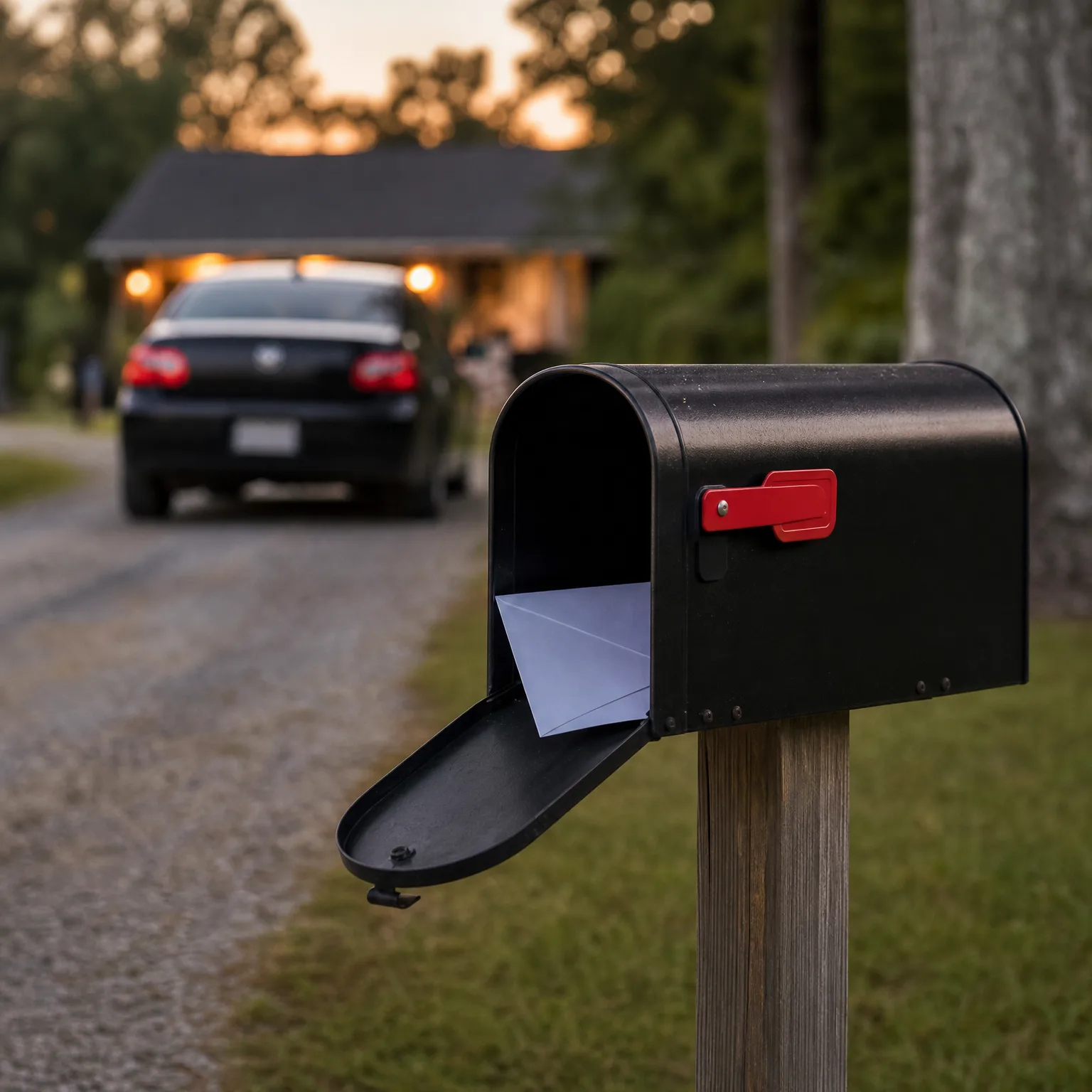
What non-owner SR-22 actually covers in Indiana
Non-owner SR-22 provides liability coverage only: $25,000 per person bodily injury, $50,000 per accident bodily injury, and $25,000 property damage. These are Indiana's statutory minimums under IC 9-25-4. The policy does not cover damage to the vehicle you are driving. It covers injuries and property damage you cause to others.
The policy activates when you drive a vehicle you do not own and that is not regularly available to you. It does not cover employer-owned vehicles, household vehicles owned by a spouse or parent you live with, or vehicles you rent for more than 30 days. Those require separate coverage.
Carriers writing non-owner SR-22 in Indiana include Geico, Progressive, The General, Dairyland, GAINSCO, Bristol West, and USAA for eligible members. Monthly premiums range $40 to $90 depending on your driving record severity and county. Non-owner premiums are lower than standard auto SR-22 because the carrier assumes less risk: you have no vehicle to insure for collision or comprehensive.


Indiana Probationary License requires SR-22 before application approval
Indiana calls its restricted driving privilege a Probationary License under BMV administrative rules. Courts may also issue Specialized Driving Privileges under IC 9-30-16 for OWI cases, but BMV-issued Probationary Licenses are the primary pathway for uninsured-driving suspensions.
SR-22 filing is required before BMV will process your Probationary License application. You cannot apply, pay the fee, and add SR-22 later. The SR-22 certificate must be on file with BMV when you submit your application. Carriers typically file the SR-22 electronically within 24 to 72 hours of policy purchase. The BMV verifies the filing through the INSPECT system before approving the Probationary License.
Probationary License restrictions limit driving to work, school, medical appointments, and religious activities. BMV or the court may impose time-of-day restrictions depending on your case. Ignition interlock is required for OWI-related suspensions but is not mandated for uninsured-driving suspensions unless your case included alcohol involvement.
Reinstatement costs and SR-22 filing fees stack
Indiana charges a $250 reinstatement fee for uninsured-driving suspensions. This is separate from any traffic ticket fine you paid. You cannot reinstate until the reinstatement fee is paid in full. BMV accepts payment online through mybmv.com or in person at any BMV branch.
SR-22 filing fees range $15 to $50 depending on the carrier. Geico charges $15. The General charges $25. Dairyland and Bristol West charge $25 to $35. This is a one-time fee when the SR-22 is filed. Some carriers charge an additional fee if you need to refile after a lapse.
Non-owner SR-22 monthly premiums range $40 to $90. Over the 3-year filing period, total premium cost is approximately $1,440 to $3,240. Total cost including reinstatement fee and SR-22 filing fee: $1,705 to $3,540. Estimates based on available industry data; individual rates vary by county, driving history, and carrier underwriting.

Fix the Lapse That Cost You Your License
Get My Reinstatement SR-22 Quote
What happens if you let the non-owner SR-22 policy lapse during the 3-year period
Indiana law requires continuous SR-22 filing for 3 years after an uninsured suspension under IC 9-25. If your non-owner SR-22 policy cancels or lapses for non-payment, the carrier files an SR-26 cancellation notice with BMV electronically through the INSPECT system. BMV suspends your license again within 10 to 15 days of receiving the SR-26.
The 3-year SR-22 clock does not pause during a lapse. It resets. If you lapse 2 years into the filing period, you owe 3 full years from the date you refile. Indiana does not prorate SR-22 filing periods based on time already served.
Reinstatement after an SR-22 lapse requires paying a new reinstatement fee, refiling SR-22 with a carrier, and waiting for BMV processing. Most drivers face a second reinstatement fee of $250. Some counties impose higher fees for repeat suspensions. Check with BMV before assuming the fee matches your first suspension.

When you buy a car during the 3-year SR-22 filing period
If you purchase a vehicle while holding a non-owner SR-22 policy, you must convert to a standard auto SR-22 policy immediately. Non-owner policies exclude coverage for vehicles you own or vehicles registered in your name. Driving a vehicle you own under a non-owner policy leaves you uninsured in Indiana's eyes.
Contact your carrier the day you purchase or register the vehicle. The carrier will cancel the non-owner policy, issue a standard auto SR-22 policy, and file the updated SR-22 with BMV. The SR-22 filing obligation transfers seamlessly. The 3-year clock does not reset as long as there is no gap between policy cancellation and new policy effective date.
Standard auto SR-22 premiums are higher than non-owner premiums because the policy now covers collision and comprehensive risk. Expect monthly premiums to increase from $40–$90 to $120–$220 depending on the vehicle value, coverage selections, and your county. The SR-22 filing fee does not apply again unless the carrier charges a refile fee.
Carriers writing non-owner SR-22 in Indiana and how to compare quotes
Geico, Progressive, The General, Dairyland, GAINSCO, Bristol West, and USAA write non-owner SR-22 policies in Indiana. Not all carriers offer online quoting for non-owner policies. Geico and Progressive allow online quotes. The General, Dairyland, GAINSCO, and Bristol West require phone quotes.
Quote at least three carriers. Monthly premium differences of $20 to $40 are common for identical coverage limits and SR-22 filing. Over 3 years, a $30 monthly difference is $1,080 in total savings.
Some carriers require proof of license suspension or reinstatement eligibility before issuing a non-owner SR-22 policy. Have your BMV suspension notice or reinstatement letter ready when you call. Carriers verify SR-22 filing status with BMV electronically, but suspension documentation speeds up underwriting approval.
Frequently Asked Questions
Can I get a Probationary License in Indiana without owning a car?
Yes. Indiana BMV issues Probationary Licenses to drivers who do not own a vehicle as long as SR-22 proof of financial responsibility is on file. Non-owner SR-22 satisfies the SR-22 requirement. You must maintain the non-owner SR-22 policy for the full 3-year filing period or your Probationary License will be revoked.
How much does non-owner SR-22 cost in Indiana per month?
Non-owner SR-22 policies in Indiana cost $40 to $90 per month depending on your county, driving record, and carrier. SR-22 filing fees range $15 to $50 one-time. Total cost over the 3-year filing period is approximately $1,440 to $3,240 in premiums plus the filing fee and reinstatement fee.
Does Indiana require SR-22 for all uninsured driving suspensions?
Yes. Indiana requires SR-22 filing for all uninsured driving suspensions under IC 9-25. The SR-22 filing period is 3 years from the reinstatement date. If your SR-22 policy lapses during the 3-year period, your license suspends again and the 3-year clock resets.
What happens if I move out of Indiana during the SR-22 filing period?
Indiana's SR-22 filing requirement does not transfer to other states automatically. If you move to a new state, you must obtain SR-22 in the new state and maintain it for Indiana's remaining filing period. Contact the new state's DMV to confirm whether they honor Indiana's SR-22 obligation or require separate filing.
Can I cancel non-owner SR-22 after I buy a car?
You must cancel the non-owner SR-22 and replace it with a standard auto SR-22 policy the day you purchase or register a vehicle. Non-owner policies exclude coverage for vehicles you own. Driving your own vehicle under a non-owner policy leaves you uninsured and triggers another suspension if BMV detects the gap.
Do I need non-owner SR-22 if I never plan to drive again?
No. If you do not plan to drive and do not need a valid license, you are not required to file SR-22 or reinstate your license. Indiana's SR-22 requirement applies only to drivers seeking reinstatement or Probationary License privileges. Your suspension remains on your record until you reinstate.
Related Articles

Indiana Uninsured License Reinstatement Cost & SR-22
5/17/2026

Indiana Reinstatement After Insurance Lapse
5/29/2026

Cheapest Indiana SR-22 After Suspension
5/29/2026

Non-Owner SR-22 Illinois Uninsured Suspension No Car
5/17/2026

Indiana First-Offense Uninsured: Probationary License
5/17/2026

Reinstate With No Car: Non-Owner SR-22 After Suspension
5/17/2026