
Non-Owner SR-22 After Idaho Uninsured Suspension Without a Car
Get My Reinstatement SR-22 QuoteWhy Idaho Requires SR-22 Even When You Don't Own a Vehicle
Idaho Code § 49-1232 et seq. requires SR-22 filing after an uninsured driving suspension regardless of vehicle ownership status. The filing proves you carry at least Idaho's minimum liability coverage: $25,000 bodily injury per person, $50,000 per accident, and $15,000 property damage. The Idaho Transportation Department (ITD) doesn't care whether you own a car. They care that you can demonstrate financial responsibility for 3 years.
Your suspension triggered when Idaho's electronic insurance verification system (IIVS) flagged your lapse or when you were caught driving uninsured. The ITD suspended your license and registration simultaneously under Idaho Code § 49-326. Even if your vehicle was impounded, sold, or never existed, the license suspension stands until you file SR-22 and pay the $25 base reinstatement fee.
Non-owner SR-22 is the legal tool that satisfies Idaho's SR-22 requirement when you don't own a vehicle. It's liability-only coverage that follows you as a driver, not a specific car. You can buy it from carriers writing non-owner policies in Idaho, file the SR-22 certificate with the ITD, and meet your reinstatement condition without owning or insuring a vehicle.

What Non-Owner SR-22 Actually Covers in Idaho
Non-owner SR-22 provides liability coverage when you drive a car you don't own: a borrowed car, a rental, or a friend's vehicle. It does not cover damage to the vehicle you're driving. It covers injuries and property damage you cause to others, up to your policy limits.
Idaho's minimum liability limits apply: $25,000 bodily injury per person, $50,000 per accident, $15,000 property damage. Most non-owner policies sold in Idaho carry these minimums exactly. Higher limits cost more but are rarely necessary unless you have significant assets to protect. The SR-22 filing attaches to the policy and gets transmitted electronically to the ITD within 24 hours of purchase.
Non-owner SR-22 does not satisfy ignition interlock device requirements. If your suspension includes an IID mandate under Idaho Code § 18-8008, you must install the device in a vehicle you regularly operate. Non-owner SR-22 proves insurance. IID proves sobriety monitoring. They are separate reinstatement conditions for DUI-related suspensions.


Idaho's Court-Based Restricted License and the Non-Owner Gap
Idaho offers a restricted license during suspension periods, but the application path runs through district court, not the ITD. Idaho Code § 49-326 and § 18-8005 give courts discretion to grant restricted driving privileges for work, school, medical appointments, and other court-approved purposes. Courts set the routes, hours, and conditions individually.
Here's the gap: Idaho courts typically require you to identify the specific vehicle you will operate under the restricted license, and proof of insurance for that vehicle. If you don't own a car and can't name a specific vehicle, most Idaho courts deny the petition. Non-owner SR-22 proves you carry liability coverage, but it doesn't tie to a specific car, and Idaho courts don't accept non-specific vehicle declarations for restricted licenses.
This means non-owner SR-22 satisfies your reinstatement requirement but won't unlock hardship driving privileges in most Idaho counties. You can reinstate your full license after the suspension period ends by maintaining the non-owner SR-22 for 3 years and paying the reinstatement fee. But you can't drive legally during the suspension unless you secure access to a specific vehicle, insure it, and petition the court with that vehicle's registration and insurance proof.

Fix the Lapse That Cost You Your License
Get My Reinstatement SR-22 QuoteHow to Buy Non-Owner SR-22 in Idaho and File It Correctly
Call carriers writing non-owner SR-22 policies in Idaho: Progressive, Geico, The General, Dairyland, GAINSCO, Bristol West, and USAA (if eligible). Ask for a non-owner liability policy with SR-22 filing. Provide your license number, suspension notice details, and the ITD as the filing recipient.
The carrier files the SR-22 certificate electronically with the ITD within 24 hours. You receive a paper copy for your records. The ITD updates your driver record to show active SR-22 compliance. This satisfies the SR-22 reinstatement condition but does not lift your suspension. You still owe the $25 base reinstatement fee, any outstanding ticket fines, and proof that your suspension period has ended or that the court approved a restricted license.
Non-owner SR-22 premiums in Idaho typically cost $30 to $60 per month for minimum liability limits, plus a one-time SR-22 filing fee of $15 to $50 depending on the carrier. Total annual cost: $375 to $770. The SR-22 filing must remain active and uninterrupted for 3 years. If the policy lapses for non-payment, the carrier notifies the ITD electronically within 24 hours, and the ITD re-suspends your license immediately. The 3-year clock resets.
Total Cost to Reinstate After an Uninsured Suspension Without a Vehicle
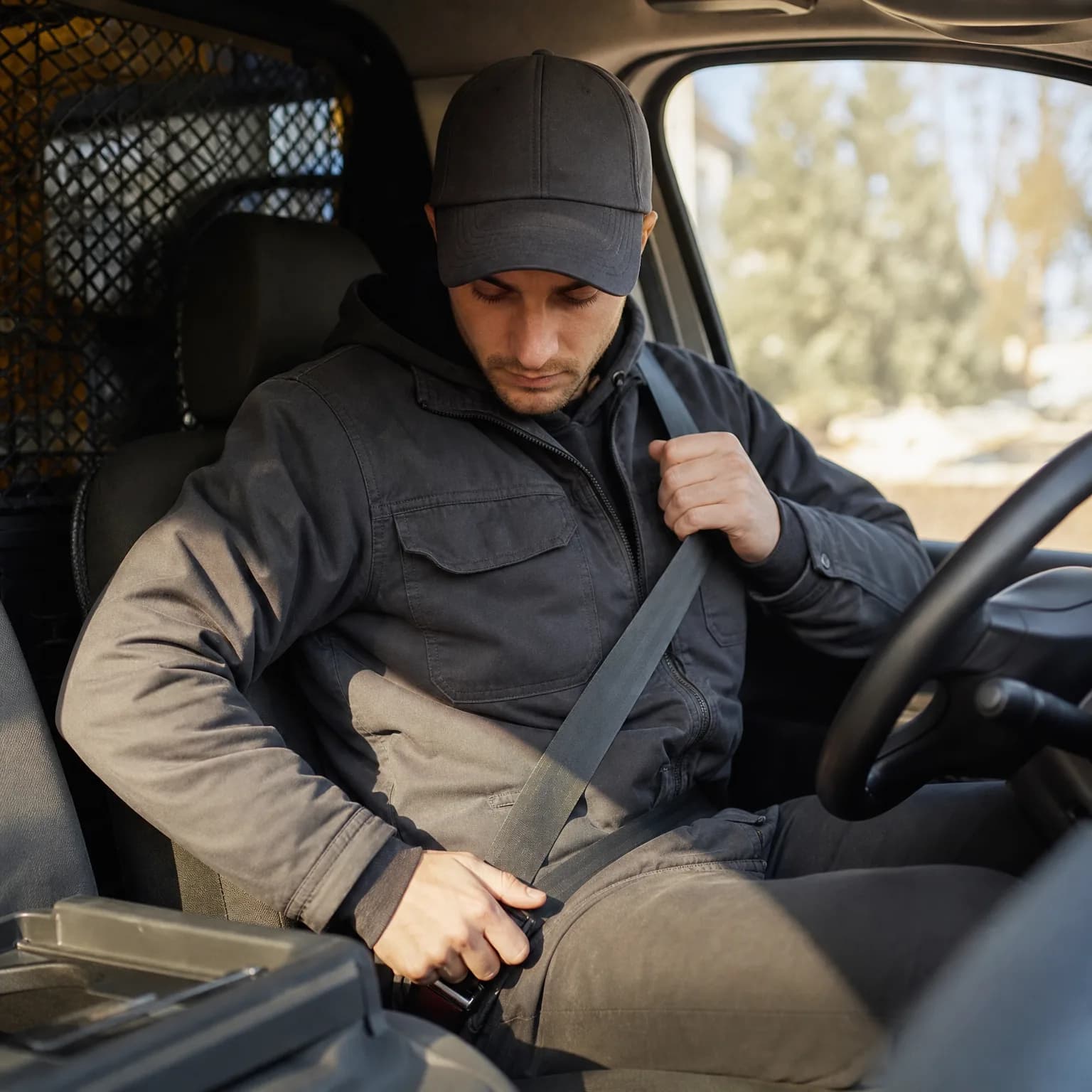
Add the base reinstatement fee ($25), the original uninsured driving ticket fine (typically $75 to $300 depending on county and whether it was a lapse detection or a traffic stop), the SR-22 filing fee ($15 to $50), and 3 years of non-owner SR-22 premiums ($30 to $60/month × 36 months = $1,080 to $2,160). Total cost over the 3-year filing period: $1,195 to $2,535.
If you let the non-owner SR-22 policy lapse during the 3-year period, the ITD re-suspends your license, charges a new reinstatement fee, and resets the 3-year SR-22 requirement from the date you refile. One missed payment can cost you an additional $25 reinstatement fee and restart the entire 3-year clock.
Idaho does not offer payment plans for the reinstatement fee itself, but most carriers allow monthly premium payments on non-owner policies. Set up autopay to avoid accidental lapses. Check your ITD driver record 10 days after the carrier files the SR-22 to confirm the filing appears on your record. If it doesn't show, contact the carrier and the ITD immediately.

What Happens If You Buy a Car During the SR-22 Filing Period
If you purchase a vehicle while maintaining non-owner SR-22, call your carrier immediately. Non-owner policies exclude coverage for vehicles you own or regularly operate. You must convert to a standard owner SR-22 policy that names the vehicle, or buy a separate owner policy with SR-22 and cancel the non-owner policy.
The carrier will file an SR-22 cancellation notice for the non-owner policy and file a new SR-22 certificate for the owner policy. The ITD receives both filings electronically. As long as there is no gap between the cancellation and the new filing, your SR-22 compliance remains uninterrupted and the 3-year clock continues without reset.
If you cancel the non-owner policy before securing the new owner SR-22 policy, the ITD receives the cancellation notice first, re-suspends your license, and resets the 3-year SR-22 requirement. Coordinate the transition with your carrier to ensure the new SR-22 filing posts before the old one cancels.
Frequently Asked Questions
Can I get a restricted license in Idaho with non-owner SR-22?
Most Idaho courts deny restricted license petitions when the applicant does not own or have regular access to a specific vehicle. Non-owner SR-22 proves you carry liability coverage, but Idaho courts typically require a named vehicle for restricted licenses. You can reinstate your full license after the suspension ends by maintaining non-owner SR-22 for 3 years, but hardship driving during suspension usually requires access to a specific insured vehicle.
How long does Idaho require SR-22 filing after an uninsured driving suspension?
What is the cheapest non-owner SR-22 insurance in Idaho?
Non-owner SR-22 premiums in Idaho typically range from $30 to $60 per month for minimum liability limits. Progressive, Dairyland, The General, and GAINSCO consistently quote competitive rates for non-owner SR-22. Actual cost depends on your age, violation history, and county. Get quotes from at least three carriers to find the lowest rate.
Does non-owner SR-22 cover rental cars in Idaho?
Yes, non-owner SR-22 provides liability coverage when you drive a rental car in Idaho, up to your policy limits. It does not cover damage to the rental car itself. Rental companies typically require you to buy their collision damage waiver separately. Non-owner SR-22 satisfies Idaho's minimum liability requirement for any vehicle you drive that you don't own.
What happens if I move out of Idaho during the SR-22 filing period?
If you move to another state during Idaho's 3-year SR-22 requirement, contact the ITD and your new state's DMV immediately. Most states honor out-of-state SR-22 filings, but some require you to refile with a carrier licensed in your new state. Idaho's 3-year requirement follows you. If you cancel your Idaho SR-22 before satisfying the full 3 years, Idaho will suspend your Idaho driving privileges and may flag your record in the national NDSR database.
Can I use non-owner SR-22 to reinstate my Idaho CDL?
Non-owner SR-22 satisfies Idaho's financial responsibility requirement for a standard Class D license, but it does not reinstate a suspended commercial driver's license (CDL). CDL reinstatement after an uninsured suspension requires proof of insurance on a commercial vehicle or proof that you no longer drive commercially. Contact the Idaho Transportation Department CDL unit at (208) 334-8736 for CDL-specific reinstatement requirements.
Related Articles
Idaho Uninsured Suspension: SR-22 Filing Period
5/17/2026

Non-Owner SR-22 Utah After Uninsured Suspension
5/17/2026

Non-Owner SR-22 After Uninsured Suspension Guide
5/17/2026
Reinstate With No Car: Non-Owner SR-22 After Suspension
5/17/2026

Non-Owner SR-22 in Colorado Without a Car
5/17/2026

Non-Owner SR-22 Iowa After Uninsured Suspension
5/17/2026