
Non-Owner SR-22 in Florida After Uninsured Suspension With Car Sold
Get My Reinstatement SR-22 QuoteFlorida DHSMV Requires SR-22 Filing Even When You No Longer Own the Vehicle
Florida Statutes § 324.0221 triggers automatic license suspension when DHSMV receives electronic notice through the Florida Insurance Tracking System (FITS) that your policy cancelled and your vehicle remains registered. Selling the car after the lapse doesn't cancel the filing requirement. DHSMV suspended your license because you violated the continuous-coverage mandate, and reinstatement under § 324.0221(2) still requires proof of financial responsibility through an SR-22 certificate.
Non-owner SR-22 policies exist specifically for this situation. The policy provides liability coverage when you drive a vehicle you don't own, and the SR-22 certificate attached to it proves to DHSMV that you carry the state-mandated minimums: $10,000 property damage liability and $10,000 personal injury protection. The non-owner policy doesn't insure a specific vehicle—it follows you as the named insured.
Florida processes non-owner SR-22 filings identically to standard SR-22 filings. The carrier submits the certificate electronically to DHSMV, DHSMV updates your driver record to show active financial responsibility, and you become eligible to pay the reinstatement fee and apply for license restoration. The vehicle-sale timeline doesn't matter to the state—only the filing and fee payment matter.
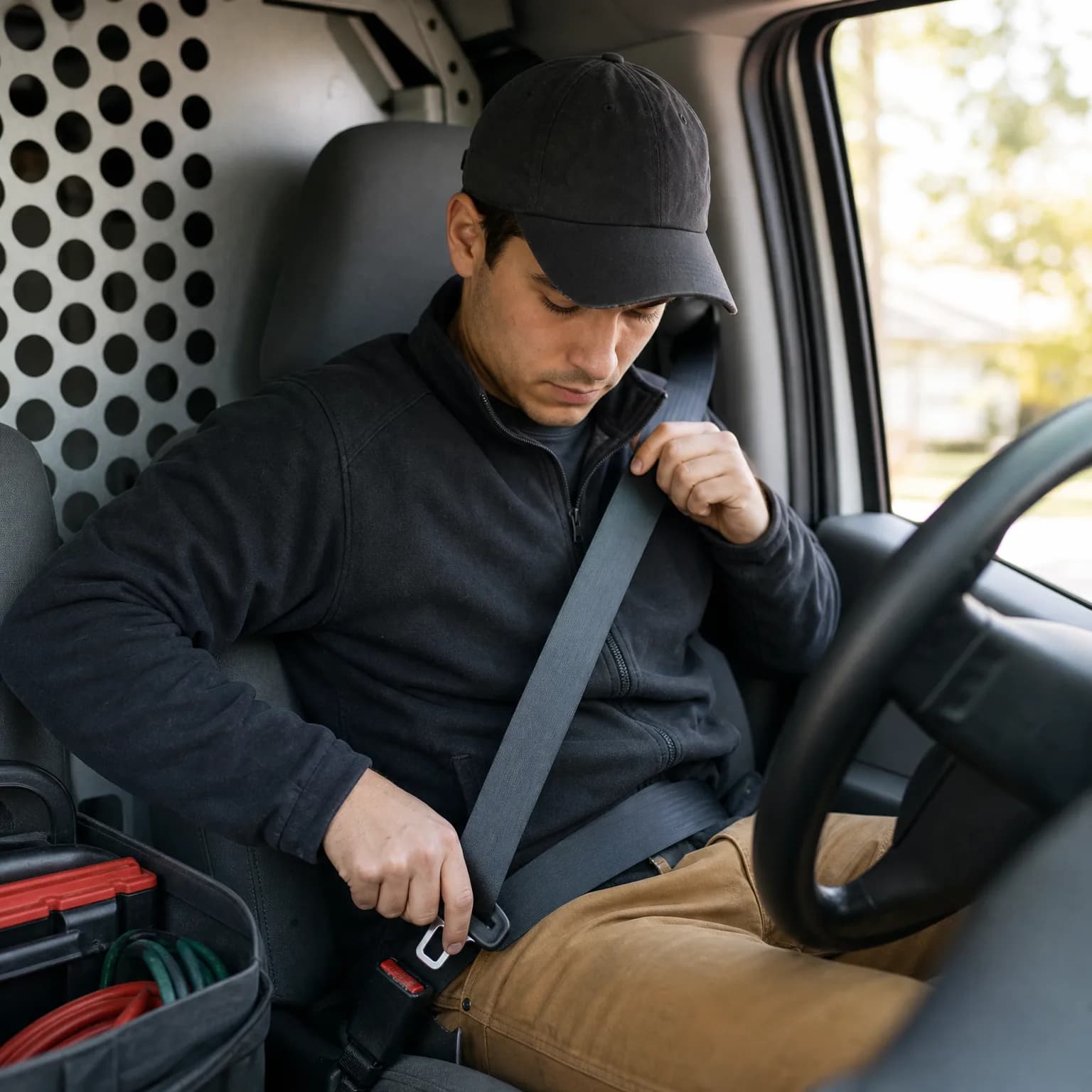
What Non-Owner SR-22 Covers and What It Costs in Florida
A non-owner SR-22 policy in Florida provides liability coverage only: $10,000 property damage and $10,000 PIP as required by state law, plus optional bodily injury limits if you choose higher coverage. It does not provide collision, comprehensive, or coverage for a vehicle you own or regularly use. If you borrow a car, the owner's policy covers the vehicle itself, and your non-owner policy functions as secondary liability coverage.
Monthly premiums for non-owner SR-22 in Florida after an uninsured suspension typically range from $35 to $85 per month, depending on your driving history, age, and county. The SR-22 filing fee—charged once by the carrier to submit the certificate to DHSMV—ranges from $15 to $50. Add Florida's lapse reinstatement fee: $150 for a first lapse, $250 for a second, $500 for a third or subsequent lapse within three years.
Total first-year cost for non-owner SR-22 after selling your car: approximately $570 to $1,220, including 12 months of premiums, the filing fee, and the reinstatement fee. You must maintain the policy continuously for the full filing period Florida assigns—typically three years after an uninsured suspension. If the policy lapses at any point during those three years, DHSMV receives automatic cancellation notice through FITS and suspends your license again.

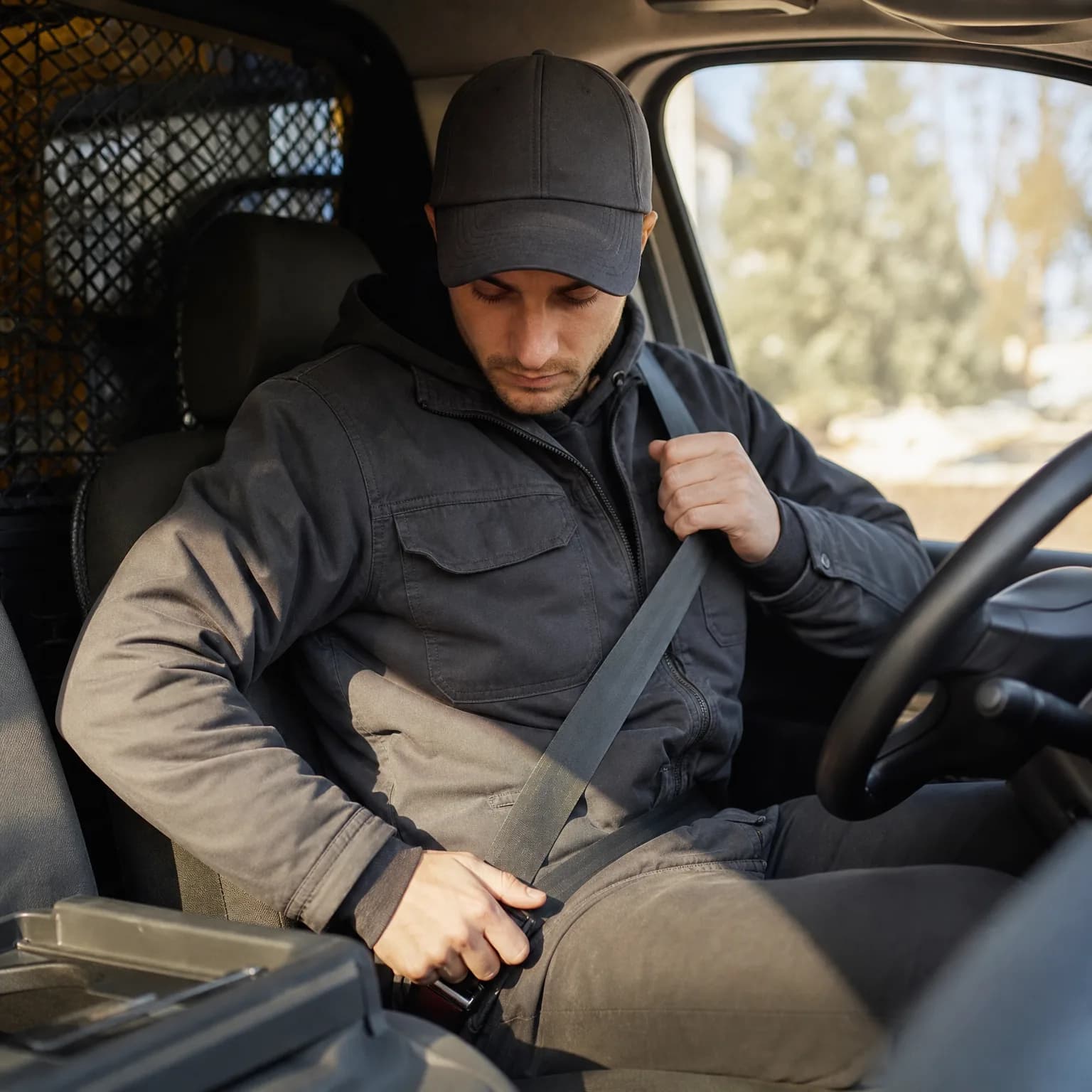
The Reinstatement Sequence: SR-22 Filing First, Then Fee Payment
Florida DHSMV will not process your reinstatement application until both the SR-22 filing and the lapse reinstatement fee are satisfied. Purchase a non-owner SR-22 policy from a Florida-licensed carrier. The carrier electronically submits the SR-22 certificate to DHSMV, usually within 24 to 72 hours of policy purchase. DHSMV's system updates your driver record to show proof of financial responsibility on file.
Once the SR-22 posts to your record, pay the reinstatement fee. For insurance-lapse suspensions eligible for online reinstatement, use DHSMV's online reinstatement portal at flhsmv.gov. Enter your driver license number, review the suspension details and fees owed, and pay by credit or debit card. DHSMV processes online reinstatements within one to three business days. For suspensions requiring in-person reinstatement, visit a local driver license office with your SR-22 confirmation, photo ID, and payment for the reinstatement fee.
DHSMV will not lift the suspension until the SR-22 filing appears in their system. Paying the reinstatement fee before securing the policy does not advance the timeline—you'll still wait for the filing to post. Complete the SR-22 purchase first, confirm the carrier submitted the certificate, then proceed to fee payment.

Fix the Lapse That Cost You Your License
Get My Reinstatement SR-22 QuoteCarriers Writing Non-Owner SR-22 in Florida and How to Compare Quotes
Geico, Progressive, The General, Dairyland, and Bristol West write non-owner SR-22 policies in Florida and accept applications from drivers with uninsured-suspension records. Not all carriers offer non-owner products—State Farm, Allstate, and Nationwide write SR-22 filings but require you to own a vehicle for standard policy eligibility. Direct Auto and GAINSCO write non-standard auto insurance but do not consistently offer non-owner SR-22 in all Florida counties.
Request quotes from at least three carriers. Provide your driver license number, suspension notice details, and confirmation that you do not currently own a vehicle. Ask each carrier to confirm they will file the SR-22 certificate electronically with Florida DHSMV and clarify the filing fee. Compare monthly premiums, filing fees, and payment plan options. Some carriers require full six-month premium payment upfront; others allow monthly installments with a small processing fee.
Once you select a carrier and purchase the policy, request written confirmation of the SR-22 filing submission. Most carriers email a certificate copy or policy declaration page showing the SR-22 endorsement. This document does not replace the electronic filing—DHSMV only recognizes filings submitted directly to their system—but it confirms the carrier initiated the process. Check your DHSMV driver record online three to five days after purchase to verify the SR-22 posting.

What Happens If You Let the Non-Owner Policy Lapse During the Filing Period
Florida requires continuous SR-22 filing for three years after an uninsured suspension. If your non-owner SR-22 policy cancels for non-payment or you request cancellation before the three-year period ends, the carrier electronically notifies DHSMV through FITS within 24 hours. DHSMV suspends your license again immediately, and you return to square one: new reinstatement fee, new SR-22 filing, new processing delay.
The three-year clock does not pause when you let the policy lapse. Florida measures the filing period from the date of your original reinstatement, not from the date you re-file after a lapse. Lapsing twice during the original three-year period means you pay two additional reinstatement fees—$150 for the first re-lapse, $250 for the second—on top of maintaining the policy continuously.
Set up automatic payment through your carrier's online portal or bank account to prevent missed premiums. If financial hardship makes monthly payments difficult, contact the carrier to request a payment plan adjustment before the policy cancels. Most carriers offer payment extensions or reduced installment schedules rather than immediate cancellation. A lapse during the filing period costs significantly more than maintaining the policy: reinstatement fees, new filing fees, and premium increases for a second lapse on your record.

Non-Owner SR-22 Does Not Prevent You From Buying a Car Later
You can purchase a vehicle while carrying a non-owner SR-22 policy. When you buy the car and register it with Florida DHSMV, notify your insurance carrier immediately. The carrier will convert your non-owner SR-22 policy to a standard auto insurance policy covering the newly purchased vehicle, maintaining the SR-22 filing without interruption.
The SR-22 filing requirement transfers to the new policy automatically. Your carrier updates the certificate on file with DHSMV to reflect the vehicle identification number, coverage effective date, and policy number for the standard policy. DHSMV's system records the updated filing, and your three-year SR-22 clock continues from the original reinstatement date—no reset, no additional filing fee for the policy conversion.
If you switch carriers after buying a car, purchase the new standard policy before cancelling the non-owner policy. Request that the new carrier file an SR-22 certificate with DHSMV before the old policy ends. A gap between cancellation and new filing—even one day—triggers automatic suspension and requires another reinstatement cycle. Coordinate the timing carefully: new policy effective date, SR-22 filing confirmation from the new carrier, then cancellation of the old non-owner policy.
Frequently Asked Questions
Can I get my Florida license back without buying a car after an uninsured suspension?
Yes. Florida accepts non-owner SR-22 policies for reinstatement after uninsured suspensions under § 324.0221. The policy provides liability coverage when you drive vehicles you don't own, and the SR-22 certificate proves financial responsibility to DHSMV without requiring vehicle ownership.
How long does Florida require SR-22 filing after an uninsured driving suspension?
Florida typically requires three years of continuous SR-22 filing after an uninsured suspension. The filing period begins on your reinstatement date, not your suspension date. If the policy lapses during those three years, DHSMV suspends your license again and the clock does not reset—you still owe the remaining time from the original period.
What is the total cost to reinstate a Florida license after selling my car during an uninsured suspension?
Total first-year cost: approximately $570 to $1,220. This includes the lapse reinstatement fee ($150 first offense, $250 second, $500 third), the SR-22 filing fee ($15 to $50), and 12 months of non-owner SR-22 premiums ($35 to $85 per month). You must maintain the policy for the full three-year filing period Florida assigns.
Does Florida DHSMV accept non-owner SR-22 filings the same way as standard SR-22 filings?
Yes. DHSMV processes non-owner SR-22 certificates identically to standard SR-22 filings. The carrier submits the certificate electronically through FITS, DHSMV updates your driver record to show proof of financial responsibility, and you become eligible to pay the reinstatement fee and restore your license.
What happens if I buy a car while I still owe time on my Florida non-owner SR-22 filing period?
Notify your carrier immediately when you purchase and register a vehicle. The carrier converts your non-owner SR-22 policy to a standard auto policy covering the new car and updates the SR-22 certificate on file with DHSMV. Your three-year filing clock continues from the original reinstatement date without interruption or additional filing fees.
Which Florida carriers write non-owner SR-22 policies for drivers with uninsured suspension records?
Geico, Progressive, The General, Dairyland, and Bristol West write non-owner SR-22 policies in Florida and accept applications from uninsured-suspension drivers. Request quotes from at least three carriers and confirm each will file the SR-22 certificate electronically with DHSMV before purchasing.
Can I pay the Florida reinstatement fee before the SR-22 filing posts to my DHSMV record?
DHSMV will not process reinstatement until the SR-22 filing appears in their system. Purchase the non-owner SR-22 policy first, wait for the carrier to submit the certificate electronically (typically 24 to 72 hours), verify the filing posted to your driver record online, then pay the reinstatement fee through DHSMV's portal or at a driver license office.
Related Articles

Non-Owner SR-22 After Selling Your Car | No Vehicle Required
5/17/2026

Reinstate With No Car: Non-Owner SR-22 After Suspension
5/17/2026
Non-Owner SR-22 After Uninsured Suspension Explained
5/17/2026

Non-Owner SR-22 After Uninsured Suspension Guide
5/17/2026

Non-Owner SR-22 in Colorado Without a Car
5/17/2026

Non-Owner SR-22 After Vehicle Impound for No Insurance
5/17/2026