
Non-Owner SR-22 for Drivers Who Never Owned a Car After Suspension
Get My Reinstatement SR-22 QuoteWhy States Require SR-22 Filing From Drivers Who Never Owned a Vehicle
State DMVs enforce financial responsibility requirements against the driver, not the vehicle. If your license was suspended for driving uninsured, driving someone else's car without permission, or an accident while uninsured, the state requires proof you can cover liability damages before reinstating your license. SR-22 is that proof mechanism. The filing attaches to your driver's license record, not to a specific vehicle.
Most states impose SR-22 filing requirements for 1 to 3 years after an uninsured-driving suspension. The filing period starts when you purchase the policy and the insurer submits the SR-22 certificate to the state. If you let the policy lapse during the filing period, most states suspend your license again and reset the SR-22 clock from zero.
Non-owner SR-22 policies exist specifically for drivers who do not own a vehicle but need to satisfy state SR-22 filing requirements. The policy provides liability coverage when you drive a borrowed, rented, or employer-owned vehicle. It does not cover a vehicle you own or one registered in your household.
How Non-Owner SR-22 Policies Work and What They Cost
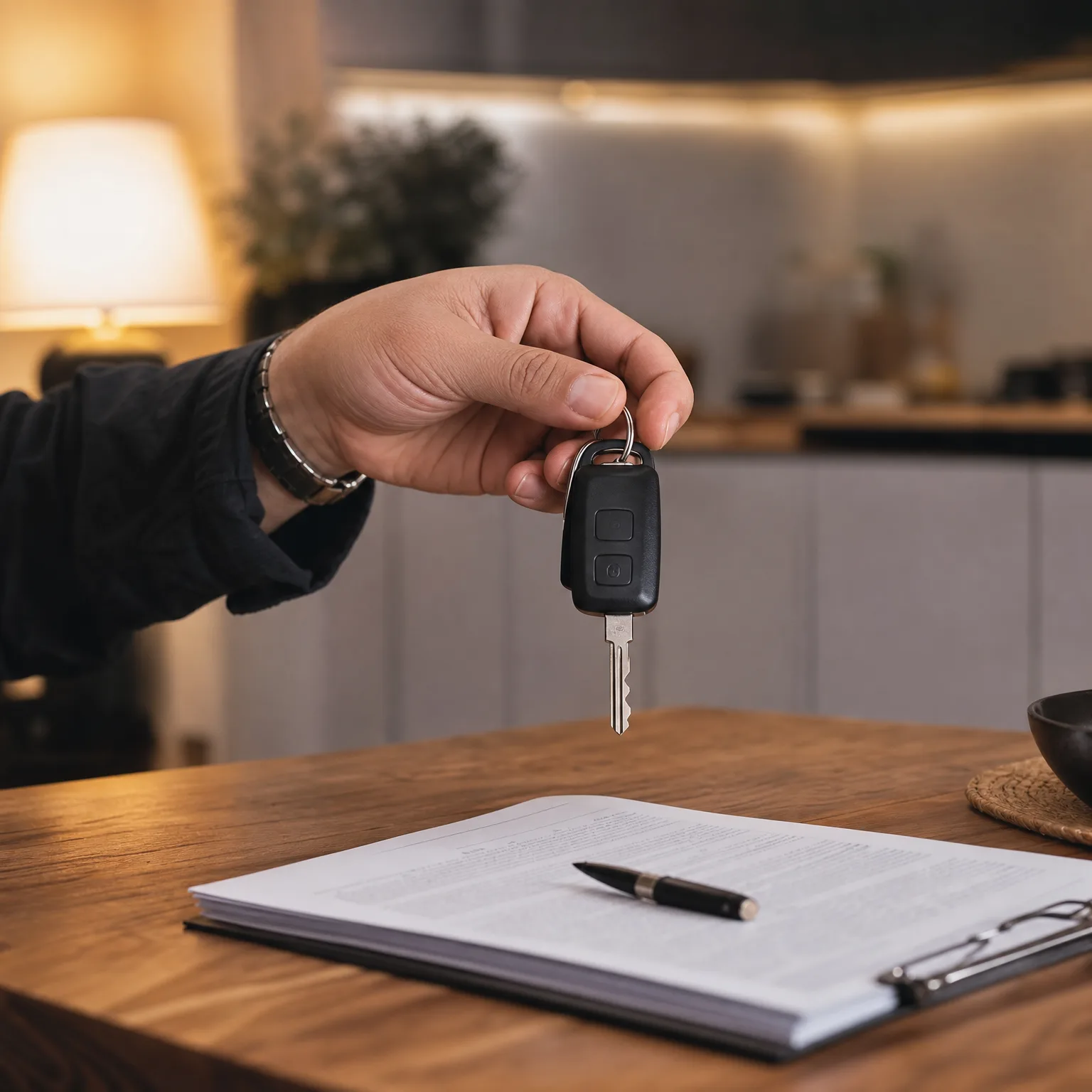
A non-owner SR-22 policy combines two components: liability insurance coverage and the SR-22 filing certificate. The insurer issues the certificate to your state DMV electronically, usually within 24 to 48 hours of policy purchase. The policy itself provides bodily injury and property damage liability coverage when you drive a vehicle you do not own.
Typical monthly premiums for non-owner SR-22 policies range from $35 to $85 per month, depending on your state, driving record, and the violation that triggered the suspension. Most insurers charge a one-time SR-22 filing fee of $15 to $50 on top of the premium. Total cost over a 3-year filing period typically runs $1,300 to $3,200.
Non-owner policies do not include collision, comprehensive, or uninsured motorist coverage. If you borrow a car and cause an accident, your non-owner policy pays for the other driver's injuries and property damage up to your policy limits. The vehicle owner's insurance covers damage to the borrowed vehicle itself. Most non-owner policies include minimum state liability limits, which may not be sufficient if you cause a serious accident. Increasing limits to 100/300/100 adds $10 to $25 per month but reduces personal financial risk.
State-Specific Non-Owner SR-22 Filing Requirements After Uninsured Suspensions
SR-22 filing periods vary by state and violation severity. First-offense uninsured-driving suspensions typically require 1 to 3 years of continuous SR-22 filing. Repeat offenses, accidents while uninsured, or suspensions combined with other violations often extend the filing period to 5 years.
Some states process SR-22 filings through the DMV directly. Others require court approval before the DMV will accept the filing. A few states do not participate in the SR-22 system at all and use alternative financial responsibility mechanisms. As of current state requirements, Delaware, Kentucky, Minnesota, New Mexico, New York, North Carolina, Oklahoma, and Pennsylvania use different forms or processes. Verify your state's specific filing mechanism before purchasing a policy.
If you move to a new state during your SR-22 filing period, most states require you to transfer the filing to your new state of residence. This means canceling your original policy, purchasing a new non-owner policy in your new state, and requesting a new SR-22 filing with your new state's DMV. Some states honor out-of-state SR-22 filings temporarily, but relying on this creates reinstatement complications. Transfer the filing within 30 days of moving to avoid gaps that reset your filing clock.

Fix the Lapse That Cost You Your License
Get My Reinstatement SR-22 QuoteWhat Happens If Your Non-Owner SR-22 Policy Lapses
Most states treat a lapsed SR-22 policy as immediate grounds for re-suspension. When you cancel a policy or miss a payment, the insurer notifies the state DMV electronically within 24 hours. The DMV suspends your license again, usually without additional notice. Re-lapsing during the filing period resets the SR-22 clock in many states, meaning you start the entire filing period over from the date you reinstate coverage.
Re-lapsing also increases your premium. Insurers classify drivers who let SR-22 policies lapse as higher risk, and second-attempt non-owner policies often cost 20% to 40% more than the original policy. Some insurers decline to write non-owner SR-22 policies for drivers with lapse history at all, forcing you into the non-standard market where premiums run higher.
If you need to cancel your policy for any reason, contact your insurer first and request a replacement policy from another carrier before the cancellation takes effect. Most insurers allow a grace period of 24 to 72 hours between the old policy's cancellation and the new policy's effective date without triggering a DMV notification, but this is not guaranteed. Maintaining continuous coverage without gaps is the only reliable way to avoid resetting your filing period.

Switching From Non-Owner SR-22 to Standard Auto Insurance
If you purchase a vehicle during your SR-22 filing period, you must switch from a non-owner policy to a standard auto insurance policy and transfer the SR-22 filing to the new policy. Non-owner policies exclude coverage for vehicles you own, so driving your newly purchased car under a non-owner policy leaves you uninsured and violates your SR-22 filing requirement.
Contact your insurer immediately after purchasing a vehicle. Most insurers allow you to convert a non-owner policy to a standard policy mid-term without penalty. The insurer cancels the non-owner SR-22 filing, issues a new SR-22 filing under the standard policy, and submits both filings to the state DMV on the same day to avoid a gap. Expect your premium to increase significantly when you add a vehicle, especially if the suspension was for an uninsured accident.
If your current insurer does not write standard auto policies or quotes a rate you cannot afford, shop for a new carrier before canceling your non-owner policy. Request the new insurer to backdate the effective date of the standard policy to match the cancellation date of the non-owner policy. This prevents a filing gap that would trigger re-suspension. Not all insurers allow backdating, so confirm this during the quote process.

Finding Non-Owner SR-22 Coverage After an Uninsured Suspension
Not all insurers write non-owner SR-22 policies. Large standard carriers often decline to offer non-owner coverage in states where SR-22 filing is required, or they price it prohibitively high to discourage applications. Non-standard and regional carriers dominate the non-owner SR-22 market, and rates vary significantly by carrier even within the same state.
When shopping for non-owner SR-22 coverage, request quotes from at least three carriers. Provide your exact suspension reason, the SR-22 filing period your state requires, and your driving record for the past 5 years. Some carriers specialize in post-suspension drivers and offer better rates than general-market insurers. Independent agents who work with multiple non-standard carriers can often find lower rates than direct-to-consumer carriers.
Verify the insurer is authorized to file SR-22 certificates in your state before purchasing. A few unlicensed or out-of-state insurers advertise non-owner SR-22 policies online but cannot file valid SR-22 certificates with your state DMV. Your state's Department of Insurance website maintains a list of licensed insurers authorized to file SR-22 certificates. Use that list to confirm the insurer's status before committing to a policy.
Frequently Asked Questions
Can I get non-owner SR-22 insurance if I've never had a driver's license?
Most states require you to hold a valid or suspended driver's license before an insurer will issue a non-owner SR-22 policy. If you have never been licensed, you typically must apply for a license first, satisfy any testing or educational requirements, and then purchase the non-owner SR-22 policy as part of the reinstatement process. A few states allow SR-22 filing before initial licensure in limited circumstances, but this is rare.
Does non-owner SR-22 insurance cover rental cars?
Yes, non-owner SR-22 policies provide liability coverage when you drive a rental car, but they do not cover damage to the rental vehicle itself. Most rental companies require you to purchase their collision damage waiver to cover the rental car, or you can decline it if you have a credit card that provides rental car damage coverage. Your non-owner policy only pays for injuries and property damage you cause to other people.
How long does it take for the SR-22 filing to reach the DMV after I buy a policy?
Most insurers submit SR-22 filings electronically to the state DMV within 24 to 48 hours of policy purchase. A few states still process paper SR-22 forms, which can take 5 to 10 business days to reach the DMV. Contact your state DMV 3 to 5 days after purchasing the policy to confirm they received the filing before you apply for license reinstatement.
What happens if I drive without a non-owner SR-22 policy during the filing period?
Driving without an active SR-22 policy during the filing period violates your reinstatement terms and triggers automatic re-suspension in most states. If you are stopped by law enforcement, you face additional penalties for driving on a suspended license, which can include jail time, vehicle impoundment, and extended SR-22 filing periods. Maintain continuous coverage for the entire filing period even if you do not plan to drive.
Can I cancel my non-owner SR-22 policy once my filing period ends?
Yes, once your state-required SR-22 filing period ends, you can cancel the non-owner policy without penalty. Verify the exact filing end date with your state DMV before canceling, because many drivers miscalculate the end date and trigger re-suspension. If you do not own a vehicle and do not plan to drive regularly, you are not legally required to maintain insurance after the filing period ends, but you will have no liability coverage if you borrow or rent a car.
Do non-owner SR-22 policies cover me if I drive a car owned by someone in my household?
No, most non-owner SR-22 policies exclude coverage for vehicles owned by anyone in your household. If you live with someone who owns a car, you typically must be added as a named driver on their auto insurance policy instead of purchasing a non-owner policy. Some insurers will issue a non-owner policy even if you live in a household with a vehicle, but the policy will not cover you when you drive that household vehicle.
Related Articles

Reinstate With No Car: Non-Owner SR-22 After Suspension
5/17/2026
Non-Owner SR-22 After Uninsured Suspension Explained
5/17/2026
Non-Owner SR-22 After Uninsured Suspension Guide
5/17/2026
Non-Owner SR-22 After Selling Your Car | No Vehicle Required
5/17/2026

Non-Owner SR-22 Illinois Uninsured Suspension No Car
5/17/2026
Non-Owner SR-22 Cost After Uninsured Suspension
5/17/2026