
Minnesota Limited License vs Full Reinstatement After Uninsured Suspension
Get My Reinstatement SR-22 QuoteWhy Minnesota's Limited License Path Is Harder for Uninsured Drivers Than DWI Cases
Minnesota's Limited License is granted entirely at the discretion of district court judges under Minn. Stat. § 171.30, not the DVS. Judges weigh public safety risk differently for DWI offenders versus uninsured drivers. DWI cases come with mandatory chemical dependency evaluation, ignition interlock requirements, and structured supervision. Uninsured driving cases lack this framework, so judges often perceive them as voluntary non-compliance rather than substance-driven impairment.
This discretion gap means two drivers sitting in the same courthouse on the same day can receive opposite outcomes based on their suspension trigger. A first-offense DWI driver who completes chemical dependency assessment and installs an ignition interlock device may receive approval. An uninsured driver who missed two insurance payments during a job loss may be denied, even though the underlying offense carries lighter statutory penalties.
The court views DWI cases through a rehabilitation lens. Uninsured cases are viewed through a compliance lens. The petition you file must address this framing directly: why your uninsured status was situational, what concrete steps you've taken to maintain continuous coverage now, and why granting limited driving privileges serves public safety rather than undermining it. Generic hardship narratives fail at this stage.

What Full Reinstatement Requires After an Uninsured Suspension in Minnesota
Full reinstatement after an uninsured suspension requires three components: serving the full suspension period (typically 30 to 90 days for a first offense, longer for repeat violations), paying the $30 DVS reinstatement fee, and filing proof of SR-22 financial responsibility with the DVS for three years post-reinstatement.
The SR-22 certificate must be filed by a Minnesota-licensed insurance carrier before DVS will process your reinstatement application. Minnesota uses an electronic insurance verification system (EIVS) that cross-references your SR-22 filing against your driver's license record. The filing appears in the DVS system within 24 to 48 hours of your insurer submitting it, but reinstatement processing itself takes approximately 7 to 10 business days once all documents are submitted.
If you no longer own a vehicle or lost your car to impound during the suspension, you can satisfy the SR-22 requirement with a non-owner SR-22 policy. Non-owner policies provide liability coverage when you drive a vehicle you do not own, and they meet Minnesota's SR-22 filing requirement. Premiums for non-owner SR-22 policies in Minnesota typically range from $40 to $85 per month, substantially lower than standard auto policies with SR-22 endorsements.
Reinstatement becomes effective the day DVS completes processing, not the day you apply. Budget for the full suspension period plus processing lag when planning your timeline back to legal driving.

Minnesota's Limited License Petition Process and Court-Defined Restrictions
Petitioning for a Limited License requires filing directly with the district court in the county where you reside, not with DVS. The court requires proof of employment or medical necessity or school enrollment, proof of SR-22 insurance (if your suspension type requires it), a statement of hardship explaining why you cannot use public transportation or rideshare, and any supporting documentation the court requests. There is no standardized petition form statewide; many counties provide templates on their court websites, but some require you to draft the petition yourself or hire an attorney.
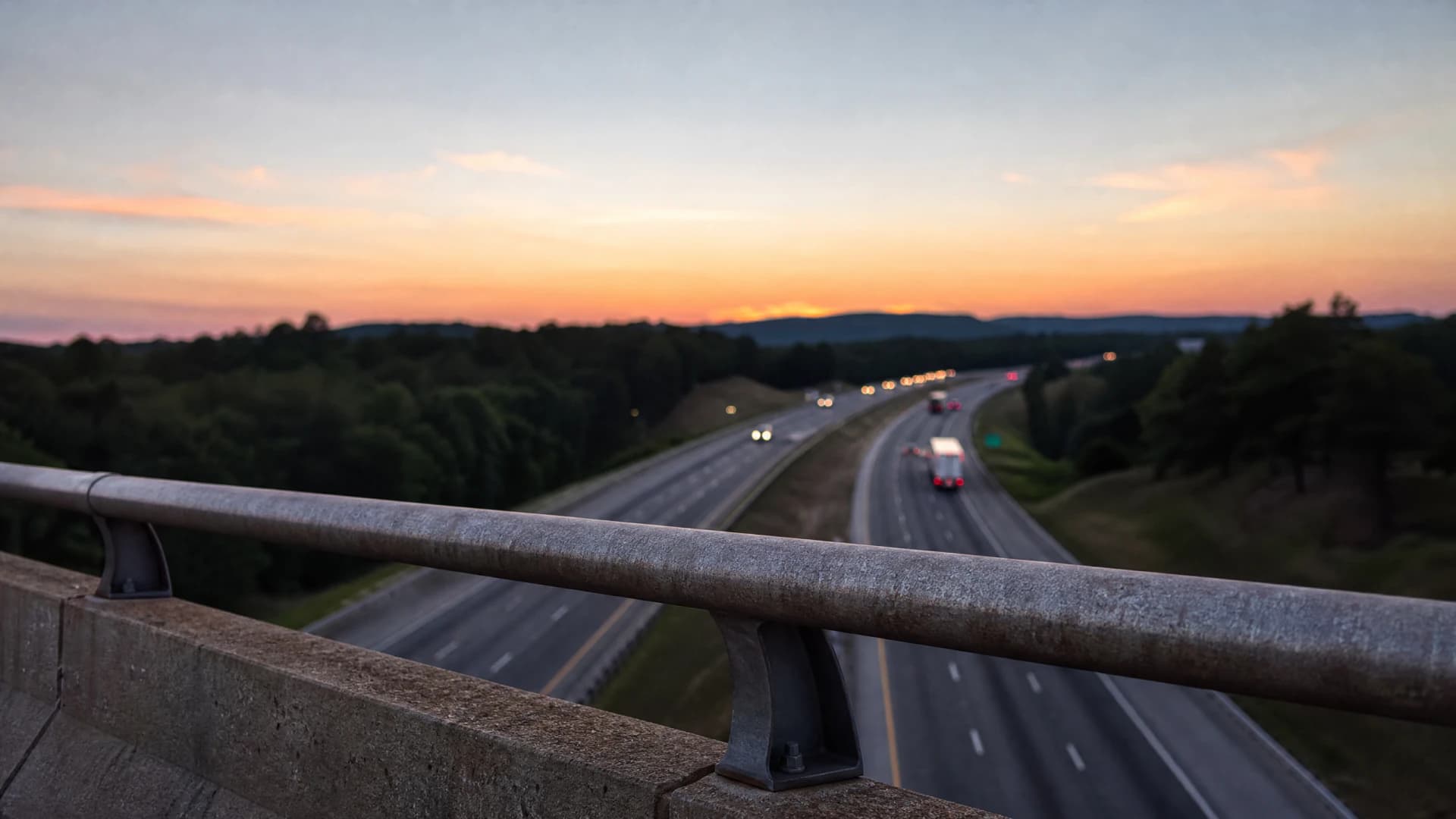
The court defines the specific routes, purposes, and hours you are permitted to drive. Typical approved purposes include employment, medical treatment, school, chemical dependency treatment, and court-ordered programs. The court order specifies the days of the week, the time windows (usually matching your work schedule or appointment times), and the physical routes you are allowed to travel. Driving outside these parameters is a separate criminal offense under Minnesota law, punishable by additional license suspension and potential jail time.
Processing time varies by county. Hennepin and Ramsey counties typically schedule hearings within 3 to 5 weeks of filing. Rural counties may take 6 to 8 weeks. You must appear in person for the hearing unless the judge waives appearance, which is rare for initial petitions. Legal representation is not required but improves approval rates significantly, particularly for uninsured-cause suspensions where judges exercise more discretion.
If your petition is denied, you can refile after addressing the issues the judge cited in the denial order, or you can wait for full reinstatement eligibility. Many drivers who receive denials choose to wait rather than refile, particularly when the remaining suspension period is under 60 days.
Cost Comparison: Limited License Pathway vs Full Reinstatement
The Limited License pathway involves court filing fees (typically $75 to $150 depending on county), SR-22 insurance for the duration of the Limited License plus three years post-reinstatement, potential attorney fees ($500 to $1,200 for petition drafting and hearing representation), and the $30 DVS reinstatement fee once the Limited License period ends and you apply for full reinstatement. Total upfront cost before monthly SR-22 premiums: $605 to $1,380.
The full reinstatement pathway without a Limited License requires only the $30 DVS reinstatement fee and SR-22 insurance for three years post-reinstatement. If you use a non-owner SR-22 policy during the suspension period and switch to a standard policy with SR-22 endorsement after reinstatement, your total upfront cost is $30 plus first-month premium. Total cost over the three-year SR-22 filing period depends on your driving record and vehicle, but budget approximately $2,200 to $4,800 for the entire filing period.
The Limited License pathway costs more upfront and offers no guaranteed approval. The full reinstatement pathway costs less upfront, has no discretionary denial risk, and results in unrestricted driving privileges once the suspension period ends. For drivers facing suspensions under 90 days, the full reinstatement timeline is often shorter than the Limited License petition and hearing process.
If your employer requires immediate driving for work and cannot accommodate a 60- to 90-day suspension, the Limited License pathway may be worth the cost and uncertainty. If you can arrange alternative transportation during the suspension period, waiting for full reinstatement saves money and removes discretionary approval risk.

Fix the Lapse That Cost You Your License
Get My Reinstatement SR-22 Quote
SR-22 Filing Requirements and What Happens If Your Policy Lapses Again
Minnesota requires SR-22 filing for three years after reinstatement from an uninsured driving suspension. The SR-22 is an endorsement your insurance carrier files with DVS certifying that you maintain at least Minnesota's minimum liability coverage: $30,000 bodily injury per person, $60,000 bodily injury per accident, $10,000 property damage, plus Personal Injury Protection (PIP) and uninsured motorist coverage as required under Minnesota's no-fault insurance law.
If your insurance policy lapses at any point during the three-year SR-22 filing period, your carrier is required to notify DVS electronically within 10 days of the lapse. DVS automatically suspends your license again upon receiving the lapse notification. There is no statutory grace period. You must obtain new coverage, have the new carrier file a new SR-22 certificate, pay a new reinstatement fee, and reapply for reinstatement. The three-year SR-22 clock does not reset in Minnesota after a lapse, but you lose driving privileges until you complete the reinstatement process again.
Non-owner SR-22 policies lapse under the same conditions as standard policies: non-payment of premium, fraud, or carrier cancellation. Maintaining continuous coverage during the filing period is not optional. Set up automatic payments and monitor your policy status monthly to avoid inadvertent lapses.
Once the three-year SR-22 period ends, your carrier files a termination notice with DVS and your SR-22 obligation is complete. Your insurance rates typically decrease at the next renewal after the SR-22 requirement is lifted, though your uninsured driving violation remains on your MVR for the period specified by Minnesota law.

When to Choose Full Reinstatement Over the Limited License Petition
Choose full reinstatement without petitioning for a Limited License if your suspension period is 60 days or less, you have access to alternative transportation during the suspension, your employer can accommodate a temporary non-driving role or remote work, or you have been denied a Limited License petition once already. The court discretion risk and upfront cost make Limited License petitions a poor choice for short suspensions.
Choose the Limited License pathway if your suspension exceeds 90 days, you have no viable alternative transportation in your county, your job requires driving and cannot be performed remotely or modified, or you need to attend medical treatment or court-ordered programs that public transit does not serve. The longer the suspension, the more the upfront petition cost amortizes across the restricted driving period.
Drivers in Hennepin, Ramsey, and Dakota counties benefit from faster court processing and more standardized petition forms, reducing legal costs and approval uncertainty. Drivers in rural counties face longer processing times and higher variability in judicial outcomes, making the full reinstatement pathway comparatively more attractive.
If your uninsured suspension resulted from financial hardship and you are still in a precarious financial position, the lower upfront cost of full reinstatement (no court fees, no attorney fees) is the safer path. If you can afford the petition costs and need immediate restricted driving privileges, the Limited License pathway is worth attempting, but prepare for the possibility of denial and the need to pursue full reinstatement anyway.
How to Get SR-22 Coverage That Meets Minnesota's Filing Requirement
SR-22 coverage in Minnesota must be issued by a carrier licensed to write auto insurance in the state and filed electronically with DVS. Not all carriers write SR-22 policies, and many standard-tier carriers decline drivers with recent uninsured suspensions. Carriers that commonly write SR-22 policies for Minnesota drivers include Progressive, GEICO, State Farm, The General, Dairyland, Bristol West, and National General.
If you currently own a vehicle, you need a standard auto insurance policy with an SR-22 endorsement. If you sold your vehicle, had it impounded, or never owned one, you need a non-owner SR-22 policy. Both policy types satisfy Minnesota's SR-22 filing requirement. Non-owner policies do not provide coverage for vehicles you own or vehicles available for your regular use in your household.
Request quotes from at least three carriers that write SR-22 policies in Minnesota. Premium variation for the same coverage profile can exceed 40% between carriers. Provide accurate information about your suspension, the violation that triggered it, and your current driving record. Misrepresenting your status to obtain lower quotes results in policy rescission and a new lapse notification to DVS.
Once you select a policy, the carrier files the SR-22 certificate with DVS electronically. Confirm with the carrier that the filing has been submitted and request a copy of the SR-22 certificate for your records. Check your DVS record online or by phone 48 hours after the carrier confirms filing to verify it appears in the system before you submit your reinstatement application.
Frequently Asked Questions
Can I get a Limited License in Minnesota if my suspension was for driving uninsured?
Yes, Minnesota allows Limited License petitions for uninsured driving suspensions under Minn. Stat. § 171.30, but approval is entirely at the discretion of the district court judge. Judges often deny petitions from uninsured-cause drivers more frequently than DWI cases because uninsured suspensions lack the structured rehabilitation framework that DWI cases carry. You must demonstrate genuine hardship, proof of current SR-22 insurance, and a compelling reason why limited driving privileges serve public safety.
How long does it take to get a Limited License approved in Minnesota?
Processing time varies by county. Hennepin and Ramsey counties typically schedule hearings within 3 to 5 weeks of filing your petition. Rural counties may take 6 to 8 weeks. You must appear in person for the hearing unless the judge waives appearance, which is rare for initial petitions. The judge issues the order at the hearing or within a few days afterward, and DVS processes the Limited License within 7 to 10 business days once they receive the court order.
What happens if I drive outside the approved hours on my Minnesota Limited License?
Driving outside the court-defined routes, purposes, or hours specified in your Limited License order is a separate criminal offense under Minnesota law. Conviction results in immediate revocation of the Limited License, extension of your underlying suspension, potential jail time, and additional fines. Law enforcement officers can verify your Limited License restrictions in real time during traffic stops, and violations are prosecuted aggressively.
Do I still need SR-22 insurance after my Minnesota Limited License ends?
Yes. Minnesota requires SR-22 filing for three years after full reinstatement from an uninsured driving suspension, regardless of whether you held a Limited License during the suspension period. The SR-22 clock begins on your full reinstatement date, not the date your Limited License was issued. Budget for three years of SR-22 premiums even if you used a Limited License for part of the suspension.
Can I use a non-owner SR-22 policy to satisfy Minnesota's Limited License SR-22 requirement?
Yes, if you do not own a vehicle. Non-owner SR-22 policies provide liability coverage when you drive a vehicle you do not own and satisfy Minnesota's SR-22 filing requirement for both Limited License petitions and full reinstatement. Premiums for non-owner SR-22 policies in Minnesota typically range from $40 to $85 per month, substantially lower than standard auto policies with SR-22 endorsements.
How much does it cost to get a Limited License in Minnesota after an uninsured suspension?
Court filing fees range from $75 to $150 depending on county. Attorney fees for petition drafting and hearing representation typically run $500 to $1,200. You also need SR-22 insurance during the Limited License period and for three years after full reinstatement, plus the $30 DVS reinstatement fee when the Limited License period ends. Total upfront cost before monthly SR-22 premiums: approximately $605 to $1,380.
What is faster in Minnesota: waiting for full reinstatement or petitioning for a Limited License?
For suspensions under 60 days, full reinstatement is typically faster because court petition processing takes 3 to 8 weeks depending on county. For suspensions over 90 days, a Limited License approved within 5 weeks gives you restricted driving privileges sooner than waiting for the full suspension period to end. The Limited License pathway carries denial risk, so drivers with short suspensions often choose to wait rather than petition.
Related Articles

MN License Reinstatement Cost After Insurance Lapse
5/17/2026

MN First-Offense Uninsured Suspension: SR-22 & Fees
5/17/2026

Non-Owner SR-22 MN After Uninsured Suspension
5/17/2026
MS First Uninsured Suspension: Restricted License Path
5/17/2026

Court vs DMV Reinstatement After Uninsured Suspension
5/17/2026

Reinstatement Hearing After Uninsured Suspension
5/17/2026