
Insurance Lapse Random Audit Catch: Respond Before Suspension Hits
Get My Reinstatement SR-22 QuoteWhat a Random Insurance Verification Letter Actually Means
The state's automated system pulled your name from vehicle registration records and cross-referenced it against active insurance policies reported by carriers. The mismatch triggered a verification request. The audit date on the letter is the specific day the system checked — not the day you received the letter, and often not a day you were actually uninsured.
This matters because many drivers receive audit letters weeks or months after switching carriers, canceling a policy on a sold vehicle, or updating coverage. The state database lags behind real-time policy changes. If you had valid coverage on the audit date but your new carrier hadn't reported it yet, you're not actually at fault — but you still need to respond with proof or the suspension proceeds automatically.
The response window is short: 10 days in some states, 30 days in others. Miss the deadline and your license suspends without another notice. You cannot appeal the suspension after the deadline passes without paying reinstatement fees and filing SR-22.
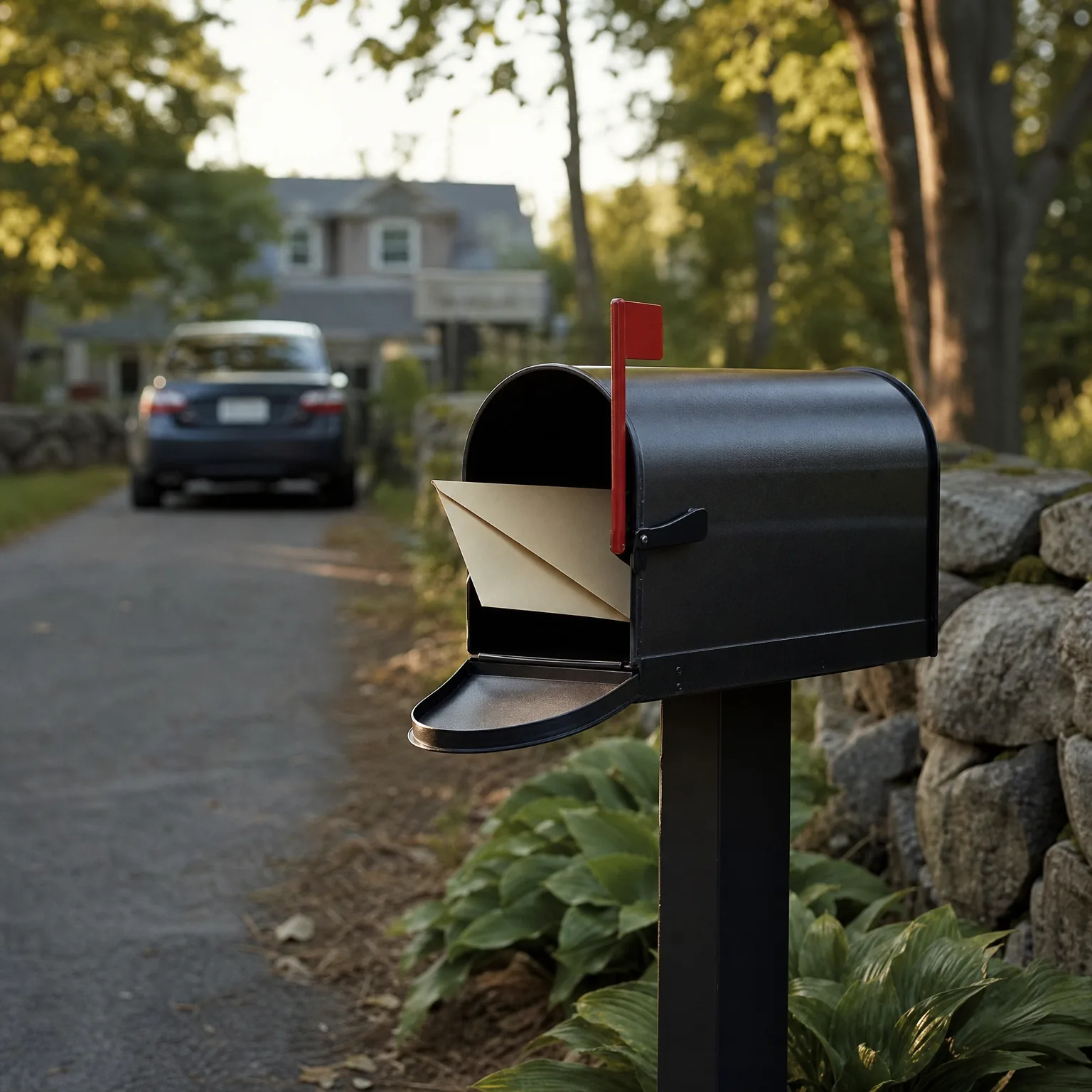
How to Respond With Proof of Coverage
Contact the carrier you had on the audit date listed in the letter — not your current carrier unless they're the same. Request a certificate of insurance or declarations page showing you were insured on that specific date. Most carriers provide this immediately by email or through their online portal.
Submit the proof to the address or online portal listed in the verification letter. Do not mail it to a general DMV address. Each state uses a dedicated insurance verification unit with its own processing queue. Mailing proof to the wrong address restarts your response clock.
If you genuinely had no coverage on the audit date, do not fabricate documentation or claim you were insured when you weren't. The state cross-checks your submission against carrier-reported data. Submit a letter explaining the gap and apply for a hearing if your state allows it. Some states suspend automatically for admitted lapses; others grant limited hardship driving privileges during the suspension period if you demonstrate need and obtain SR-22 coverage immediately.


What Happens If You Ignore the Letter
Your license suspends on the date stated in the letter, typically 10 to 30 days from the letter's issue date. The state does not send a second warning. Law enforcement systems update within 24 to 72 hours of the suspension effective date. If you're stopped driving after that date, you face a driving-while-suspended charge — a separate violation with its own fines, possible jail time, and mandatory SR-22 filing in most states.
Reinstatement after an ignored audit letter requires proof of current insurance, SR-22 filing for 1 to 3 years depending on your state, payment of reinstatement fees ranging from $50 to $250, and in some states completion of a financial responsibility course. The SR-22 filing requirement applies even if you had valid coverage on the audit date but failed to prove it in time.
Your vehicle registration may also suspend in states that tie registration to active insurance. You cannot renew registration, transfer title, or legally park the vehicle on public streets until reinstatement is complete.

Fix the Lapse That Cost You Your License
Get My Reinstatement SR-22 QuoteWhy Random Audits Catch Drivers Who Thought They Were Covered
Carrier reporting delays are the most common cause. When you switch insurers, your new carrier files proof of coverage with the state — but processing can take 7 to 21 days depending on the state's system and the carrier's reporting batch schedule. If the random audit runs during that window, the state sees no active policy and flags you.
Canceled policies on sold or totaled vehicles trigger audits if you don't update your registration status. Most states require you to either transfer the vehicle out of your name or file a non-operation affidavit within 10 to 30 days of canceling insurance. Skipping this step leaves an active registration with no reported coverage — exactly what the audit system flags.
Lapsed autopay or missed renewal notices catch drivers who assumed coverage continued. If your bank account changed, your card expired, or the carrier mailed renewal documents to an old address, your policy may have canceled without your knowledge. The audit letter is often the first notification.

SR-22 Filing Requirements After an Audit Suspension
If you fail to respond to the audit letter and your license suspends, SR-22 filing is required for reinstatement in most states. The filing period typically runs 1 to 3 years from the reinstatement date, not the suspension date. Some states extend the filing period to 5 years for repeat violations within a 3-year window.
SR-22 is a certificate your insurance carrier files with the state proving you carry at least minimum liability coverage. It costs $15 to $50 to file depending on the carrier, and premiums increase an average of 30% to 60% during the filing period because insurers classify SR-22 drivers as high-risk. If your policy lapses or cancels during the filing period, the carrier notifies the state within 24 hours and your license suspends again — resetting the SR-22 clock to day one in most states.
If you don't own a vehicle, you can satisfy SR-22 with a non-owner SR-22 policy. This covers you when driving borrowed or rental vehicles and meets the state's proof-of-financial-responsibility requirement without insuring a specific car.

State-Specific Audit Response Paths and Deadlines
California drivers receive an Insurance Verification Request Letter with a 15-day response window. Submit proof through the DMV's online portal or mail it to the Financial Responsibility Unit in Sacramento. If you had no coverage, you must pay a $14 suspension fee, obtain SR-22, and file proof of coverage before reinstatement.
Texas issues a Notice of Proposed Suspension of Driver License and Vehicle Registration with a 30-day response deadline. Mail proof to the Texas Department of Public Safety Motor Vehicle Division in Austin. Failure to respond triggers both license and registration suspension. Reinstatement requires $260 in fees, SR-22 filing, and proof of current insurance.
Florida sends a Notice of Insurance Cancellation or Lapse with a 10-day deadline. Submit proof through the Florida Highway Safety and Motor Vehicles online portal or mail it to the Bureau of Financial Responsibility. Florida does not offer hardship licenses for uninsured-cause suspensions — you must complete full reinstatement before any legal driving.
New York issues an FS-6 letter requiring response within 10 days. Submit proof to the DMV Insurance Services Bureau. New York suspends both your license and registration for ignoring the letter, and reinstatement fees total $158 plus SR-22 filing costs.
Frequently Asked Questions
Can I get a hardship license while my license is suspended for failing to respond to a random insurance audit?
It depends on your state. States like Florida, New Jersey, Pennsylvania, and Washington do not grant hardship licenses for uninsured-cause suspensions. States like Texas, Georgia, Illinois, and Ohio allow occupational or hardship licenses if you demonstrate employment need, obtain SR-22 coverage, and pay all fees before applying.
What if I had insurance on the audit date but my carrier went out of business or I can't reach them?
Contact your state's Department of Insurance to request carrier contact information or proof-of-coverage records. Most states maintain archives of carrier filings. If the carrier is defunct, the state insurance guaranty association may have records. Submit whatever documentation you can obtain along with a written explanation of the carrier's status.
Does responding to the audit letter stop the suspension even if I admit I had no coverage?
No. Responding shows good faith but does not prevent suspension if you were genuinely uninsured on the audit date. Your response may qualify you for a hearing in some states or allow you to apply for hardship driving privileges, but the suspension proceeds unless you prove coverage existed on the specific audit date.
How long does SR-22 filing last after a random audit suspension?
Typically 1 to 3 years depending on your state and whether this is a first or repeat uninsured violation. California requires 3 years. Texas requires 2 years. Florida requires 3 years. The filing period starts on your reinstatement date, not your suspension date, and resets if your policy lapses during the filing period.
Can I drive legally while waiting for the state to process my proof-of-coverage response?
Yes, as long as you submit your response before the deadline stated in the letter. Your license remains valid until the suspension effective date passes. If you submit proof on time and the state later confirms coverage, no suspension occurs. Do not drive after the suspension effective date even if you're waiting for the state to process your response.
What happens if the audit letter was mailed to an old address and I never received it?
The suspension proceeds regardless. States mail audit letters to the address on your driver license or vehicle registration. It's your legal responsibility to update your address within 10 to 30 days of moving. If you discover a missed audit letter after your license suspends, you must complete full reinstatement — proof of coverage, SR-22 filing, and payment of all fees.
Will my car insurance rates go up just because I received a random audit letter?
Receiving the letter does not affect your rates. Successfully responding with proof of coverage closes the audit with no penalty. If you ignore the letter and your license suspends, your rates increase an average of 30% to 60% during the SR-22 filing period because insurers classify suspended-license drivers as high-risk.
Related Articles

Ohio Random Insurance Letter: Respond Before Suspension
5/17/2026

What Triggers an Uninsured Suspension Letter
5/17/2026

AZ Random-Verification Audit: Uninsured Steps Now
5/17/2026

How States Detect Insurance Lapses: Verification Systems
5/17/2026

Insurance Lapse to License Reinstatement Timeline
5/17/2026

Ohio Random Insurance Verification Letter Explained
5/17/2026