How Non-Owner SR-22 Coverage Stacks After an Uninsured Suspension
Get My Reinstatement SR-22 QuoteWhy Non-Owner SR-22 Exists for Uninsured-Suspension Drivers
Non-owner SR-22 insurance provides liability coverage for drivers who don't own a vehicle but need to satisfy a state-mandated SR-22 filing requirement. If your license was suspended for driving uninsured, getting caught in a lapse, or failing a random insurance verification, the state requires proof you now carry continuous liability insurance—even if you no longer have a car.
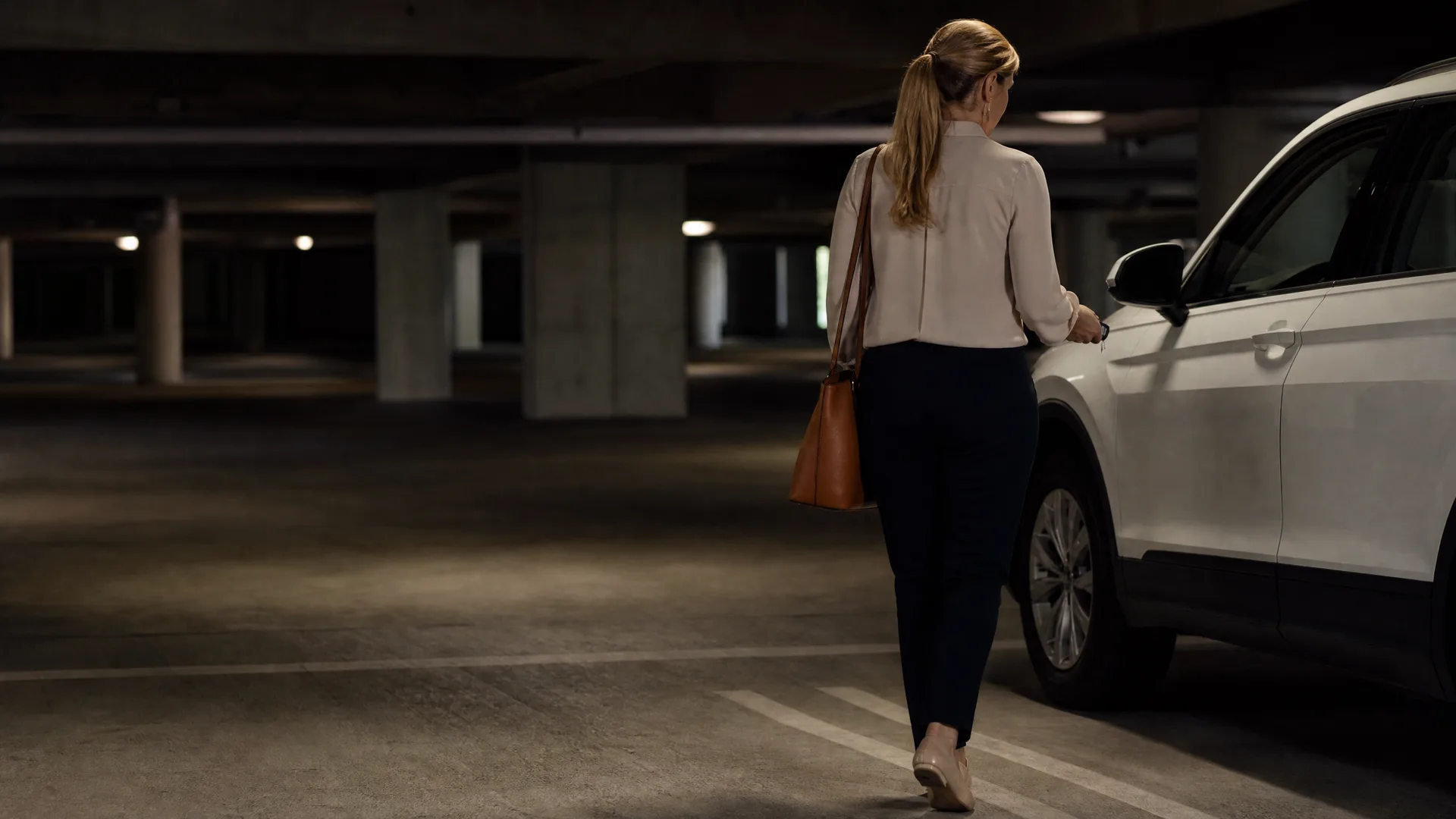
Your vehicle may have been impounded during the suspension and sold to cover towing fees. You may have sold it yourself to avoid insurance costs. You may never have owned the car you were driving when stopped. In all three cases, buying a standard auto policy makes no sense. Non-owner SR-22 covers you as a driver in any borrowed, rented, or employer-provided vehicle while satisfying the state's SR-22 filing mandate.
Typically costs $25 to $50 per month for minimum liability limits plus a one-time SR-22 filing fee of $15 to $50, depending on the carrier and state. That's 40% to 60% cheaper than insuring a vehicle you don't drive. The filing goes to your state DMV electronically within 24 to 48 hours of policy purchase.
When the Non-Owner Policy Must Convert to Standard Auto
Non-owner SR-22 coverage ends the moment you register a vehicle in your name. Most states tie insurance verification directly to vehicle registration. When you title or register a car, the DMV expects an active auto insurance policy naming that specific vehicle. A non-owner policy does not satisfy that requirement because it covers you as a driver, not a specific VIN.
If you buy a car three months into a two-year SR-22 filing period, you must cancel the non-owner policy and purchase a standard auto policy with SR-22 endorsement attached. The new policy must list the vehicle you now own. Your carrier will file an SR-26 (cancellation form) for the non-owner policy and a new SR-22 for the owner policy. Both actions happen electronically. The state sees a brief gap between the SR-26 and the replacement SR-22—typically under 24 hours—but that gap can trigger a lapse alert in states with real-time verification systems.
To avoid triggering a lapse alert: purchase the new auto policy with SR-22 endorsement before registering the vehicle. Confirm the new SR-22 filing has been transmitted to the DMV. Only then cancel the non-owner policy. This sequence keeps continuous coverage visible to the state throughout the ownership transition.
What Happens If You Drive a Car You Own on a Non-Owner Policy
Non-owner policies explicitly exclude vehicles titled, registered, leased, or regularly available to the named insured. If you're in an at-fault accident while driving a car you own, the non-owner policy will deny the claim. You're now uninsured again—the exact violation that triggered your original suspension.
The state will detect the new lapse when the at-fault accident report reaches the DMV or when the other driver's carrier files a claim and discovers no valid coverage. Your SR-22 filing resets. Your license suspends again. Many states restart the SR-22 filing clock from zero if you re-lapse during the mandated filing period. A two-year requirement becomes four years if you lapse 18 months in.
Some drivers assume they can keep the cheaper non-owner policy and simply avoid listing the vehicle. Registration databases and insurance filing systems cross-reference automatically in most states. California, Texas, Florida, New York, and Illinois all run continuous insurance verification programs that flag mismatches between registered vehicles and active policies within 30 to 90 days.
How Borrowed and Rental Vehicles Work Under Non-Owner Coverage
Non-owner SR-22 provides secondary liability coverage when you borrow a friend's car or rent a vehicle. The vehicle owner's insurance pays first. Your non-owner policy covers the gap if the owner's limits are exhausted or if the owner has no coverage.
This structure works for occasional use—borrowing a car twice a month for errands, renting a truck for a weekend move. It does not work for regular use of the same vehicle. If you borrow the same car three or more times per week, most carriers consider that vehicle "regularly available" and will deny coverage under the non-owner policy exclusion.
Rental car companies accept non-owner insurance as proof of coverage, but you still need to decline their liability coverage at the counter and confirm your non-owner policy covers rentals. Some non-owner policies exclude rental vehicles entirely. Read the declarations page before assuming rental coverage applies.

Fix the Lapse That Cost You Your License
Get My Reinstatement SR-22 Quote
State-Specific SR-22 Filing Duration on Non-Owner Policies
SR-22 filing duration after an uninsured-driving suspension varies by state. California typically requires three years from the reinstatement date. Florida requires three years for most drivers but extends to five years for repeat offenses. Texas requires two years if the suspension was first-offense uninsured driving, three years for accidents while uninsured. Illinois requires three years. New York requires three years under most uninsured-suspension scenarios.
The filing period starts when your license is reinstated, not when you purchase the policy. If you buy a non-owner SR-22 policy six months before your reinstatement hearing, the state's filing clock doesn't start until the hearing is approved and your license is returned. The carrier will continue filing SR-22 forms quarterly or annually during that waiting period, but the mandated duration begins at reinstatement.
Re-lapsing during the filing period resets the clock in most states. If you're 18 months into a three-year requirement and your non-owner policy lapses for non-payment, the state receives an SR-26 cancellation notice. Your license suspends again. When you reinstate a second time, the three-year clock restarts from zero. Verify current requirements with your state DMV, as filing rules vary by violation type and state statute.

Cost Breakdown: Non-Owner SR-22 vs. Standard Auto SR-22
Non-owner SR-22 policies cost significantly less than standard auto policies because they carry no collision, comprehensive, or vehicle-specific risk. Typical monthly premium: $25 to $50 for state minimum liability limits in most states. Add the one-time SR-22 filing fee of $15 to $50. Total first-month cost: $40 to $100. Over a three-year filing period, expect to pay $900 to $1,800 in premiums plus the single filing fee.
Standard auto SR-22 policies for high-risk drivers average $140 to $250 per month, depending on the vehicle, your age, and your state. Over the same three-year period, that's $5,040 to $9,000 in premiums. If you don't own a car and don't plan to buy one during your SR-22 filing period, non-owner coverage saves $4,000 to $7,000.
Some states impose separate reinstatement fees on top of the SR-22 requirement. Florida charges a $150 to $500 reinstatement fee depending on the violation. California charges $55. Texas charges $100. These fees are paid to the DMV, not the insurance carrier, and apply whether you buy non-owner or standard auto coverage.
What to Do Right Now
If your license is suspended for uninsured driving and you don't currently own a vehicle, request non-owner SR-22 quotes from carriers licensed in your state. Confirm the policy includes SR-22 endorsement filing as part of the purchase. Confirm the carrier will transmit the SR-22 electronically to your state DMV within 24 to 48 hours.
Pay the first month's premium and the SR-22 filing fee. Set up automatic payment to avoid accidental lapses. A single missed payment triggers an SR-26 cancellation notice to the state, and your license suspends again. Most carriers offer email or text alerts 10 days before the due date.
If you plan to buy a vehicle during your SR-22 filing period, contact your carrier before registering the car. Purchase a standard auto policy with SR-22 endorsement attached to the new vehicle. Confirm the new SR-22 has been filed with the state. Only then cancel the non-owner policy. This sequence prevents the lapse gap that resets your filing clock.
Frequently Asked Questions
Can I buy a non-owner SR-22 policy if I plan to buy a car in six months?
Yes. Purchase the non-owner policy now to satisfy your SR-22 filing requirement and reinstate your license. When you buy the car, switch to a standard auto policy with SR-22 endorsement before registering the vehicle. The new policy continues your SR-22 filing without interruption.
Does non-owner SR-22 insurance cover me if I borrow my spouse's car daily?
No. Most non-owner policies exclude vehicles owned by household members or vehicles you use regularly. Daily use of your spouse's car makes that vehicle "regularly available," which triggers the exclusion. You need to be added as a named driver on your spouse's standard auto policy instead.
What happens to my SR-22 filing if I move to a different state during the filing period?
Your SR-22 filing requirement follows you to the new state in most cases. Contact your carrier to confirm they're licensed in the new state and can file SR-22 there. If not, you'll need to purchase a new policy from a carrier licensed in the new state and request SR-22 filing there. Confirm the new filing is active before canceling the old policy.
Can I get non-owner SR-22 insurance if my license is still suspended?
Yes. You can purchase a non-owner SR-22 policy while your license is suspended. The carrier files the SR-22 with the state immediately, which is often required before the DMV will process your reinstatement application. The policy remains active during the suspension period.
Will my non-owner SR-22 premium go down after the first year?
Premiums may decrease slightly after 12 months of continuous coverage with no claims or lapses, but the reduction is typically small—$5 to $15 per month. The high-risk SR-22 designation keeps rates elevated throughout the filing period. Expect meaningful rate relief only after the SR-22 requirement ends and your driving record ages.
Does a non-owner SR-22 policy cover damage to the car I'm driving?
No. Non-owner policies provide liability coverage only—bodily injury and property damage to others. They do not cover collision or comprehensive damage to the vehicle you're driving. If you damage a borrowed car, the owner's collision coverage applies first, or the repair cost falls to you personally.
Related Articles
Non-Owner SR-22 After Uninsured Suspension Guide
5/17/2026

Non-Owner SR-22 Cost After Uninsured Suspension
5/17/2026

Non-Owner SR-22 for Drivers Who Never Owned a Car
5/17/2026
Non-Owner vs Standard SR-22 Cost After Uninsured Ban
5/17/2026
Reinstate With No Car: Non-Owner SR-22 After Suspension
5/17/2026
Non-Owner SR-22 After Selling Your Car | No Vehicle Required
5/17/2026