
How Long After a South Dakota Insurance Lapse Until Reinstatement
Get My Reinstatement SR-22 QuoteSouth Dakota's Electronic Insurance Verification System Flags Lapses Immediately
South Dakota operates an electronic insurance verification system under SDCL 32-35 that requires all carriers to report policy cancellations and new policies directly to the state. When your carrier cancels your policy for non-payment or you drop coverage, the SD Division of Motor Vehicles receives that notification within days.
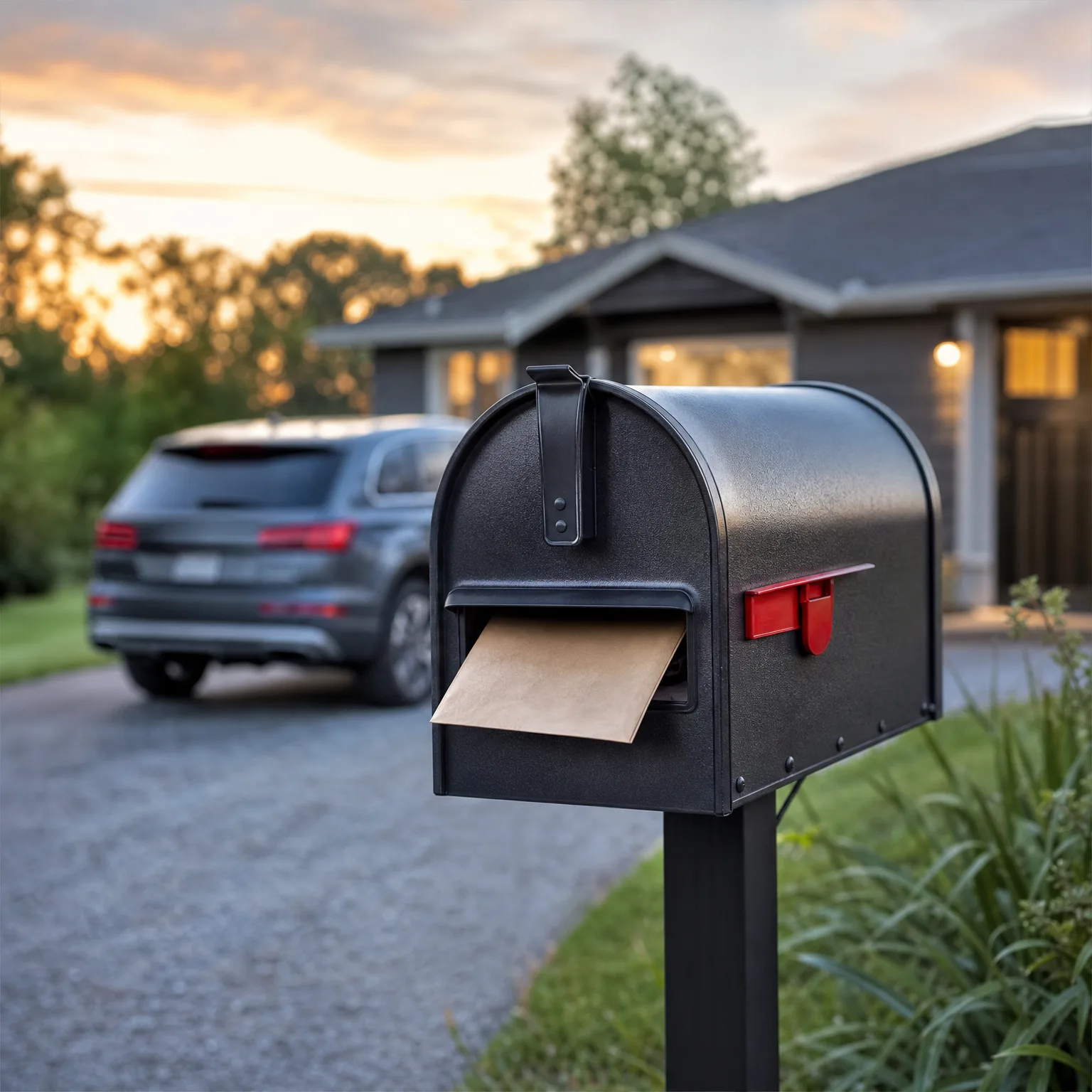
The state does not wait for you to be pulled over. Once the lapse is flagged, SD DPS mails a warning letter to your last known address. That letter gives you a defined response window to either prove continuous coverage or surrender your plates and registration. If you ignore the letter or miss the deadline, the state initiates vehicle registration suspension and potential license sanctions.
This means the clock starts ticking the moment your carrier reports the cancellation. You may not realize your coverage lapsed—especially if you thought a payment processed—but the state already knows.
What Happens If You Don't Respond to the Warning Letter
If you do not respond to the SD DPS warning letter within the specified timeframe, the state will suspend your vehicle registration. Operating a vehicle with suspended registration is a separate misdemeanor offense under SDCL 32-35-113, and you risk additional fines, impoundment, and further license sanctions if stopped.
Once registration is suspended, you cannot reinstate until you provide proof of insurance and pay a $50 reinstatement fee to the SD Division of Motor Vehicles. The state also requires SR-22 filing for drivers suspended due to insurance lapses. That filing must remain active for the duration specified by the state—typically three years.
Ignoring the warning letter does not make the suspension go away. It compounds the problem. Responding immediately with proof of new coverage or surrendering plates if you no longer drive can prevent the suspension from being recorded on your driving record.


Can You Get a Restricted License After an Insurance-Lapse Suspension in South Dakota
South Dakota offers a court-administered restricted license program, but it is not available to all drivers suspended for insurance lapses. The state's restricted license is granted by a circuit court petition, not by the SD DMV, and the court has discretion to approve or deny based on demonstrated essential need.
If your suspension stems solely from an insurance lapse and you have no other violations, the court may consider your petition favorably—especially if you can document employment or medical necessity. However, if the lapse occurred in connection with an uninsured accident or if you have prior violations, eligibility becomes less certain.
Even if granted, a restricted license requires you to carry SR-22 insurance throughout the restriction period. The court defines the specific hours and routes you may drive, and violating those terms results in immediate revocation. Most drivers suspended for insurance lapses find it faster and simpler to reinstate fully rather than navigate the court petition process for limited driving privileges.
Reinstatement Steps: What You Must Do to Get Your License Back
To reinstate your license after an insurance-lapse suspension in South Dakota, you must complete the following steps in order. First, obtain SR-22 insurance from a licensed carrier authorized to write high-risk coverage in South Dakota. The carrier files the SR-22 certificate electronically with the SD Division of Motor Vehicles on your behalf.
Second, pay the $50 reinstatement fee to the SD DPS. This fee is separate from any ticket or fine you may have received for driving uninsured. Some drivers mistakenly believe paying the ticket satisfies the reinstatement requirement—it does not.
Third, if you were required to surrender your plates, you must re-register your vehicle. This involves paying registration fees and providing proof of insurance at the time of registration. If your registration was suspended but plates were not surrendered, you must still confirm with SD DPS that registration is active before driving.
Once all fees are paid, SR-22 is filed, and registration is confirmed active, SD DPS lifts the suspension. Processing time is typically immediate for electronic SR-22 filings, but you should confirm reinstatement status with SD DPS before driving. Driving before the suspension is officially lifted adds new violations to your record.

Fix the Lapse That Cost You Your License
Get My Reinstatement SR-22 Quote
How Long You Must Maintain SR-22 After an Insurance Lapse in South Dakota
South Dakota requires SR-22 filing for three years following an insurance-lapse suspension. The filing period begins the day your carrier submits the SR-22 certificate to SD DPS, not the day your license is reinstated. If you let your policy lapse again during the three-year filing period, your carrier notifies the state immediately and your license is re-suspended.
Re-lapsing during the SR-22 filing period restarts the three-year clock in most cases. South Dakota's electronic verification system catches lapses just as quickly the second time. You will face a new suspension, a new reinstatement fee, and an extended SR-22 filing requirement.
Many drivers try to save money by purchasing minimum liability coverage and letting the policy lapse after a few months. This is a mistake. The cost of a second suspension—lost income from inability to drive, additional reinstatement fees, and another SR-22 filing cycle—far exceeds the cost of maintaining continuous coverage for the full three years.

Non-Owner SR-22 If You No Longer Own a Vehicle
If your vehicle was impounded, sold, or you never owned one, you can satisfy South Dakota's SR-22 requirement with a non-owner SR-22 policy. This policy provides liability coverage when you drive a vehicle you do not own—borrowed cars, rental cars, or employer vehicles.
Non-owner SR-22 costs less than standard SR-22 because it does not cover a specific vehicle. Monthly premiums typically range from $30 to $60 depending on your driving record and carrier. The SR-22 filing itself adds a one-time fee of $15 to $50, depending on the carrier.
Non-owner SR-22 keeps you legally compliant with South Dakota's SR-22 filing requirement even if you do not currently drive. This is critical if you plan to move to a different state or re-register a vehicle later. Letting the SR-22 lapse—even if you are not driving—triggers immediate re-suspension and resets the three-year filing clock.
What to Do Right Now If You Just Received a Suspension Notice
If you received a suspension notice from SD DPS today, your first action is to obtain SR-22 insurance immediately. Do not wait to see if the suspension can be reversed or delayed—it cannot. The suspension is already in effect or will be within days.
Contact a carrier licensed to write high-risk auto insurance in South Dakota. Carriers that write SR-22 policies in South Dakota include Geico, Progressive, The General, Dairyland, and Bristol West. Request SR-22 filing at the time you purchase the policy. The carrier will file the SR-22 certificate electronically with SD DPS, usually within 24 hours.
Once the SR-22 is filed, pay the $50 reinstatement fee to SD DPS. Confirm with SD DPS that your suspension has been lifted before driving. If you were required to surrender plates, re-register your vehicle at the county treasurer's office before operating it. Driving before reinstatement is confirmed adds a new misdemeanor charge to your record and extends your suspension.
Frequently Asked Questions
How long does South Dakota take to process reinstatement after SR-22 is filed?
South Dakota processes electronic SR-22 filings immediately in most cases. Once your carrier submits the SR-22 certificate to SD DPS and you pay the $50 reinstatement fee, the suspension is typically lifted within 24 hours. You should confirm reinstatement status with SD DPS before driving.
What happens if I move to another state during my South Dakota SR-22 filing period?
If you move to another state during your three-year SR-22 filing period, you must transfer your SR-22 requirement to your new state. Contact a carrier licensed in the new state and request SR-22 filing there. Letting the South Dakota SR-22 lapse because you moved does not satisfy the filing requirement and triggers re-suspension.
Can I drive in South Dakota while my registration is suspended but my license is valid?
No. Operating a vehicle with suspended registration is a misdemeanor under SDCL 32-35-113, even if your driver's license itself is valid. You must re-register the vehicle and confirm registration is active before driving. Driving with suspended registration adds fines, potential impoundment, and additional license sanctions.
Does South Dakota require proof of continuous coverage when I reinstate, or just SR-22?
South Dakota requires SR-22 filing at the time of reinstatement, but the state does not require you to prove continuous coverage retroactively. The SR-22 certificate is sufficient. However, if you were cited for driving uninsured, you may face separate fines and court proceedings unrelated to the DMV reinstatement process.
What if I let my SR-22 policy lapse two years into the three-year filing period?
If your SR-22 policy lapses at any point during the three-year filing period, your carrier notifies SD DPS immediately and your license is re-suspended. You must obtain new SR-22 coverage, pay another $50 reinstatement fee, and restart the three-year filing clock in most cases. South Dakota's electronic verification system catches lapses just as quickly the second time.
Can I buy SR-22 insurance online and have it filed the same day?
Yes. Most carriers licensed to write SR-22 in South Dakota offer online quotes and same-day SR-22 filing. Carriers like Geico, Progressive, and The General can bind coverage online and file the SR-22 certificate electronically with SD DPS within 24 hours. You will receive a copy of the SR-22 form for your records.
Related Articles
SD Uninsured Suspension: SR-22 Filing & Reinstatement
5/17/2026

Non-Owner SR-22 in SD After Uninsured Suspension
5/17/2026

Reinstate North Dakota License After Insurance Lapse
5/17/2026

ND Uninsured Suspension SR-22 Filing and Reinstatement
5/17/2026
South Dakota Uninsured Suspension Reinstatement Guide
5/17/2026

SC License Reinstatement After Insurance Lapse
5/17/2026