
NY Civil Penalty After Uninsured Suspension: $750 + $50 + SR-22
Get My Reinstatement SR-22 QuoteWhat New York charges after an uninsured suspension: three separate fees
New York imposes three mandatory fees after an insurance lapse suspension. The first is the civil penalty under Vehicle & Traffic Law §319: $750 for a first lapse (up to 90 days), $1,500 for a second lapse within 36 months. This is not the traffic ticket fine—it's a separate state-imposed penalty for driving or registering a vehicle without continuous coverage.
The second fee is the $8/day penalty for each day your vehicle remained uninsured after the lapse was detected, capped at $900 total. This penalty accrues automatically once the DMV receives notification from your carrier through the Insurance Information & Enforcement System (IIES). If you failed to surrender your license plates after the policy lapsed, the $8/day penalty continues to accumulate until you either reinstate coverage or surrender the plates.
The third fee is the $50 suspension termination fee, paid directly to the DMV when you apply for reinstatement. This fee is separate from the civil penalties and must be paid even if you've already settled the $750 lapse penalty and the $8/day accrual. Most drivers discover this fee only after assembling all other documentation, which delays reinstatement by another trip to the DMV or additional processing time if paying online.
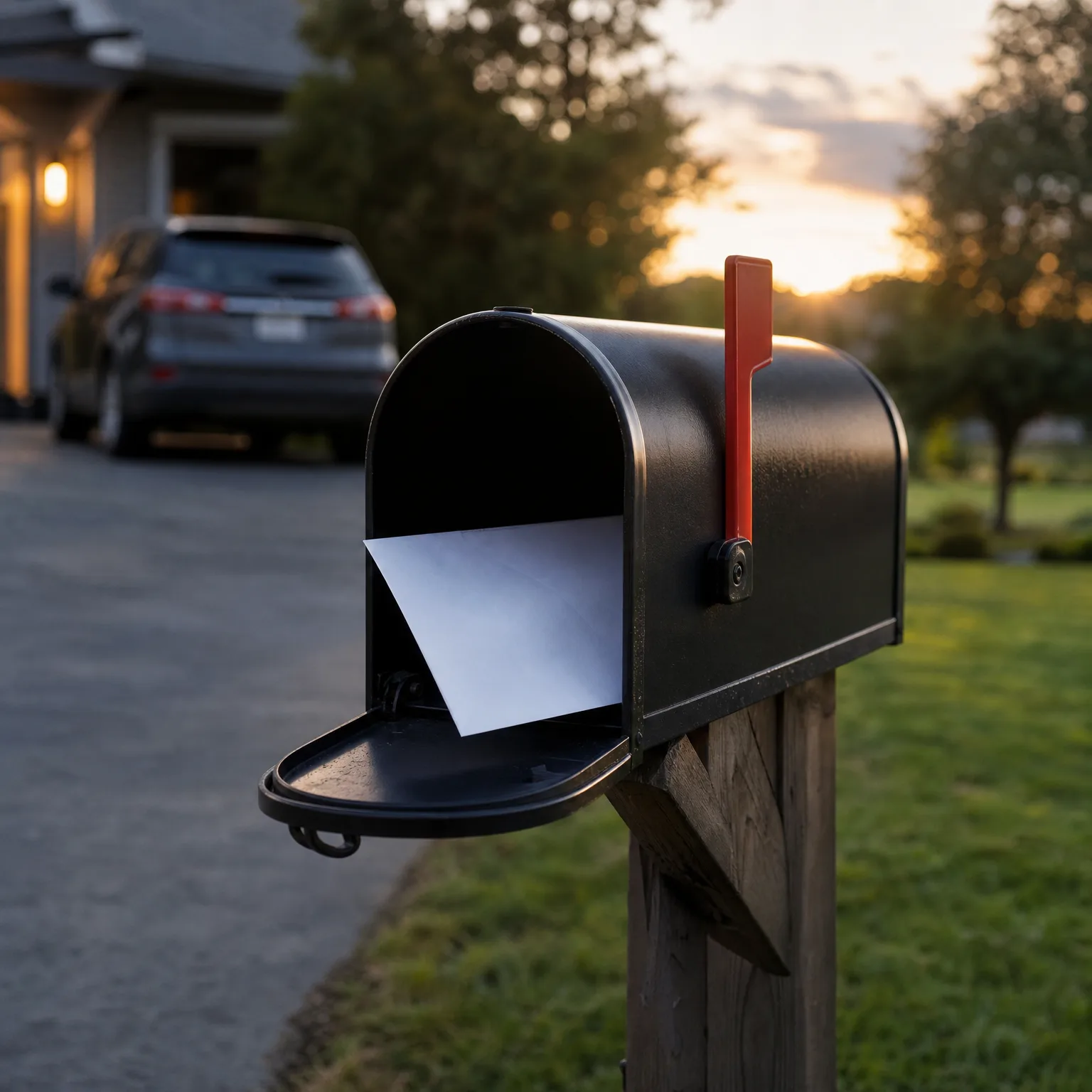
How New York verifies insurance without SR-22 filings
New York does not use SR-22 certificates. Instead, the state operates the Insurance Information & Enforcement System (IIES), a direct electronic reporting framework under Vehicle & Traffic Law §313 and §315. Every carrier admitted to write auto insurance in New York must report policy issuance, cancellations, and lapses to the DMV in real time.
When your carrier cancels or terminates your policy, they notify the DMV electronically. The DMV processes this notification and issues a suspension notice to both your driver license and vehicle registration. There is no grace period once the carrier reports the lapse—the suspension is effective on the date the carrier specifies as the cancellation date, not the date you receive the DMV letter.
Reinstatement requires proof of new coverage, but you cannot submit an SR-22 form because New York doesn't recognize one. Instead, your new carrier reports your policy issuance directly to the DMV through the same IIES system. The DMV verifies coverage electronically, confirming your policy meets New York's minimum liability requirements: $25,000 bodily injury per person, $50,000 bodily injury per accident, $10,000 property damage, plus mandatory Personal Injury Protection (PIP) and Uninsured Motorist coverage. Only after the DMV confirms coverage through IIES can you pay the reinstatement fees and have your suspension lifted.


Restricted Use License eligibility after an uninsured suspension in New York
New York offers a Restricted Use License (RUL) for drivers whose license is suspended, including those suspended for insurance lapses. The RUL is not automatic—you must apply through the DMV and pay a $25 application fee. Eligibility is at the DMV's discretion, and the agency reviews your prior suspension history, the severity of the current suspension, and whether you've resolved underlying issues like unpaid fines or outstanding tickets.
To apply, you submit an MV-500 series application form, proof of employment or another necessity for driving (school enrollment, medical treatment documentation), and proof of current insurance. The DMV verifies your insurance directly through the IIES system, so your carrier must already have reported your policy before you submit the RUL application. Processing time is not published by the DMV and varies significantly by regional office—some drivers report approval within two weeks, others wait six weeks or longer.
If approved, your RUL restricts driving to specific purposes: travel to and from work, school, medical appointments, and other court- or DMV-approved essential activities. You cannot use the RUL for general-purpose driving, errands unrelated to approved categories, or recreational trips. Violating the restriction terms triggers automatic revocation of the RUL and extends your underlying suspension. Leandra's Law (Vehicle & Traffic Law §1198) mandates ignition interlock installation for all DWI convictions, including as a condition of any RUL during the interlock period—this does not typically apply to insurance-lapse-only suspensions unless you also have a DWI on your record.

Fix the Lapse That Cost You Your License
Get My Reinstatement SR-22 QuoteNon-owner SR-22 equivalents for drivers without a vehicle in New York
If your vehicle was impounded, sold, or you never owned one, you cannot satisfy New York's insurance verification requirement with a non-owner policy alone during the suspension period. The DMV suspends both your driver license and your vehicle registration simultaneously under Vehicle & Traffic Law §319. Even if you don't own a vehicle, the DMV requires proof of coverage that meets the state's minimum liability limits before lifting the license suspension.
Non-owner policies are available in New York and function as liability-only coverage for drivers who occasionally use borrowed or rented vehicles. Carriers writing non-owner policies in New York include GEICO, Progressive, National General, and State Farm. These policies satisfy the DMV's coverage verification requirement, but they do not reinstate your vehicle registration—if you later acquire a vehicle, you must obtain a standard auto policy naming that vehicle and file a new registration application with proof of coverage.
Non-owner premiums in New York after an insurance lapse suspension typically range from $90 to $180/month, depending on your ZIP code, age, and how long the lapse lasted. Estimates based on available industry data; individual rates vary by driving history, coverage selections, and location. The carrier reports your non-owner policy to the DMV through the IIES system just as they would for a standard policy, which satisfies the reinstatement coverage requirement. You still owe the $750 civil penalty, the $8/day accrual (capped at $900), and the $50 termination fee before the DMV processes reinstatement.
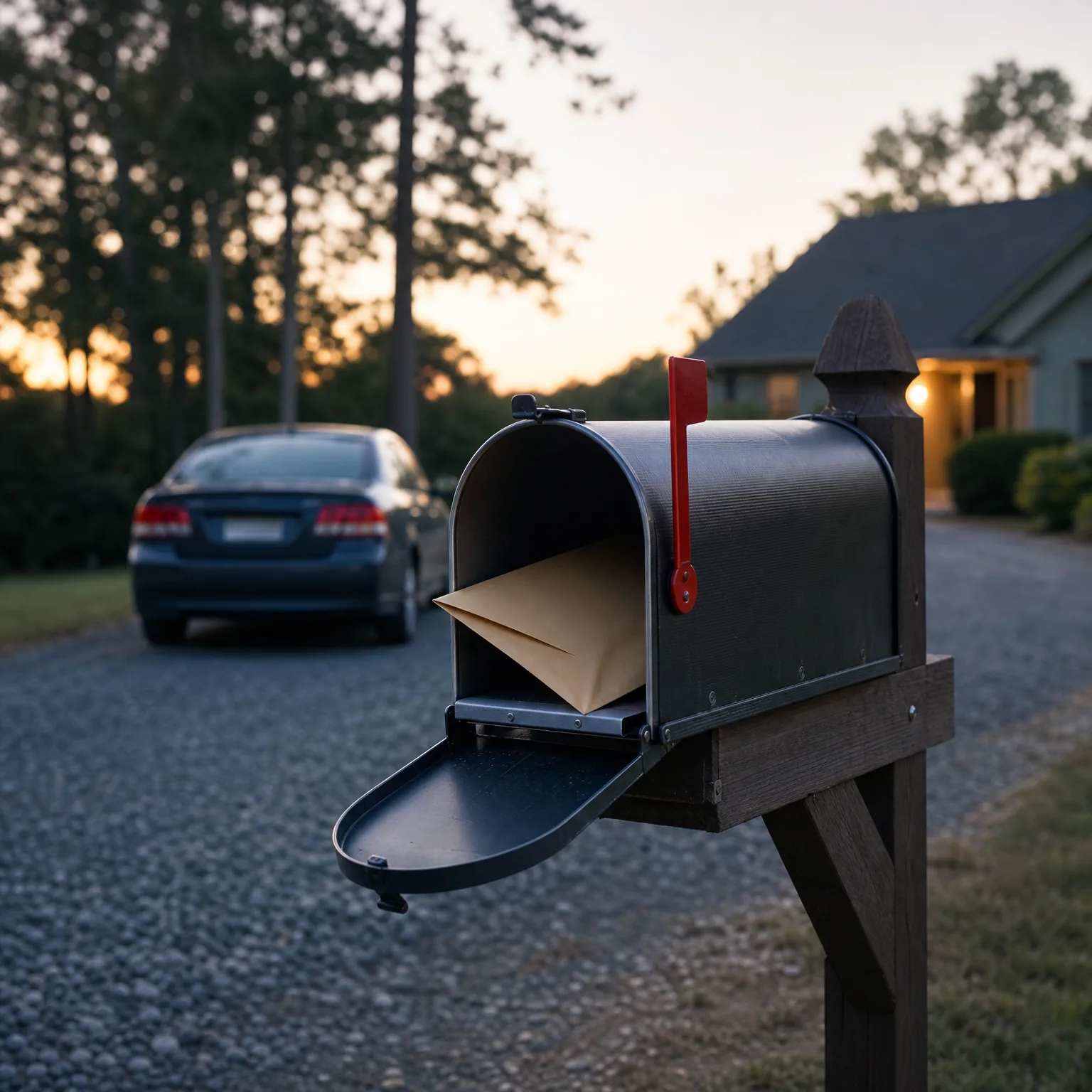
What happens if your policy lapses again during the post-reinstatement period
New York does not impose a formal SR-22 filing period after an insurance lapse suspension, but the IIES system continues to monitor your coverage status indefinitely. If your policy lapses again within 36 months of the first lapse, the DMV treats it as a second offense and imposes a $1,500 civil penalty instead of $750. The $8/day penalty resets and begins accruing again from the new lapse date.
A second lapse within 36 months also disqualifies you from Restricted Use License eligibility in most cases. The DMV has broad administrative discretion to deny RUL applications based on prior suspension history, and two lapses within three years signals to the agency that you are not maintaining continuous coverage as required by law. If your RUL was active when the second lapse occurred, the DMV revokes the RUL immediately and you lose all driving privileges until you reinstate under the full suspension.
Carriers in New York are required to notify the DMV of cancellations at least 10 days before the effective cancellation date under Insurance Law §3425. This gives you a brief window to find replacement coverage and avoid a gap, but the carrier is not obligated to extend coverage beyond the cancellation date if you haven't paid your premium or if they've canceled for underwriting reasons. Monitor your policy renewal dates closely and set up automatic payments if your carrier offers them—missed payments are the most common cause of unintentional lapses.

Total cost to reinstate after an uninsured suspension in New York
Add the $750 first-offense civil penalty, the $8/day penalty (assume the full $900 cap if you didn't surrender plates immediately), and the $50 suspension termination fee. The total state-imposed cost before insurance premiums is $1,700. If you were cited for uninsured operation at a traffic stop, add the ticket fine, which varies by jurisdiction but typically ranges from $150 to $400 for a first offense.
Insurance premiums after reinstatement depend on whether you own a vehicle and which carrier accepts your application. Standard policies in New York after a lapse suspension typically cost $140 to $250/month for liability-only coverage. Non-owner policies range from $90 to $180/month. Multiply the monthly premium by 12 to estimate your first-year insurance cost, then add the $1,700 in state fees and any traffic ticket fines. Total first-year cost commonly falls between $2,500 and $4,500, depending on your vehicle, ZIP code, and chosen coverage level.
Payment plans are not available for the civil penalties or the suspension termination fee—you must pay these in full before the DMV processes reinstatement. Some carriers offer monthly payment plans for premiums, which spreads the insurance cost across the year but does not reduce the total amount owed.
Frequently Asked Questions
Can I get a Restricted Use License in New York if my license was suspended for no insurance?
Yes, New York allows Restricted Use License applications for insurance-lapse suspensions, but approval is at the DMV's discretion. You must prove current insurance, pay the $25 application fee, and document employment or another necessity for driving. Processing time varies by regional office and can take two to six weeks.
Does New York require SR-22 filing after an uninsured suspension?
No, New York does not use SR-22 certificates. The state operates the Insurance Information & Enforcement System (IIES), where carriers report your coverage directly to the DMV electronically. You must obtain a new policy that meets New York's minimum liability limits, and your carrier will file proof of coverage through IIES automatically.
How long does the $8 per day penalty continue in New York after an insurance lapse?
The $8/day penalty accrues from the date your policy lapsed until you either reinstate coverage or surrender your license plates to the DMV. The penalty is capped at $900 total (approximately 112 days). If you don't surrender plates and don't reinstate, the penalty stops accruing at the $900 cap but you still owe the full amount.
What happens if I move to another state while my New York license is suspended for no insurance?
New York reports your suspension to the National Driver Register, which most states check when you apply for a new license. You cannot obtain a valid license in another state until you resolve the New York suspension by paying all fees and proving insurance coverage. Moving does not erase the suspension.
Can I use a non-owner insurance policy to satisfy New York's reinstatement requirement?
Yes, non-owner policies meet New York's minimum liability requirements and satisfy the DMV's coverage verification through the IIES system. This option works if you sold your vehicle, had it impounded, or never owned one. Non-owner premiums after a lapse suspension typically range from $90 to $180/month depending on your ZIP code and driving history.
Does New York's $750 civil penalty apply even if I reinstated insurance the same day my policy lapsed?
Yes, the $750 civil penalty under Vehicle & Traffic Law §319 applies to any insurance lapse, even if coverage was restored immediately. The penalty is triggered by the lapse itself, not the duration. You may avoid the $8/day penalty if you reinstate quickly, but the $750 first-offense penalty is mandatory.
Related Articles

NY Insurance Lapse Suspension: Civil Penalty Per Day
5/17/2026

NY Accident Uninsured: Liability Stack & Reinstatement
5/17/2026
Non-Owner SR-22 in NY After Uninsured Suspension
5/17/2026

Repeat Uninsured Suspension NY: Civil Penalty Rules
5/17/2026

NY First-Offense Uninsured Suspension: FS-6 Explained
5/17/2026

NY FS-6 Suspension Cost: Civil Penalty Stack Explained
5/17/2026