
Pennsylvania Insurance Lapse Suspension: Restoration Fee Plus SR-22
Get My Reinstatement SR-22 QuoteWhy Pennsylvania Suspends License and Registration Separately for Insurance Lapses
Under 75 Pa. C.S. § 1786, Pennsylvania suspends both your driver's license and your vehicle registration when your insurance carrier reports a policy cancellation or non-renewal to PennDOT. The suspension targets both documents because the state considers the vehicle uninsured, not just the driver.
PennDOT receives cancellation notices electronically from carriers through the Financial Responsibility Reporting system. When a carrier files a cancellation, PennDOT sends you a notice giving approximately 31 days to provide proof of substitute coverage or surrender your plates. If you take no action within that window, both suspensions become effective.
The dual suspension structure means you face two separate restoration fees at reinstatement: $50 to restore your license, $50 to restore your registration. Most drivers budget for one fee and discover the second only when applying for reinstatement online or at a Driver License Center.

What You Owe to Restore Driving Privileges After a Lapse
Pennsylvania reinstatement after an insurance lapse requires three financial obligations: the original uninsured motorist citation fine (if you were stopped), a $50 license restoration fee, and a $50 registration restoration fee. The citation fine varies by county and ranges from $300 to $500 for a first offense.
You must also obtain SR-22 financial responsibility certification from a licensed carrier. SR-22 is required for three years following reinstatement under § 1786. The SR-22 filing fee itself typically runs $25 to $50, but the premium increase for high-risk classification averages $90 to $150 per month in Pennsylvania.
Total cost over the three-year filing period typically reaches $3,500 to $5,800 when you combine the citation fine, both restoration fees, filing costs, and elevated premiums. If your vehicle was impounded during the suspension, add towing and storage fees.

Pennsylvania Does Not Offer Hardship Licenses for Uninsured Suspensions
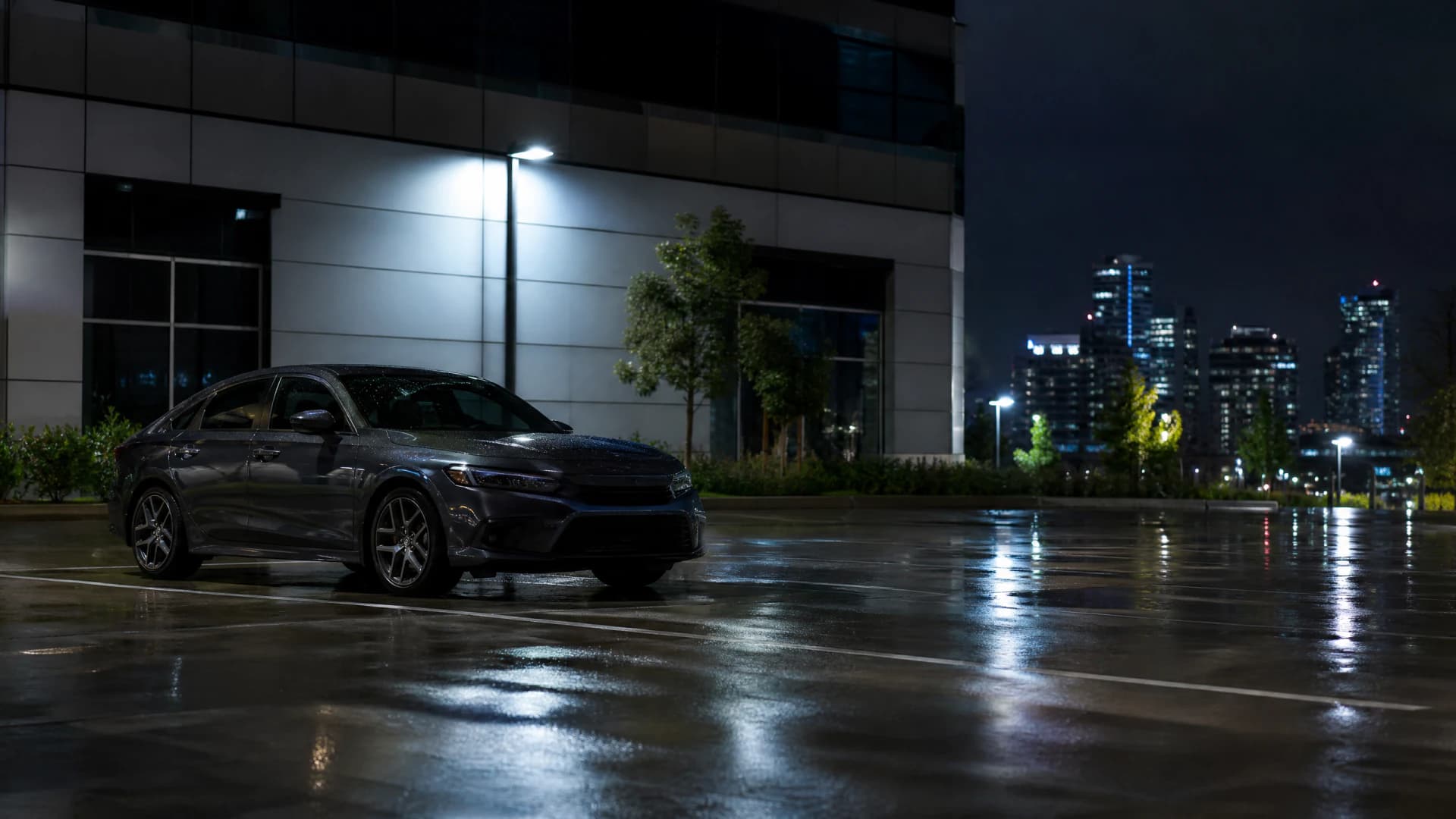
Pennsylvania's Occupational Limited License (OLL) program under 75 Pa.C.S. § 1553 is not available to drivers suspended for insurance lapses. The OLL is court-issued and restricted to DUI offenders who have completed their mandatory hard suspension period. Drivers suspended under § 1786 for uninsured driving have no hardship driving remedy.
The Ignition Interlock Limited License (IILL) program administered by PennDOT is also DUI-specific and does not apply to insurance-lapse suspensions. If you were suspended solely for driving uninsured, you cannot drive legally until full reinstatement is complete.
This differs sharply from neighboring states. Ohio and Maryland both allow work permits for uninsured-cause suspensions. Pennsylvania requires you to resolve the suspension, pay all fees, file SR-22, and wait for PennDOT to process reinstatement before you can drive again.
How to Apply for Reinstatement After an Insurance Lapse Suspension
PennDOT operates an online Driver License Restoration Requirements portal at dmv.pa.gov where you can check your specific restoration obligations, pay fees, and upload SR-22 proof. Most insurance-lapse suspensions qualify for online reinstatement without an in-person visit to a Driver License Center.
Before you begin the online process, obtain SR-22 insurance from a licensed carrier. The carrier files the SR-22 certificate electronically with PennDOT. Once filed, the SR-22 appears in PennDOT's system within 24 to 48 hours. Do not attempt reinstatement until the SR-22 shows as received in the online portal.
After the SR-22 is on file, log into the restoration portal, pay both $50 fees (license and registration separately), and confirm your current insurance policy details. PennDOT typically processes online reinstatements within three to five business days. You will receive confirmation by mail once your license and registration are restored.

Fix the Lapse That Cost You Your License
Get My Reinstatement SR-22 Quote
Non-Owner SR-22 If You No Longer Have a Vehicle
If your vehicle was sold, totaled, or impounded during the suspension and you do not currently own a car, you can satisfy Pennsylvania's SR-22 requirement with a non-owner policy. Non-owner SR-22 provides liability coverage when you drive a borrowed or rented vehicle and meets PennDOT's financial responsibility mandate.
Non-owner premiums typically run $40 to $75 per month in Pennsylvania for drivers with a lapse suspension, significantly less than owner policies. The three-year SR-22 filing requirement applies equally to non-owner policies. If you cancel or allow the policy to lapse before the three-year period ends, PennDOT automatically re-suspends your license.
You can transition from non-owner to owner SR-22 at any time during the filing period without penalty. When you purchase a vehicle, notify your carrier and switch to an owner policy. The filing clock does not reset, you simply continue from where you left off in the three-year window.
What Happens If You Let SR-22 Lapse During the Filing Period
Pennsylvania treats SR-22 cancellation or lapse during the mandatory three-year filing period as a new § 1786 violation. If your carrier cancels your policy or you fail to renew coverage, the carrier notifies PennDOT electronically and your license is automatically re-suspended.
The re-suspension triggers a new $50 license restoration fee and a new $50 registration restoration fee. More critically, the three-year SR-22 filing clock resets entirely. If you were two years into the original filing period and your policy lapses, you now owe three full years from the date you file new SR-22 and reinstate.
PennDOT does not send courtesy reminders before your policy renewal date. Set your own calendar alerts 30 days before renewal. Most carriers will not auto-renew SR-22 policies without explicit confirmation from the policyholder because of the reinstatement consequences.
Real ID Complication for Drivers Whose License Expired During Suspension
If your driver's license expired while suspended and you need to reinstate, PennDOT requires Real ID-compliant identity documents before issuing a new license. This adds an in-person step at a Driver License Center even if your reinstatement otherwise qualifies for online processing.
Real ID requires a certified birth certificate or passport, proof of Social Security number, and two proofs of current Pennsylvania address. If your birth certificate was issued out of state or your name changed due to marriage or divorce, you must provide additional documentation. PennDOT does not waive Real ID compliance for suspended drivers.
Budget additional time if your license expired during suspension. In-person appointments at Driver License Centers currently run two to four weeks out in most counties. You cannot drive legally until both the suspension is lifted AND the new Real ID-compliant license is issued.
Frequently Asked Questions
How much does it cost to reinstate a Pennsylvania license after an insurance lapse suspension?
Pennsylvania charges $50 to restore your driver's license and a separate $50 to restore your vehicle registration, for a total of $100 in restoration fees. You also owe the original uninsured motorist citation fine (typically $300 to $500), SR-22 filing fees, and elevated premiums for three years.
Can I get a work permit in Pennsylvania if my license is suspended for driving uninsured?
No. Pennsylvania's Occupational Limited License (OLL) and Ignition Interlock Limited License (IILL) programs are available only to DUI offenders. Drivers suspended under 75 Pa. C.S. § 1786 for insurance lapses cannot obtain any form of restricted or hardship license.
How long does Pennsylvania require SR-22 filing after an uninsured driving suspension?
Pennsylvania requires SR-22 financial responsibility certification for three years following reinstatement after an insurance lapse suspension. If your SR-22 policy lapses or cancels during that period, the three-year clock resets entirely from the date you file new SR-22 and reinstate.
Can I reinstate my Pennsylvania license online after an insurance lapse suspension?
Yes, most insurance-lapse suspensions qualify for online reinstatement through PennDOT's Driver License Restoration portal at dmv.pa.gov. You must first obtain SR-22 insurance and wait for the carrier to file the certificate electronically with PennDOT, then pay both restoration fees online.
What happens if I drive in Pennsylvania while my license is suspended for no insurance?
Driving on a suspended license in Pennsylvania is a summary offense carrying fines of $200 to $1,000 for a first offense, plus an additional suspension period of six to twelve months. The new suspension runs consecutively after your original insurance-lapse suspension, and you owe separate restoration fees for each.
Do I need to own a car to get SR-22 insurance in Pennsylvania?
No. You can satisfy Pennsylvania's SR-22 requirement with a non-owner policy if you do not currently own a vehicle. Non-owner SR-22 provides liability coverage when you drive borrowed or rented cars and meets PennDOT's financial responsibility mandate for the full three-year filing period.
How long does PennDOT take to process reinstatement after I file SR-22?
PennDOT typically processes online reinstatements within three to five business days after you pay both restoration fees and SR-22 appears in their system. Carriers file SR-22 certificates electronically and they usually show in PennDOT's records within 24 to 48 hours of purchase.
Related Articles
PA Lapse Restoration Cost vs SR-22 Filing States
5/17/2026

Cheapest Insurance After PA Lapse Suspension
5/29/2026
PA License Reinstatement After Insurance Lapse
5/17/2026

PA Financial Responsibility Filing After Lapse
5/17/2026
PA Insurance Lapse Suspension: No Hardship Available
5/17/2026
PA License After Insurance Lapse: Reinstate Step by Step
5/17/2026